

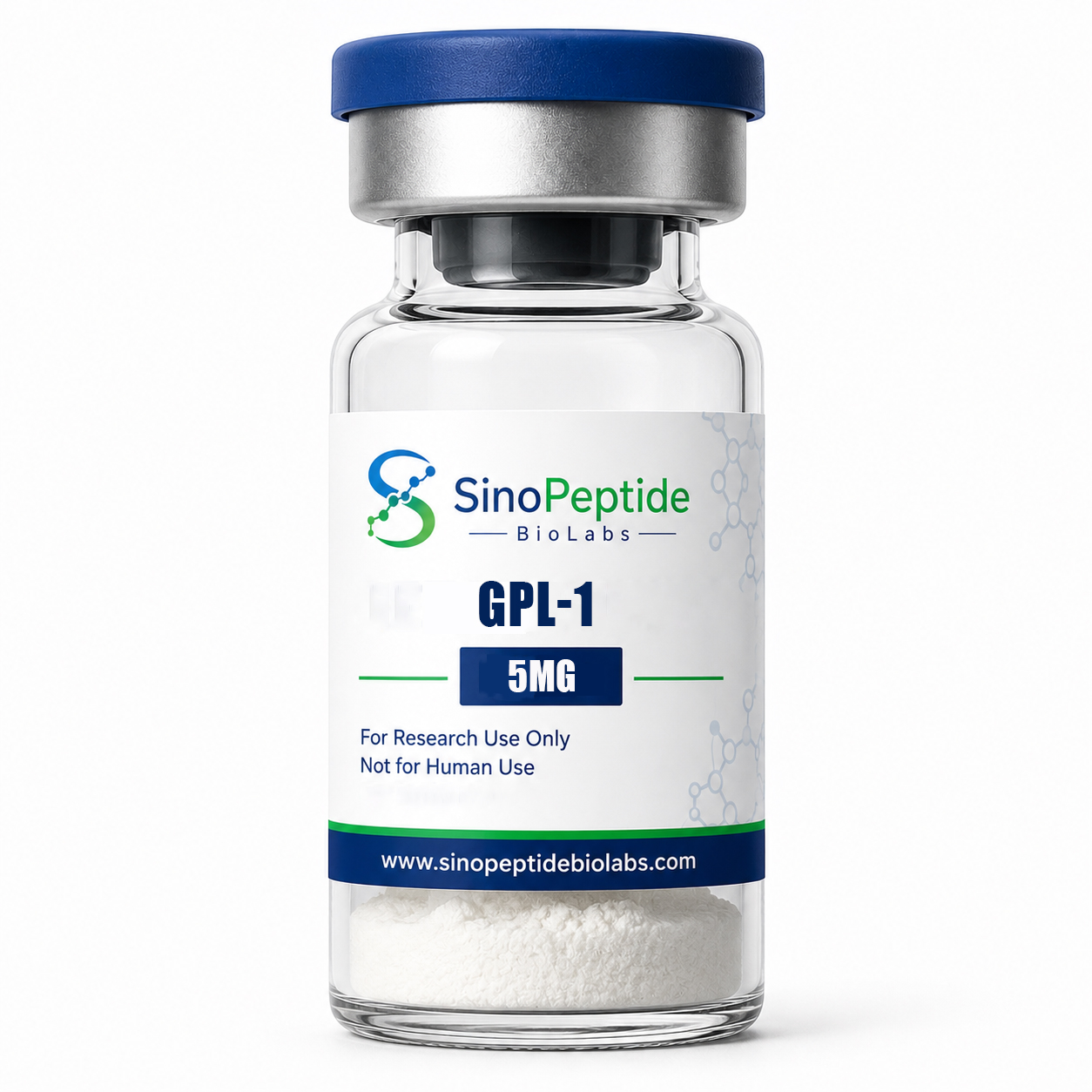
GLP-1 5mg
$90.00
10 Vials/Kits
GLP-1 5mg: Uses, Benefits, Safety, Research and Complete Guide
What Is GLP-1 5mg?
GLP-1 5mg is a search term commonly used for products or preparations associated with glucagon-like peptide-1 (GLP-1) medicines and a stated amount of 5 milligrams. However, it is important to understand that GLP-1 5mg does not identify one single medication.
GLP-1, or glucagon-like peptide-1, is a naturally occurring hormone involved in blood-glucose regulation, appetite, digestion, and energy balance. Modern GLP-1 receptor agonist medicines are designed to activate the GLP-1 receptor and reproduce some of the hormone’s effects.
Several prescription medicines work through the GLP-1 pathway. Examples include semaglutide, liraglutide, and dulaglutide. Tirzepatide also acts on the GLP-1 receptor, although it is technically a dual GIP/GLP-1 receptor agonist rather than a traditional GLP-1-only agonist.
Because different GLP-1 medicines have different formulations, strengths, indications, and dosing schedules, “5mg” should never be treated as a universal GLP-1 dose.
For anyone researching a product marketed as GLP-1 5mg, the active ingredient, formulation, concentration, manufacturer, labeling, and regulatory status should be confirmed before making assumptions about its use.
How Does GLP-1 Work?
GLP-1 is an incretin hormone produced naturally in the body. It plays an important role in the body’s response to food.
GLP-1 receptor agonist medicines act on the same biological pathway. Their effects can include:
- Increasing insulin release when blood glucose is elevated
- Reducing glucagon secretion
- Slowing stomach emptying
- Increasing feelings of fullness
- Reducing appetite
- Supporting blood-glucose control
- Supporting weight management in appropriate patients
These mechanisms help explain why GLP-1 medicines have become important in the treatment of type 2 diabetes and, for certain medications, chronic weight management.
The effects are not identical for every medication. Different GLP-1-related medicines have different molecular structures, approved indications, strengths, and clinical evidence.
GLP-1 5mg and Weight Management
One of the main reasons people search for GLP-1 5mg is its association with weight loss.
GLP-1 receptor agonists can influence appetite and food intake. By promoting satiety and reducing hunger, these medications can make it easier for some patients to maintain a calorie deficit when combined with appropriate nutrition and physical activity.
The National Institute of Diabetes and Digestive and Kidney Diseases notes that prescription weight-management medicines can help some people lose and maintain weight when used together with lifestyle changes.
However, GLP-1 medication should not be presented as a universal weight-loss solution.
Weight-management treatment depends on factors such as:
- Current weight and health status
- Body-mass index and weight-related conditions
- Medical history
- Other medications
- Blood-glucose status
- Potential contraindications
- Individual response
- Tolerability and side effects
NIDDK explains that weight-management medications are generally considered for adults with obesity or adults with overweight accompanied by weight-related health problems, although treatment decisions should be individualized.
GLP-1 5mg for Type 2 Diabetes
GLP-1 receptor agonists are also widely used in the management of type 2 diabetes.
These medicines can improve glucose control through several mechanisms, including glucose-dependent insulin secretion and reduced glucagon activity. Some also slow gastric emptying and reduce appetite.
Importantly, GLP-1 medicines are not substitutes for insulin in people who require insulin therapy. NIDDK specifically notes that GLP-1 medicines are not replacements for insulin.
Certain GLP-1 medicines may also provide benefits beyond blood-glucose management for appropriately selected patients. Depending on the specific medicine and indication, evidence and regulatory approvals may include cardiovascular, kidney, or weight-management benefits.
For example, dulaglutide is approved for improving blood glucose in adults with type 2 diabetes and for reducing certain cardiovascular risks in appropriate patients with type 2 diabetes and cardiovascular disease or risk.
What Does the “5mg” Mean?
This is one of the most important points to clarify when discussing GLP-1 5mg.
The number 5mg does not automatically mean that a person should take 5mg at once.
A product labeled “5mg” may refer to:
- The total amount of active ingredient in a vial or container
- A particular formulation strength
- A compounded preparation
- A research or nonstandard product
- A product-specific concentration when combined with a stated volume
These are not interchangeable concepts.
For injectable products, the amount of drug, liquid volume, and concentration can all be different measurements.
For example, a container might contain a particular total amount of active ingredient while the actual prescribed dose is only a fraction of that amount. This is especially important with compounded products because concentrations can vary.
The FDA has reported dosing errors involving compounded semaglutide, including situations where patients confused milligrams, milliliters, and syringe “units.” Some reported dosing errors resulted in severe adverse effects and hospitalization.
Therefore, a website should never imply that “GLP-1 5mg” automatically equals a standard patient dose.
GLP-1 5mg vs. Semaglutide
Semaglutide is one of the best-known medicines associated with the GLP-1 pathway.
It is available under different brand names and formulations for different medical indications. FDA-approved semaglutide products include Wegovy, Ozempic, and Rybelsus, with specific formulations and approved uses.
The important distinction is:
GLP-1 is the biological pathway/class, while semaglutide is a specific active pharmaceutical ingredient.
Therefore:
GLP-1 5mg should not automatically be described as semaglutide 5mg unless the actual product is confirmed to contain semaglutide at that strength.
This distinction is important for both medical accuracy and SEO credibility.
GLP-1 5mg vs. Tirzepatide
Tirzepatide is another medicine frequently discussed alongside GLP-1 medications.
Unlike traditional GLP-1 receptor agonists, tirzepatide activates both the GIP and GLP-1 receptors. It is therefore often described as a dual GIP/GLP-1 receptor agonist.
Tirzepatide is approved under different brand names for specific indications. For example, the FDA approved Zepbound for chronic weight management in adults with obesity or overweight accompanied by at least one weight-related condition, alongside a reduced-calorie diet and increased physical activity.
Consequently, a product described simply as “GLP-1 5mg” should not automatically be assumed to contain tirzepatide.
Potential Benefits of GLP-1 Medicines
Research and clinical experience have established several important effects of GLP-1-related medications.
1. Blood-Glucose Management
GLP-1 receptor agonists can help lower elevated blood glucose in appropriate patients with type 2 diabetes.
They work partly by enhancing insulin secretion when glucose levels are elevated and reducing glucagon activity.
2. Appetite Regulation
GLP-1 receptor agonists can influence appetite and food intake.
Many patients experience increased fullness and reduced hunger, although individual responses vary.
3. Weight Management
Some GLP-1-related medications are approved specifically for chronic weight management.
NIDDK reports that prescription weight-management medications, when combined with lifestyle interventions, can help some people lose and maintain weight.
4. Cardiometabolic Benefits
Certain GLP-1 medicines have demonstrated benefits beyond glucose control in specific patient populations.
The appropriate medication depends on the patient’s medical condition and the indication for which the medication is prescribed.
5. Potential Kidney and Cardiovascular Benefits
Research and current clinical guidance have expanded the role of GLP-1 receptor agonists in people with type 2 diabetes and certain cardiovascular or kidney-related conditions.
NIDDK’s discussion of the 2025 diabetes standards notes recommendations involving GLP-1 receptor agonists for people with type 2 diabetes and chronic kidney disease and for selected patients with obesity and heart failure with preserved ejection fraction.
These benefits should not be generalized to every GLP-1 product.
GLP-1 5mg Safety Considerations
GLP-1 medicines can cause side effects, particularly during treatment initiation or dose escalation.
Common adverse effects can include:
- Nausea
- Vomiting
- Diarrhea
- Constipation
- Abdominal discomfort or pain
- Reduced appetite
- Headache
MedlinePlus notes that gastrointestinal side effects are among the commonly reported effects of GLP-1 agonists and that some side effects may improve as the body adjusts.
More serious adverse events can occur in some patients.
Depending on the specific medication, patient characteristics, and circumstances, healthcare professionals may consider risks involving:
- Pancreatitis
- Gallbladder disease
- Dehydration
- Hypoglycemia, particularly when combined with insulin or certain other diabetes medicines
- Severe gastrointestinal symptoms
- Certain medication-specific contraindications
This is why GLP-1 treatment should be selected and monitored by an appropriately qualified healthcare professional.
Why Product Identification Matters for GLP-1 5mg
The phrase GLP-1 5mg is broad.
Before purchasing or using a product, consumers and healthcare professionals should establish:
- Active ingredient
- Exact strength
- Concentration
- Dosage form
- Manufacturer or compounding pharmacy
- Lot or batch information
- Expiration date
- Storage requirements
- Regulatory status
- Prescription requirements
- Whether the product is FDA-approved or compounded
This information is particularly important because compounded GLP-1 products may differ from FDA-approved products.
The FDA states that compounded drugs do not undergo the same FDA premarket review for safety, effectiveness, and quality as FDA-approved medicines.
Compounded GLP-1 5mg Products
Compounded GLP-1 products are an important area of discussion because many websites use phrases such as “GLP-1 5mg vial” when describing compounded preparations.
A compounded drug is not automatically equivalent to an FDA-approved product.
FDA guidance and enforcement actions have emphasized that compounded GLP-1 products should not be marketed as generic versions of FDA-approved medicines or represented as identical to FDA-approved products.
The FDA has also reported adverse events associated with compounded semaglutide and tirzepatide, including events associated with dosing errors.
For this reason, product descriptions should clearly identify whether a product is:
- FDA-approved
- Compounded
- A research-use product
- A prescription medicine
- Another type of preparation
Clear terminology improves both consumer understanding and the credibility of a health-focused website.
GLP-1 5mg and Dosing: What You Should Know
Searching for GLP-1 5mg dosage can be confusing because there is no universal GLP-1 dosing schedule.
Different medicines have different approved strengths and titration schedules.
For example, semaglutide, liraglutide, dulaglutide, and tirzepatide do not have identical dosing regimens.
A 5mg quantity therefore should not be interpreted as a standard starting dose, maintenance dose, or recommended injection amount.
The FDA has specifically warned about dosing errors with compounded semaglutide caused by differences in concentration and confusion between milligrams, milliliters, and syringe units.
For SEO content, it is therefore safer and more accurate to state:
The appropriate GLP-1 dose depends on the specific active ingredient, formulation, indication, treatment history, and prescribing information.
Patients should follow the instructions provided with their prescription rather than converting a product’s total vial quantity into a self-selected dose.
How GLP-1 Treatment Is Typically Used
Prescription GLP-1 medicines are generally incorporated into a broader treatment plan.
Depending on the indication, treatment may include:
- Medication prescribed by a healthcare professional
- Nutrition changes
- Physical activity
- Weight monitoring
- Blood-glucose monitoring when appropriate
- Management of related health conditions
- Follow-up appointments
NIDDK emphasizes that lifestyle changes remain an important part of weight management, whether or not medication is used.
This means GLP-1 treatment should generally be viewed as one component of comprehensive medical care rather than a standalone shortcut.
Who May Be Considered for GLP-1-Based Weight Management?
Not everyone who wants to lose weight is necessarily a candidate for prescription weight-management medication.
Healthcare professionals may consider factors such as:
- BMI
- Existing weight-related health conditions
- Type 2 diabetes
- Cardiovascular risk
- Previous weight-management attempts
- Current medications
- Pregnancy status
- Personal and family medical history
- Potential contraindications
- Expected benefits and risks
NIDDK notes that prescription weight-management medications may be considered for adults with a BMI of 30 or greater, or adults with a BMI of 27 or greater who have weight-related health problems.
These criteria are not a substitute for individualized medical evaluation.
GLP-1 5mg and Lifestyle Changes
Medication does not eliminate the importance of healthy lifestyle habits.
A comprehensive weight-management program may include:
Balanced Nutrition
A nutrient-dense eating pattern can support weight management and metabolic health.
Regular Physical Activity
Physical activity supports cardiovascular health, metabolic health, muscle function, and long-term weight management.
Adequate Sleep
Sleep is another component of healthy weight management.
Medical Follow-Up
Regular healthcare appointments can help monitor treatment response, side effects, blood glucose, weight, and other relevant health measures.
NIDDK emphasizes nutrition, physical activity, and other lifestyle changes as important components of weight management.
What Is the Difference Between GLP-1 and GLP-1 Receptor Agonists?
This distinction is useful when writing about GLP-1 5mg.
GLP-1 is a naturally occurring hormone.
A GLP-1 receptor agonist is a medication designed to activate the GLP-1 receptor.
The medication does not simply equal naturally produced GLP-1. Pharmaceutical GLP-1 receptor agonists are specifically engineered molecules with their own pharmacological properties.
Examples of GLP-1 receptor agonists used in clinical medicine include:
- Semaglutide
- Liraglutide
- Dulaglutide
- Exenatide
- Lixisenatide
Tirzepatide is related but is classified as a dual GIP/GLP-1 receptor agonist.
GLP-1 5mg Research and Current Medical Interest
Research into GLP-1-based therapies continues to expand.
Initially, much of the clinical interest centered on glucose regulation in type 2 diabetes. More recent research has examined weight management and broader cardiometabolic outcomes.
Current clinical guidance has increasingly incorporated GLP-1 receptor agonists and related medicines into treatment strategies for people with diabetes, overweight, obesity, cardiovascular disease, and certain kidney conditions.
At the same time, the rapid growth of GLP-1 products has created concerns about counterfeit, unapproved, compounded, and inadequately labeled products.
In 2026, the FDA continued regulatory actions concerning misleading marketing of compounded GLP-1 products and emphasized that compounded medicines are not FDA-approved.
This makes accurate product identification particularly important for consumers and online health websites.
Is GLP-1 5mg FDA Approved?
There is no single FDA approval for a generic product simply called “GLP-1 5mg.”
FDA approvals apply to specific drugs, formulations, strengths, indications, and manufacturers.
For example, semaglutide is available in FDA-approved products for particular indications, while tirzepatide has its own approved products and uses.
Therefore, a website should not state that “GLP-1 5mg is FDA approved” without identifying the exact drug and product.
This distinction is particularly important when describing compounded products.
How to Choose a GLP-1 Product Safely
If a person is considering a GLP-1 medicine, several questions should be answered before treatment begins.
1. What is the active ingredient?
Do not rely solely on the phrase “GLP-1.”
2. What is the exact concentration?
A total amount in a container is not necessarily the same as the amount used per administration.
3. Is it FDA-approved?
Verify the exact product rather than assuming approval from the general term “GLP-1.”
4. Is a prescription required?
Approved GLP-1 medicines used for diabetes or weight management are prescription medicines.
5. Where did the product come from?
Use legitimate healthcare and pharmacy channels.
6. Does the product have clear labeling?
A legitimate product should provide appropriate information about its active ingredient, strength, storage, expiration, and manufacturer or dispensing source.
7. Has a healthcare professional reviewed the treatment?
A healthcare professional can determine whether the medication is appropriate and explain its correct use.
GLP-1 5mg Storage and Handling
Storage requirements depend on the specific medication and formulation.
Different GLP-1 medicines may have different temperature, refrigeration, light-protection, and handling requirements.
For that reason, generic statements such as “store all GLP-1 5mg products in the refrigerator” are inappropriate.
Always follow the product’s official prescribing information, pharmacy instructions, and storage label.
For compounded preparations, follow the instructions supplied by the dispensing pharmacy and contact the pharmacy if storage requirements are unclear.
Frequently Asked Questions About GLP-1 5mg
What is GLP-1 5mg?
GLP-1 5mg is a broad product-related search term rather than the name of one specific medication. “GLP-1” refers to a biological pathway and medication class, while “5mg” describes an amount or strength that must be interpreted according to the specific product.
Is GLP-1 5mg the same as semaglutide?
Not necessarily. Semaglutide is a specific GLP-1 receptor agonist. A product should only be identified as semaglutide if its active ingredient confirms that it contains semaglutide.
Is GLP-1 5mg used for weight loss?
Some GLP-1-related prescription medicines are approved for chronic weight management in appropriately selected patients. However, whether a particular “GLP-1 5mg” product is appropriate depends on its exact active ingredient, formulation, indication, and regulatory status.
Can GLP-1 5mg treat diabetes?
Certain GLP-1 receptor agonists are approved for type 2 diabetes. However, “GLP-1 5mg” by itself does not identify a specific diabetes medicine.
Is 5mg a standard GLP-1 dose?
No. There is no universal 5mg dose for all GLP-1 medicines. Different medications have different dosing schedules and strengths.
What are common GLP-1 side effects?
Common side effects can include nausea, vomiting, diarrhea, constipation, abdominal discomfort, reduced appetite, and headache.
Can GLP-1 medicines replace insulin?
No. GLP-1 medicines are not substitutes for insulin in people who require insulin therapy.
Are compounded GLP-1 products FDA approved?
Compounded drugs are not FDA-approved in the same way as FDA-approved finished drug products. The FDA does not conduct the same premarket review of compounded drugs for safety, effectiveness, and quality.
How long does GLP-1 treatment take to work?
The timeline varies according to the specific medication, indication, treatment schedule, and individual response. Weight and blood-glucose changes should be evaluated over time rather than judged from a single dose or short period.
Should GLP-1 medication be combined with diet and exercise?
For weight management, GLP-1-related medications are generally used as part of a broader treatment strategy that includes healthy eating and physical activity.
Final Thoughts on GLP-1 5mg
GLP-1 5mg is a popular search term associated with the rapidly expanding field of GLP-1-based medicines for diabetes and weight management. However, the term itself is not specific enough to identify a particular drug.
GLP-1 receptor agonists can influence blood-glucose regulation, appetite, digestion, and body weight. Medicines in this category include established prescription therapies such as semaglutide, liraglutide, and dulaglutide, while tirzepatide acts on both GIP and GLP-1 receptors.
The most important point is that 5mg should not automatically be interpreted as a universal dose. The actual medication, concentration, indication, formulation, and prescribing instructions must be identified before discussing appropriate use.
This distinction is particularly important for compounded GLP-1 products. FDA reports have documented dosing errors involving compounded semaglutide, while more recent regulatory actions have focused on misleading claims surrounding compounded GLP-1 medicines.
For a health or pharmaceutical website, accurate terminology, transparent product information, responsible medical claims, and clear differentiation between FDA-approved and compounded products can make the content both more useful to readers and more credible to search engines.
Medical disclaimer: This article is for educational and informational purposes only. It is not a substitute for professional medical advice, diagnosis, or treatment. The appropriate medication and dose depend on the specific drug, formulation, medical indication, and individual patient factors. Always consult a qualified healthcare professional and follow the official prescribing information for the specific product.
Be the first to review “GLP-1 5mg”
Related products
Pure Peptides
Pure Peptides
Pure Peptides
Pure Peptides
Pure Peptides
Pure Peptides
Pure Peptides
Pure Peptides
Reviews
There are no reviews yet.