

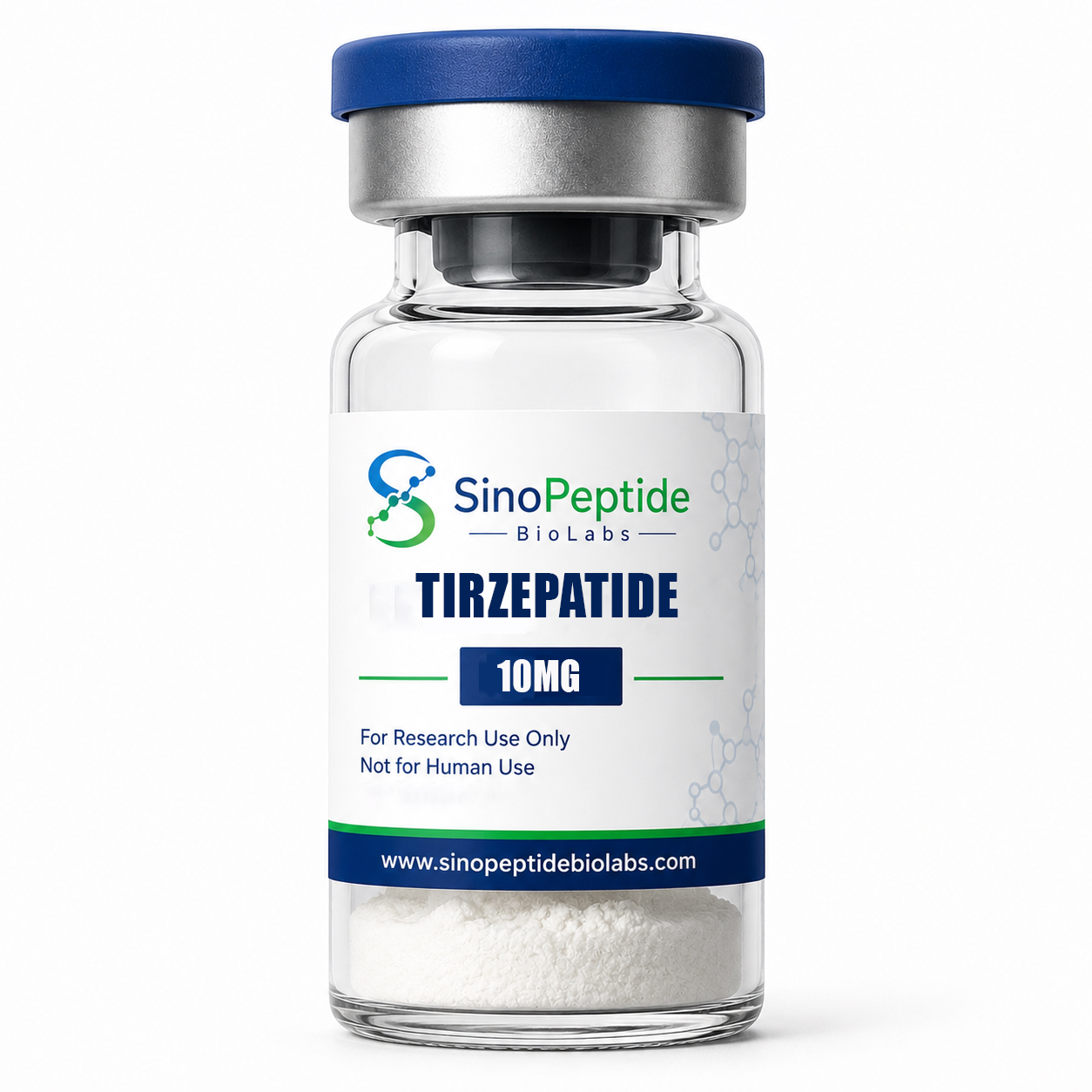
Tirzepatide 10mg
$60.00
10 Vials/ Kits
Tirzepatide 10mg: Complete Guide to Strength, Uses, Benefits, Safety and Clinical Research
Tirzepatide 10mg is a prescription-strength formulation of tirzepatide, a dual glucose-dependent insulinotropic polypeptide (GIP) and glucagon-like peptide-1 (GLP-1) receptor agonist. Tirzepatide has become an important subject of clinical research because of its effects on blood-glucose regulation, appetite, body weight, and other metabolic outcomes.
Unlike some product listings in which a number such as “40mg,” “50mg,” or “60mg” can represent the total amount contained in a multidose presentation, Tirzepatide 10mg can refer directly to a 10mg individual strength or dose. Current U.S. FDA labeling for Zepbound lists 10mg as one of the available single-dose strengths and also identifies 10mg as a recommended maintenance strength for weight reduction and long-term weight maintenance.
Clinical research has specifically evaluated tirzepatide 10mg. In the phase 3 SURMOUNT-1 trial, adults with obesity or overweight and a weight-related condition received once-weekly tirzepatide at 5mg, 10mg, or 15mg for 72 weeks. The 10mg group experienced a mean body-weight change of approximately −19.5% at week 72 under the trial’s treatment-regimen estimand.
However, clinical-trial results should not be interpreted as a guarantee of an individual outcome. Tirzepatide is a prescription medicine with important contraindications, warnings, and potential adverse reactions.
What Is Tirzepatide 10mg?
Tirzepatide 10mg contains 10 milligrams of the active pharmaceutical ingredient tirzepatide. Tirzepatide is a modified peptide designed to activate both the GIP and GLP-1 receptors.
This dual mechanism distinguishes tirzepatide from medicines that act primarily through a single incretin pathway.
The FDA-approved product Zepbound contains tirzepatide and is indicated, in combination with a reduced-calorie diet and increased physical activity, for long-term weight reduction and weight maintenance in adults with obesity or adults with overweight who have at least one weight-related comorbid condition. Current U.S. labeling also includes an indication for moderate-to-severe obstructive sleep apnea in adults with obesity.
Mounjaro, another FDA-approved tirzepatide product, is indicated as an adjunct to diet and exercise to improve glycemic control in adults and pediatric patients aged 10 years and older with type 2 diabetes.
Therefore, the exact product and its approved indication matter when discussing “Tirzepatide 10mg.”
Tirzepatide 10mg at a Glance
| Feature | Tirzepatide 10mg |
|---|---|
| Active ingredient | Tirzepatide |
| Drug class | GIP and GLP-1 receptor agonist |
| Strength | 10mg |
| Common research dose | 10mg once weekly |
| FDA-approved weight-management maintenance strength | Yes |
| Maximum recommended Zepbound dosage | 15mg once weekly |
| Primary mechanisms | GIP and GLP-1 receptor activation |
| Clinical research | Extensive phase 3 evidence |
| Common adverse effects | Gastrointestinal reactions |
| Prescription status | Prescription medicine |
| Research relevance | Metabolic, obesity, diabetes, and related clinical research |
How Does Tirzepatide Work?
Tirzepatide works through two incretin-related pathways: GIP and GLP-1.
GIP receptor activity
Glucose-dependent insulinotropic polypeptide, or GIP, is an incretin hormone involved in nutrient-related metabolic signaling.
Tirzepatide activates the GIP receptor, contributing to the regulation of glucose-dependent insulin secretion and broader metabolic processes.
GLP-1 receptor activity
GLP-1 is another incretin hormone involved in glucose regulation, appetite signaling, and gastrointestinal physiology.
Activation of the GLP-1 receptor can influence glucose-dependent insulin secretion, glucagon regulation, gastric emptying, and appetite-related signaling.
Dual GIP and GLP-1 activity
The combination of GIP and GLP-1 receptor activity is one of the defining characteristics of tirzepatide.
Rather than describing tirzepatide as simply a “weight-loss peptide,” it is more accurate from an SEO and medical-content perspective to describe it as a dual GIP/GLP-1 receptor agonist with established clinical applications and ongoing research across metabolic conditions.
This terminology also helps create content that is more informative and aligned with authoritative medical sources.
Tirzepatide 10mg and Clinical Research
One of the strongest reasons to create an evidence-based Tirzepatide 10mg page is that 10mg has been directly evaluated in major randomized clinical trials.
The landmark SURMOUNT-1 trial enrolled 2,539 adults with obesity or overweight plus at least one weight-related complication, excluding participants with diabetes. Participants were assigned to once-weekly tirzepatide 5mg, 10mg, 15mg, or placebo for 72 weeks, including a dose-escalation period.
At week 72, the reported mean percentage changes in body weight were:
- 5mg: −15.0%
- 10mg: −19.5%
- 15mg: −20.9%
- Placebo: −3.1%
The 10mg group therefore provides an important evidence base for understanding the clinical effects associated with this strength.
The study also found that gastrointestinal adverse events were the most common adverse events and were generally mild to moderate, occurring particularly during the dose-escalation period.
What Does the SURMOUNT-1 Research Tell Us?
The SURMOUNT-1 findings demonstrate several important points about Tirzepatide 10mg.
First, 10mg was not merely a theoretical research concentration. It was one of the predefined treatment groups in a large phase 3 randomized clinical trial.
Second, the study evaluated tirzepatide alongside lifestyle intervention, meaning the results should not be interpreted as evidence that medication acts independently of diet and physical activity.
Third, clinical-trial averages describe groups of participants rather than predicting the result for every individual.
Finally, the trial used a structured dose-escalation period before participants reached their assigned maintenance dose. This is important when interpreting studies and should not be confused with individualized medical instructions.
Tirzepatide 10mg for Weight Management
Tirzepatide 10mg is one of the FDA-labeled maintenance strengths of Zepbound for weight reduction and long-term weight maintenance. Current labeling identifies 5mg, 10mg, and 15mg as maintenance options for weight reduction, with 15mg listed as the maximum recommended dosage.
The FDA-approved indication is for adults with obesity or adults with overweight who have at least one weight-related comorbid condition, used alongside a reduced-calorie diet and increased physical activity.
This distinction is important for SEO content because phrases such as “Tirzepatide 10mg weight loss” should be supported with accurate information rather than exaggerated claims.
A high-quality product page should avoid statements such as:
- “Guaranteed weight loss”
- “Instant fat burning”
- “Works for everyone”
- “No side effects”
- “Permanent weight loss guaranteed”
These claims are not supported by the clinical evidence and can undermine both medical credibility and search-quality signals.
Tirzepatide 10mg and Type 2 Diabetes Research
Tirzepatide is also used clinically in the treatment of type 2 diabetes under the Mounjaro brand.
Current FDA labeling identifies Mounjaro as a GIP and GLP-1 receptor agonist indicated as an adjunct to diet and exercise to improve glycemic control in adults and pediatric patients aged 10 years and older with type 2 diabetes. The adult maximum recommended dosage is 15mg once weekly.
This makes Tirzepatide 10mg relevant to both obesity and diabetes-related clinical literature.
However, the product indication depends on the specific branded medicine and regulatory jurisdiction. A website should therefore avoid presenting all tirzepatide products as interchangeable.
Tirzepatide 10mg vs Other Tirzepatide Strengths
Tirzepatide is available in multiple strengths. Understanding the difference between them can make product pages much clearer.
| Strength | General role in current labeling |
|---|---|
| 2.5mg | Starting strength for Zepbound |
| 5mg | Maintenance strength |
| 7.5mg | Intermediate strength used during escalation |
| 10mg | Maintenance strength |
| 12.5mg | Intermediate strength used during escalation |
| 15mg | Maintenance and maximum recommended strength |
The FDA label describes dose escalation in 2.5mg increments after at least four weeks, with maintenance selection based on treatment response and tolerability.
This does not mean that everyone should progress through every available strength. Individual treatment decisions belong with the prescribing clinician.
Tirzepatide 10mg vs 10mg/2.4mL
An important SEO and product-description distinction is the difference between 10mg as a strength and 10mg/2.4mL as a total multidose presentation.
Current FDA labeling identifies:
10mg/2.4mL = four 2.5mg/0.6mL doses
This is not equivalent to a single 10mg administration. The 10mg/2.4mL presentation contains 10mg total across four 2.5mg doses.
By contrast, a single-dose 10mg presentation contains 10mg intended as the labeled individual strength.
This distinction is extremely important for accurate product-page SEO.
Why Product Quantity and Dose Should Not Be Confused
Searchers frequently use terms such as:
- Tirzepatide 10mg
- Tirzepatide 10 mg vial
- Tirzepatide 10mg dose
- Tirzepatide 10mg/2.4mL
- Tirzepatide 10mg injection
These phrases can describe different aspects of a product.
A website should clearly explain whether “10mg” means:
- The amount in a single-dose presentation,
- The total amount contained in a multidose presentation, or
- The strength being discussed in clinical research.
Clear terminology reduces confusion and improves the usefulness of the page.
Tirzepatide 10mg Safety Information
Tirzepatide is a prescription medicine and should not be presented as risk-free.
The current FDA Zepbound label contains a boxed warning concerning thyroid C-cell tumors observed in rats. It states that the relevance to humans is unknown and contraindicates Zepbound in people with a personal or family history of medullary thyroid carcinoma or in people with Multiple Endocrine Neoplasia syndrome type 2.
Other important warnings and precautions include:
- Severe gastrointestinal adverse reactions
- Acute kidney injury associated with volume depletion
- Acute gallbladder disease
- Acute pancreatitis
- Serious hypersensitivity reactions
- Hypoglycemia risk when used with insulin or insulin secretagogues
- Diabetic retinopathy complications in certain patients
- Pulmonary aspiration during general anesthesia or deep sedation
- Delayed gastric emptying and potential effects on absorption of oral medicines
The FDA label also lists nausea, diarrhea, vomiting, constipation, abdominal pain, dyspepsia, injection-site reactions, fatigue, hypersensitivity reactions, eructation, hair loss, and gastroesophageal reflux disease among reported adverse reactions.
Tirzepatide and Pregnancy
The FDA labeling states that tirzepatide may cause fetal harm and advises discontinuation when pregnancy is recognized.
Because pregnancy, reproductive health, and medication interactions can involve significant individual considerations, these topics should be addressed with a qualified healthcare professional rather than through generic online dosing advice.
How Tirzepatide 10mg Was Studied
The evidence surrounding Tirzepatide 10mg comes from structured clinical research.
In SURMOUNT-1, participants were randomized to fixed-dose tirzepatide groups and placebo. The study lasted 72 weeks and included a 20-week dose-escalation period.
The trial was designed to evaluate changes in body weight and the proportion of participants achieving predefined weight-reduction thresholds.
At 72 weeks, 89% of participants in the 10mg group achieved at least 5% weight reduction under the treatment-regimen estimand, compared with 35% in the placebo group. The study also reported that 50% of participants in the 10mg group achieved at least 20% weight reduction under the same analysis.
These figures are useful for understanding population-level trial outcomes but should not be presented as guaranteed individual results.
Long-Term Tirzepatide Research
Longer-term research has continued to evaluate tirzepatide.
A subsequent SURMOUNT-1 analysis followed participants for up to three years and examined outcomes related to body weight and progression from prediabetes to type 2 diabetes. The study reported sustained weight reduction and a substantially lower rate of progression to type 2 diabetes among participants receiving tirzepatide compared with placebo.
Importantly, this longer-term study also involved 5mg, 10mg, and 15mg treatment groups rather than a 60mg or other unusually high weekly dose.
This reinforces an important point for product content: 10mg is a clinically studied tirzepatide strength, while higher total quantities appearing on packaging should not automatically be interpreted as higher individual doses.
Tirzepatide 10mg Compared With Semaglutide
Tirzepatide and semaglutide are both used in modern metabolic medicine, but they are not identical medications.
Tirzepatide activates both GIP and GLP-1 receptors, while semaglutide primarily activates the GLP-1 receptor.
The SURMOUNT-5 phase 3b trial directly compared maximum tolerated tirzepatide with maximum tolerated semaglutide in adults with obesity without type 2 diabetes. Participants received tirzepatide at 10mg or 15mg or semaglutide at 1.7mg or 2.4mg once weekly for 72 weeks.
The study reported greater average body-weight reduction with tirzepatide than semaglutide in that study population. Because the trial compared treatment regimens rather than isolated product strengths, its results should not be interpreted as a universal prediction for individual patients.
Quality Considerations for Tirzepatide Products
For websites selling or describing pharmaceutical products, quality information is an important component of trustworthy content.
A strong Tirzepatide 10mg product page should provide transparent information where available, including:
Identity testing
Testing should establish that the material corresponds to the stated active ingredient.
Purity testing
Analytical testing may be used to assess chemical purity and identify related substances or impurities.
HPLC analysis
High-performance liquid chromatography, or HPLC, is commonly used for analytical characterization of peptide and pharmaceutical materials.
Mass spectrometry
Mass spectrometry can provide information about molecular mass and identity.
Certificate of Analysis
A Certificate of Analysis, or COA, can provide batch-specific information such as identity, assay, purity, and testing results when supplied by a qualified laboratory.
Manufacturing information
Credible product documentation should clearly distinguish manufacturer information, batch information, testing information, storage requirements, and regulatory status.
Quality claims should always be supported by actual documentation. A website should not describe a product as “pharmaceutical grade,” “99% pure,” or “FDA approved” unless there is appropriate evidence for the specific product being described.
Storage and Handling
Storage requirements depend on the specific FDA-approved presentation and product label.
For an approved tirzepatide medicine, users should follow the storage and handling instructions supplied with that exact product. Websites should avoid replacing official labeling with generic storage instructions because different formulations, containers, and presentations may have different requirements.
This is particularly important when a website uses broad terms such as “Tirzepatide 10mg vial.”
The term “vial” alone does not establish the formulation, concentration, sterility, approved indication, or storage requirements of a product.
Tirzepatide 10mg: Common Questions
Is Tirzepatide 10mg an approved strength?
Yes. Current U.S. FDA labeling for Zepbound includes 10mg as a single-dose strength and as a recommended maintenance strength for weight reduction and long-term weight maintenance.
Is 10mg a maximum dose?
No. Current Zepbound labeling lists 15mg once weekly as the maximum recommended dosage.
Was 10mg studied in clinical trials?
Yes. The phase 3 SURMOUNT-1 trial directly studied once-weekly tirzepatide 10mg for 72 weeks.
What did the 10mg group experience in SURMOUNT-1?
The reported mean body-weight change at week 72 was −19.5% under the treatment-regimen estimand. This is a clinical-trial average and should not be interpreted as a guaranteed result for an individual.
Is Tirzepatide 10mg the same as Tirzepatide 10mg/2.4mL?
No. A 10mg/2.4mL multidose presentation contains four 2.5mg/0.6mL doses, meaning the 10mg refers to the total amount in that presentation rather than a single 10mg dose.
What are the most common side effects?
The FDA label lists gastrointestinal reactions such as nausea, diarrhea, vomiting, constipation, abdominal pain, and dyspepsia among common adverse reactions.
Can Tirzepatide 10mg be combined with another GLP-1 medicine?
The current Zepbound label states that coadministration with other tirzepatide-containing products or any GLP-1 receptor agonist is not recommended.
Is Tirzepatide 10mg suitable for everyone?
No. Tirzepatide has contraindications and warnings, and suitability depends on an individual’s medical history, medications, and clinical circumstances. A healthcare professional should determine whether a prescription medicine is appropriate.
Is Tirzepatide 10mg a research peptide?
Tirzepatide is both a subject of ongoing research and an FDA-approved prescription medicine in specific branded formulations and indications. It should not automatically be described as “research only.”
Does Tirzepatide 10mg guarantee weight loss?
No. Clinical studies demonstrate average effects in defined populations, but individual responses vary.
Why Accurate Tirzepatide 10mg Content Matters for SEO
Medical and pharmaceutical SEO requires more than repeating a target keyword.
A high-quality page should demonstrate:
- Accurate product terminology
- Evidence-based claims
- Clear explanations
- Transparent regulatory information
- Appropriate safety information
- Clinically relevant references
- Natural keyword usage
- Helpful FAQs
- Clear differentiation between dose and total product quantity
For the keyword Tirzepatide 10mg, an effective page should address the searcher’s likely questions instead of simply repeating “Tirzepatide 10mg” throughout the text.
Useful semantic topics include:
- Tirzepatide 10 mg
- Tirzepatide 10mg injection
- Tirzepatide 10mg strength
- Tirzepatide 10mg dose
- Tirzepatide 10mg weight loss
- Tirzepatide 10mg clinical research
- Tirzepatide 10mg safety
- Tirzepatide GIP GLP-1
- Tirzepatide 10mg FDA status
- Tirzepatide 10mg clinical trial
- Tirzepatide 10mg vs semaglutide
- Tirzepatide 10mg side effects
These terms can be incorporated naturally into headings, body copy, FAQs, image alt text, and supporting content without keyword stuffing.
Final Takeaway
Tirzepatide 10mg is an important and well-studied tirzepatide strength. It belongs to a class of dual GIP and GLP-1 receptor agonists and has been evaluated extensively in clinical trials involving obesity and metabolic health.
The 10mg strength has particular relevance because it has been directly studied in the phase 3 SURMOUNT-1 trial, where participants receiving 10mg once weekly experienced a mean body-weight reduction of approximately 19.5% at week 72 under the study’s treatment-regimen analysis.
Current U.S. FDA labeling also identifies 10mg as a maintenance strength for Zepbound in weight reduction and long-term weight maintenance, while 15mg is the maximum recommended dosage.
For accurate product content, it is essential to distinguish a 10mg individual strength from a 10mg/2.4mL multidose presentation, because the latter contains four 2.5mg doses rather than one 10mg dose.
A trustworthy Tirzepatide 10mg product page should therefore combine clear product information, current regulatory facts, clinical evidence, quality considerations, and appropriate safety information rather than relying on exaggerated weight-loss or therapeutic claims.
Important: Tirzepatide is a prescription medicine. This article is for educational and SEO information only and should not replace the prescribing information supplied with an approved product or individualized advice from a qualified healthcare professional.
Be the first to review “Tirzepatide 10mg”
Related products
Pure Peptides
Pure Peptides
Pure Peptides
Pure Peptides
Pure Peptides
Pure Peptides
Pure Peptides
Pure Peptides
Reviews
There are no reviews yet.