

Uncategorized
What Are Peptides
Jun
What Are Peptides? Understanding Their Growing Importance in Scientific Research
Peptides have become one of the most studied classes of molecules in modern biotechnology and life science research. As scientific understanding continues to evolve, researchers are increasingly exploring peptides to investigate biological processes, cellular communication, and potential applications in drug discovery and molecular biology.
But what exactly are peptides, and why have they become such an important focus within the scientific community?
What Are Peptides?
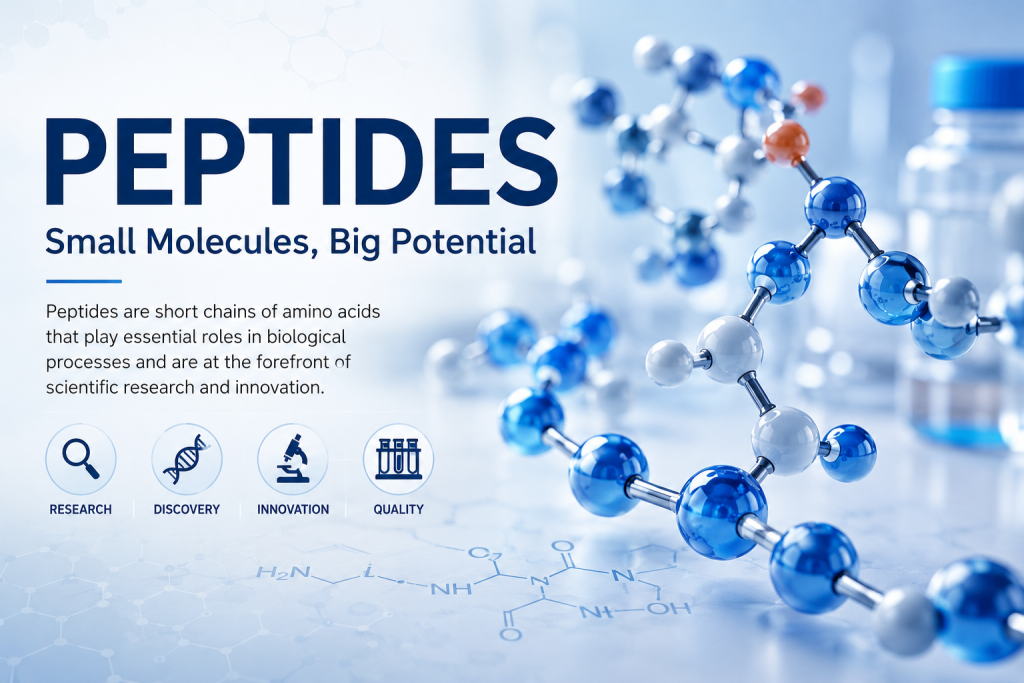
Peptides are short chains of amino acids connected by peptide bonds. Amino acids are often referred to as the building blocks of life because they combine to form proteins, enzymes, hormones, and many other essential biological compounds.
While proteins may contain hundreds or even thousands of amino acids, peptides typically consist of smaller amino acid chains. This smaller size often allows researchers to study specific biological interactions with greater precision.
Peptides occur naturally throughout the human body, as well as in plants, animals, and microorganisms. Many biological functions rely on peptide signaling and communication between cells.
How Peptides Function in Biological Systems
Peptides play diverse roles in living organisms. Depending on their structure and sequence, they can act as:
- Hormones
- Neurotransmitters
- Signaling molecules
- Growth factors
- Immune system regulators
- Cellular messengers
These functions make peptides valuable tools for researchers seeking to understand how biological systems operate at the molecular level.
Scientists often investigate how peptides interact with receptors, proteins, and cellular pathways to gain deeper insights into biological mechanisms.
Why Peptide Research Is Expanding
The global interest in peptide research has grown significantly over the past decade. Several factors contribute to this increasing attention:
High Specificity
Peptides can interact with biological targets with remarkable specificity. This characteristic allows researchers to examine precise biological pathways and molecular interactions.
Versatility
Peptides can be designed and synthesized to meet specific research objectives. Their flexibility makes them useful across multiple scientific disciplines, including biotechnology, pharmacology, molecular biology, and biochemistry.
Advancements in Peptide Synthesis
Modern peptide synthesis technologies have improved both the efficiency and accuracy of peptide production. Researchers now have access to highly specialized compounds that were previously difficult to manufacture.
Expanding Scientific Applications
As new discoveries emerge, peptides continue to demonstrate value in a growing number of research fields. Their potential to provide insights into complex biological systems has made them an important area of scientific investigation.
Common Areas of Peptide Research
Peptides are frequently utilized in laboratory settings for studies involving:
Cell Signaling
Researchers investigate how peptides influence communication between cells and regulate biological processes.
Receptor Studies
Peptides are commonly used to examine receptor interactions and molecular binding mechanisms.
Protein Research
Scientists use peptides to explore protein structure, function, and biological activity.
Drug Discovery
Many pharmaceutical research programs incorporate peptides when evaluating potential therapeutic pathways and biological targets.
Biotechnology Development
Peptides contribute to innovation in biotechnology by providing tools for studying biological systems and developing new research methodologies.
The Importance of Quality in Peptide Research
The quality of research peptides plays a critical role in obtaining reliable and reproducible results. Researchers often prioritize factors such as:
- Purity
- Batch consistency
- Accurate characterization
- Proper storage conditions
- Quality control testing
High-quality peptides help ensure that laboratory studies produce meaningful and trustworthy data.
For this reason, researchers frequently seek suppliers that emphasize rigorous quality standards and transparent manufacturing practices.
The Future of Peptide Science
Peptide science continues to evolve as researchers uncover new biological mechanisms and technological advancements. Improvements in synthesis methods, analytical testing, and biotechnology platforms are expected to further expand the role of peptides in scientific research.
As the scientific community continues to explore complex biological systems, peptides will likely remain at the forefront of innovation, providing valuable tools for discovery and advancement across multiple disciplines.
Conclusion
Peptides represent one of the most exciting areas of modern scientific research. Their unique biological properties, versatility, and growing range of applications make them essential tools for researchers worldwide.
Whether used in molecular biology, biotechnology, receptor studies, or pharmaceutical research, peptides continue to contribute to scientific understanding and innovation. As research capabilities expand, the importance of high-quality peptide products and reliable scientific resources will only continue to grow.
Disclaimer
The information provided in this article is intended solely for educational and informational purposes. Products offered by Sino Peptide BioLabs are intended exclusively for laboratory research and scientific investigation. They are not intended for human consumption, medical use, veterinary use, or therapeutic applications.
