
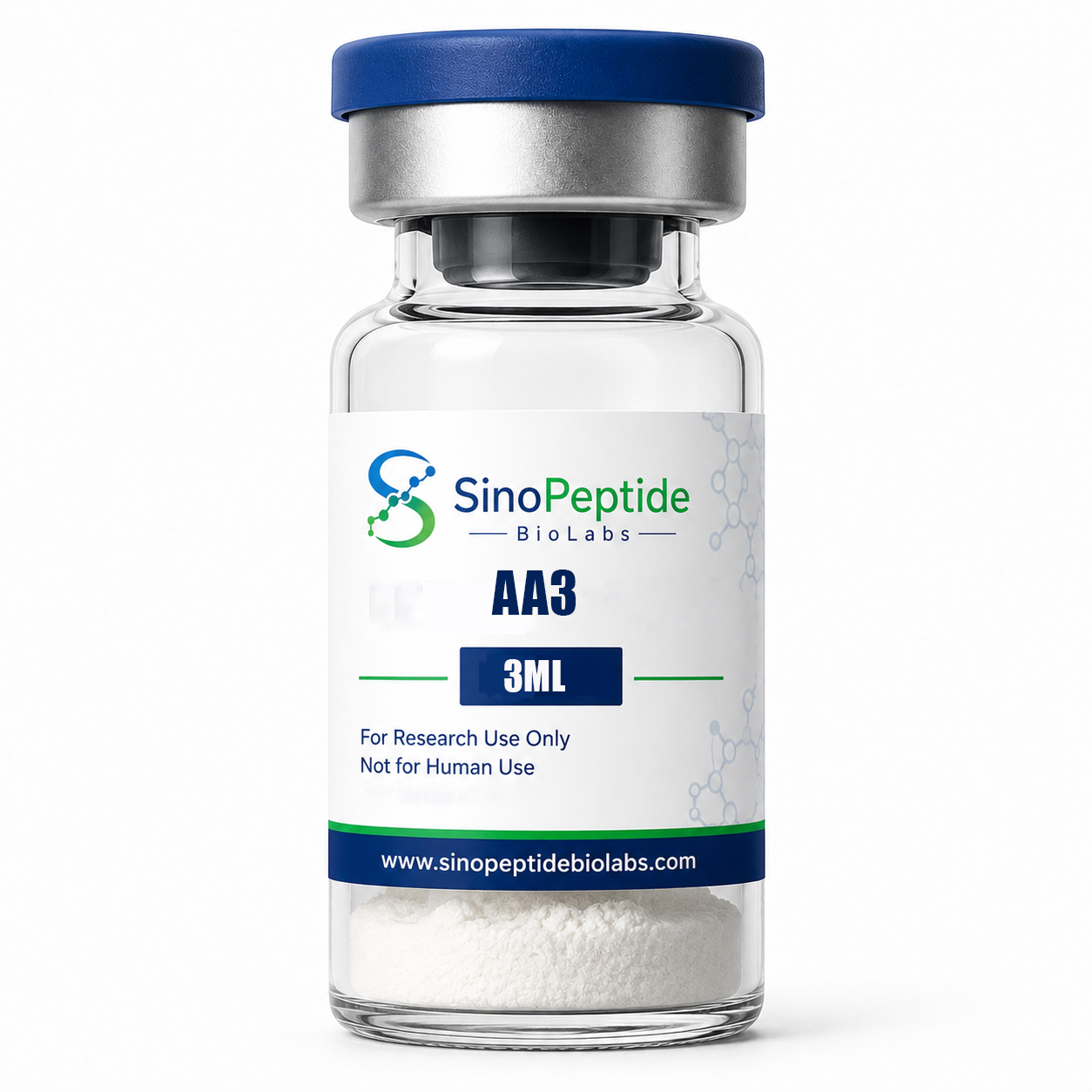
asetic acid water 0.9% 3ml
$5.00
Acetic Acid Water 0.9% 3mL: Research Solution, Uses, Specifications and Safety Guide
Acetic Acid Water 0.9% 3mL is a small-volume dilute acetic acid solution designed for specific laboratory and research applications where an acidic aqueous environment may be required. The 3 mL designation refers to the volume supplied, while 0.9% refers to the concentration of acetic acid in the solution.
Because products described as “acetic acid water” can differ significantly in concentration, formulation, sterility, intended application, and regulatory status, it is important to verify the manufacturer’s product specification before using the material. In particular, Acetic Acid Water 0.9% 3mL should not automatically be interpreted as normal saline, sterile water, or bacteriostatic water.
Acetic acid is a weak organic acid with the chemical formula C₂H₄O₂ and molecular weight of approximately 60.05 g/mol. Dilute acetic acid solutions are used in several scientific, laboratory, pharmaceutical, and medical contexts because they can provide an acidic environment and influence the solubility or behavior of certain compounds.
This guide explains what Acetic Acid Water 0.9% 3mL means, its potential research applications, how it differs from other commonly used aqueous solutions, important quality considerations, storage considerations, and safety information.
Important: A research-grade acetic acid solution should not be used as an injectable product or as a substitute for a prescribed medicine. If a particular product is labeled Research Use Only (RUO), it is intended for laboratory research and is not intended for human or veterinary use.
What Is Acetic Acid Water 0.9% 3mL?
Acetic Acid Water 0.9% 3mL is an aqueous solution containing dilute acetic acid at a stated concentration of 0.9%, supplied in a container with a nominal volume of 3 mL.
The three main parts of the product description have different meanings:
- Acetic acid – the acidic component of the solution.
- 0.9% – the stated concentration of acetic acid.
- 3mL – the amount of solution contained in the vial or container.
This distinction is important for anyone searching for acetic acid water 0.9% 3mL, 0.9% acetic acid 3mL, or acetic acid solution 3mL online.
A 3 mL vial is simply a small-volume presentation. It does not mean that 3 mL is a recommended dose, nor does the volume by itself indicate how the material should be used.
The appropriate application depends on the exact formulation, certificate of analysis, intended-use statement, sterility status, and instructions provided by the manufacturer.
Understanding the 0.9% Concentration
The concentration is one of the most important specifications when evaluating an acetic acid solution.
A 0.9% solution means that acetic acid represents approximately 0.9% of the solution according to the manufacturer’s stated concentration convention. However, buyers should check whether the specification is expressed as weight/volume, weight/weight, or another basis.
This is particularly important because 0.9% acetic acid is not equivalent to 0.9% sodium chloride.
For example, 0.9% sodium chloride is commonly referred to as normal saline, whereas acetic acid is an entirely different chemical substance. A product containing acetic acid should therefore never be substituted for saline simply because both product descriptions contain the number “0.9%.”
Likewise, acetic acid water is different from bacteriostatic water. Bacteriostatic water may contain a preservative such as benzyl alcohol, whereas an acetic acid research solution contains dilute acetic acid for an entirely different purpose.
What Does the 3mL Size Mean?
The 3mL specification describes the volume of liquid supplied in the vial.
Small-volume containers are useful in laboratory environments because researchers may require only limited quantities of a solvent or reconstitution solution. A 3mL presentation can reduce unnecessary material consumption and may be convenient for controlled experimental workflows.
However, the vial size should not be confused with:
- concentration,
- dosage,
- potency,
- purity,
- sterility,
- or intended route of administration.
A 3mL vial containing a dilute laboratory solution is a volume specification—not a medical dosing instruction.
Acetic Acid in Laboratory Research
Acetic acid has broad scientific applications because changing acidity can influence chemical reactions, molecular interactions, solubility, and the behavior of biological materials.
Dilute acetic acid solutions may therefore be encountered in research workflows involving:
- pH-dependent experiments,
- analytical chemistry,
- sample preparation,
- compound solubilization,
- laboratory reconstitution,
- biochemical studies,
- formulation research,
- and other controlled experimental procedures.
The exact application depends on the compound being studied and the validated laboratory protocol.
Some research suppliers specifically market dilute acetic acid solutions as reconstitution aids for laboratory peptide work. For example, research products may be supplied in small 3mL vials and described as solvents or solubilizing media for compounds that require a mildly acidic environment.
This does not mean that every peptide or research compound should be reconstituted with acetic acid. Solvent compatibility must be established from the compound’s research protocol and manufacturer’s documentation.
Acetic Acid Water 0.9% for Peptide Research
One of the search-intent categories associated with small-volume acetic acid solutions is peptide research.
Some peptides can have limited solubility in water or other commonly used aqueous media. Depending on the chemical characteristics of the research compound, an appropriately selected acidic solution may sometimes be investigated as part of a laboratory solubilization or reconstitution procedure.
The principle is straightforward: changing the chemical environment can influence how a compound interacts with the surrounding solution.
However, researchers should not assume that a specific concentration of acetic acid is universally suitable.
Different compounds can respond differently to:
- pH,
- ionic strength,
- solvent composition,
- temperature,
- concentration,
- mixing conditions,
- and storage conditions.
Consequently, Acetic Acid Water 0.9% 3mL should only be used for a particular research application when the laboratory protocol or product documentation specifies that it is compatible.
Is Acetic Acid Water the Same as Bacteriostatic Water?
No.
This is one of the most important distinctions for people searching for acetic acid water 0.9% 3mL.
Acetic acid solution
A dilute acetic acid solution contains acetic acid in water. Its purpose may include providing an acidic medium or assisting with the laboratory handling of compatible compounds.
Bacteriostatic water
Bacteriostatic water is a different product category. A typical bacteriostatic-water formulation contains sterile water with a preservative, commonly benzyl alcohol.
Sterile water
Sterile water is also different. It does not necessarily contain either acetic acid or a bacteriostatic preservative.
Therefore, these products should not be treated as interchangeable.
When selecting a laboratory solvent, researchers should follow the specifications for the particular compound and experiment rather than choosing a solution based only on vial size or the word “water.”
Acetic Acid Water vs. 0.9% Sodium Chloride
Another common source of confusion is the number 0.9%.
0.9% sodium chloride solution is saline. It contains sodium chloride in water.
0.9% acetic acid solution contains acetic acid in water.
These are chemically different solutions with different properties and different intended applications.
The fact that both may be labeled “0.9%” does not make them equivalent.
Researchers, pharmacists, healthcare professionals, and consumers should carefully read the active ingredient and concentration on the label before selecting a product.
Acetic Acid in Medical Applications
Acetic acid itself has established medical applications in specific formulations.
For example, acetic acid irrigation has been used for urinary bladder irrigation in selected patients with prolonged indwelling urinary catheters. The purpose includes helping prevent growth of susceptible urinary pathogens and reducing certain catheter encrustations.
However, the formulation used for a medical indication is important.
The United States Pharmacopeia describes Acetic Acid Irrigation as a sterile solution of glacial acetic acid in Water for Injection, with a concentration corresponding to approximately 0.25%.
A commercial 0.25% acetic acid irrigation product is specifically labeled for urinary bladder irrigation and explicitly states that it is not for injection by usual parenteral routes.
This illustrates why concentration and intended-use labeling matter. A laboratory product called “Acetic Acid Water 0.9% 3mL” should not automatically be assumed to be equivalent to an approved medical irrigation product.
Potential Research Applications
Depending on the exact formulation and product documentation, dilute acetic acid solutions may be investigated in several laboratory settings.
1. Solubility studies
Researchers can examine how compounds behave at different acidity levels. Acetic acid solutions can provide a controlled acidic environment for such investigations.
2. Peptide research
Certain research peptides may require an acidic medium during experimental preparation because of their chemical characteristics. Commercial research suppliers sometimes provide dilute acetic acid solutions for this purpose.
3. Analytical chemistry
Acidic aqueous solutions can be used in analytical procedures where pH affects chemical reactions, extraction, separation, or detection.
4. Formulation research
Researchers studying experimental formulations may evaluate how pH influences stability, solubility, or compatibility.
5. Laboratory sample preparation
In appropriately validated protocols, dilute acetic acid may be used to prepare samples or modify their chemical environment.
The exact use should always be determined by a qualified laboratory professional and an appropriate research protocol.
Why Product Quality Matters
Not every solution advertised online under similar terminology will have the same quality or specifications.
When purchasing Acetic Acid Water 0.9% 3mL, researchers should consider several quality indicators.
Certificate of Analysis
A Certificate of Analysis (COA) can provide information about the tested characteristics of a specific lot.
Depending on the product, documentation may include:
- identity,
- concentration,
- appearance,
- pH,
- purity,
- sterility information,
- endotoxin information,
- lot number,
- manufacturing date,
- expiration or retest date.
The exact information varies by manufacturer.
Clear concentration
The label should clearly state the concentration and formulation.
Avoid relying on ambiguous product descriptions such as “acidic water” without checking the actual specification.
Lot traceability
A reliable research product should have a traceable lot or batch number that corresponds to its documentation.
Appropriate packaging
The container should be compatible with the solution and appropriate for the intended laboratory environment.
Storage information
The manufacturer’s storage instructions should be clearly provided.
Storage of Acetic Acid Water 0.9% 3mL
Storage requirements depend on the specific formulation and manufacturer.
Some research suppliers recommend room-temperature storage for certain dilute acetic acid solutions, while other research formulations may specify refrigeration. For example, currently marketed acetic acid research solutions can have different storage instructions depending on their formulation.
Therefore, there should not be one universal storage recommendation for every product sold as acetic acid water.
Always follow the label or manufacturer’s technical documentation.
Important storage considerations may include:
- keeping the container tightly closed,
- protecting it from inappropriate temperatures,
- avoiding contamination,
- protecting it from incompatible materials,
- observing the expiration or retest date,
- and storing it according to the manufacturer’s instructions.
If the product is supplied as a sterile laboratory solution, maintaining container integrity is particularly important.
Handling Considerations
Acetic acid is an acidic chemical, and appropriate laboratory handling is important even when the solution is dilute.
Researchers should consult the product’s Safety Data Sheet (SDS) before use.
Depending on the concentration and laboratory procedure, appropriate precautions can include:
- wearing suitable laboratory gloves,
- using eye protection,
- avoiding unnecessary skin contact,
- avoiding contact with eyes,
- using the solution in an appropriate laboratory environment,
- and following institutional chemical-safety procedures.
If accidental exposure occurs, follow the SDS and applicable institutional emergency procedures.
Is Acetic Acid Water 0.9% 3mL Safe for Injection?
A product should not be injected simply because it is sterile, supplied in a vial, or described as a reconstitution solution.
If Acetic Acid Water 0.9% 3mL is labeled for research use only, it should not be used in humans or animals.
Sterility alone does not establish that a product is:
- suitable for injection,
- pyrogen-free,
- isotonic,
- clinically approved,
- compatible with injectable medicines,
- or safe for human administration.
This is an especially important distinction for products marketed online alongside research peptides.
The intended use stated by the manufacturer must be followed.
Is 0.9% Acetic Acid the Same as Acetic Acid Irrigation?
No—not automatically.
Medical acetic acid irrigation is a defined pharmaceutical formulation. USP describes Acetic Acid Irrigation as a sterile solution of glacial acetic acid in Water for Injection, while commonly listed commercial acetic acid irrigation products are 0.25%.
A separate product labeled Acetic Acid Water 0.9% 3mL may have a different concentration, container, sterility specification, intended use, and regulatory status.
Therefore, the names should not be treated as interchangeable.
Acetic Acid Water 0.9% 3mL and Research Peptides
Interest in small-volume acetic acid solutions has increased alongside the availability of research peptide products online.
Some research peptide suppliers list dilute acetic acid solutions as laboratory reconstitution aids. For example, products in the market may be offered in 3mL vials and marketed for specific research compounds that may require an acidic solvent.
However, online availability should not be confused with regulatory approval.
A research solvent is not automatically a pharmaceutical excipient, injectable diluent, or approved medical product.
Researchers should confirm compatibility through:
- the peptide or compound’s research documentation;
- the solvent manufacturer’s specifications;
- the applicable laboratory protocol;
- chemical compatibility information; and
- appropriate institutional safety procedures.
How to Choose Acetic Acid Water 0.9% 3mL
If your laboratory specifically requires a 0.9% acetic acid solution in a 3mL presentation, consider the following checklist.
Check the concentration
Confirm that the product is actually 0.9% acetic acid.
Check the volume
Confirm that the vial contains 3mL of solution.
Check the formulation
Determine whether the solution contains only water and acetic acid or additional ingredients.
Check the intended use
Look for statements such as laboratory research use, analytical use, or pharmaceutical/medical use.
Check sterility
Do not assume that a product is sterile unless the manufacturer explicitly documents sterility.
Check documentation
Look for a COA, SDS, lot number, and relevant technical specifications.
Check storage requirements
Follow the manufacturer’s instructions rather than assuming that all acetic acid solutions require refrigeration.
Check compatibility
Make sure the solution is appropriate for the material being studied.
Acetic Acid Water 0.9% 3mL Price
The price of Acetic Acid Water 0.9% 3mL can vary substantially depending on:
- manufacturer,
- concentration,
- purity,
- sterility,
- packaging,
- testing,
- documentation,
- geographic location,
- and shipping requirements.
A very low price should not automatically be considered an advantage.
For research applications, documentation and traceability can be more important than choosing the cheapest vial.
When comparing products, researchers should compare the complete specification rather than comparing price alone.
Acetic Acid Water 0.9% 3mL for Sale
People searching for Acetic Acid Water 0.9% 3mL for sale should first determine whether they require a laboratory research solution, a pharmaceutical product, or a medical irrigation formulation.
These categories should not be confused.
A research supplier may sell dilute acetic acid specifically for controlled laboratory applications, while pharmaceutical suppliers may sell completely different acetic acid formulations for approved medical indications.
Before purchasing, verify:
- concentration,
- volume,
- intended use,
- manufacturer,
- lot number,
- COA availability,
- SDS availability,
- storage requirements,
- and applicable regulatory information.
Frequently Asked Questions
What is Acetic Acid Water 0.9% 3mL?
It is a small-volume aqueous solution containing a stated 0.9% concentration of acetic acid. The 3mL specification refers to the volume supplied.
What is acetic acid?
Acetic acid is a weak organic acid with the molecular formula C₂H₄O₂ and molecular weight of approximately 60.05 g/mol.
What does 3mL mean?
3mL refers to the amount of liquid contained in the vial. It is not a dosage recommendation.
Is 0.9% acetic acid the same as 0.9% saline?
No. 0.9% saline contains sodium chloride, while 0.9% acetic acid solution contains acetic acid.
Is acetic acid water the same as bacteriostatic water?
No. Bacteriostatic water is a different formulation and may contain a preservative such as benzyl alcohol.
Can Acetic Acid Water 0.9% 3mL be injected?
Do not assume that it can. A research-grade or RUO product should not be injected. Injectable suitability requires an appropriate pharmaceutical formulation and regulatory authorization.
Can acetic acid be used in peptide research?
Some dilute acetic acid solutions are marketed as laboratory reconstitution aids for particular research peptides. However, compatibility depends on the specific compound and research protocol.
Does every acetic acid solution have the same concentration?
No. Acetic acid products can be available at different concentrations and for different applications. Medical acetic acid irrigation, for example, is commonly listed at 0.25%, whereas other research solutions can have different concentrations.
How should Acetic Acid Water 0.9% 3mL be stored?
Storage depends on the manufacturer’s formulation. Follow the product label, COA, SDS, and technical documentation rather than assuming a universal storage condition.
Why is acetic acid used in laboratory research?
Its acidic properties can be useful in controlled experiments involving pH, solubility, chemical reactions, sample preparation, and formulation research.
Is Acetic Acid Water 0.9% 3mL a medicine?
Not necessarily. The classification depends on the specific product. A product labeled for laboratory research is not the same as an approved pharmaceutical product.
Final Considerations
Acetic Acid Water 0.9% 3mL is best understood as a specific small-volume dilute acetic acid solution rather than as a generic substitute for saline, sterile water, or bacteriostatic water.
For laboratory and research users, the most important considerations are concentration, formulation, intended use, compatibility, documentation, storage, and safety.
Acetic acid has legitimate applications in both scientific research and medicine, but different formulations are designed for different purposes. Medical acetic acid irrigation products, for example, are specifically formulated and labeled for urinary bladder irrigation and should not be confused with research-grade acetic acid solutions.
If a 3mL acetic acid solution is being evaluated for research purposes, verify the exact concentration and manufacturer’s specifications before use. A product marketed for research should remain within its stated research-use scope and should not be repurposed as an injectable or therapeutic product.
For website owners, the strongest SEO approach is also the most accurate one: explain exactly what Acetic Acid Water 0.9% 3mL is, distinguish it from similar products, provide transparent specifications, and avoid unsupported medical or therapeutic claims.
Research use only where applicable. Not intended to diagnose, treat, cure, or prevent disease. Always follow the manufacturer’s product documentation and applicable laboratory safety requirements.
Be the first to review “asetic acid water 0.9% 3ml”
Related products
Pure Peptides
Pure Peptides
Pure Peptides
Pure Peptides
Pure Peptides
Pure Peptides
Pure Peptides
Pure Peptides
Reviews
There are no reviews yet.