

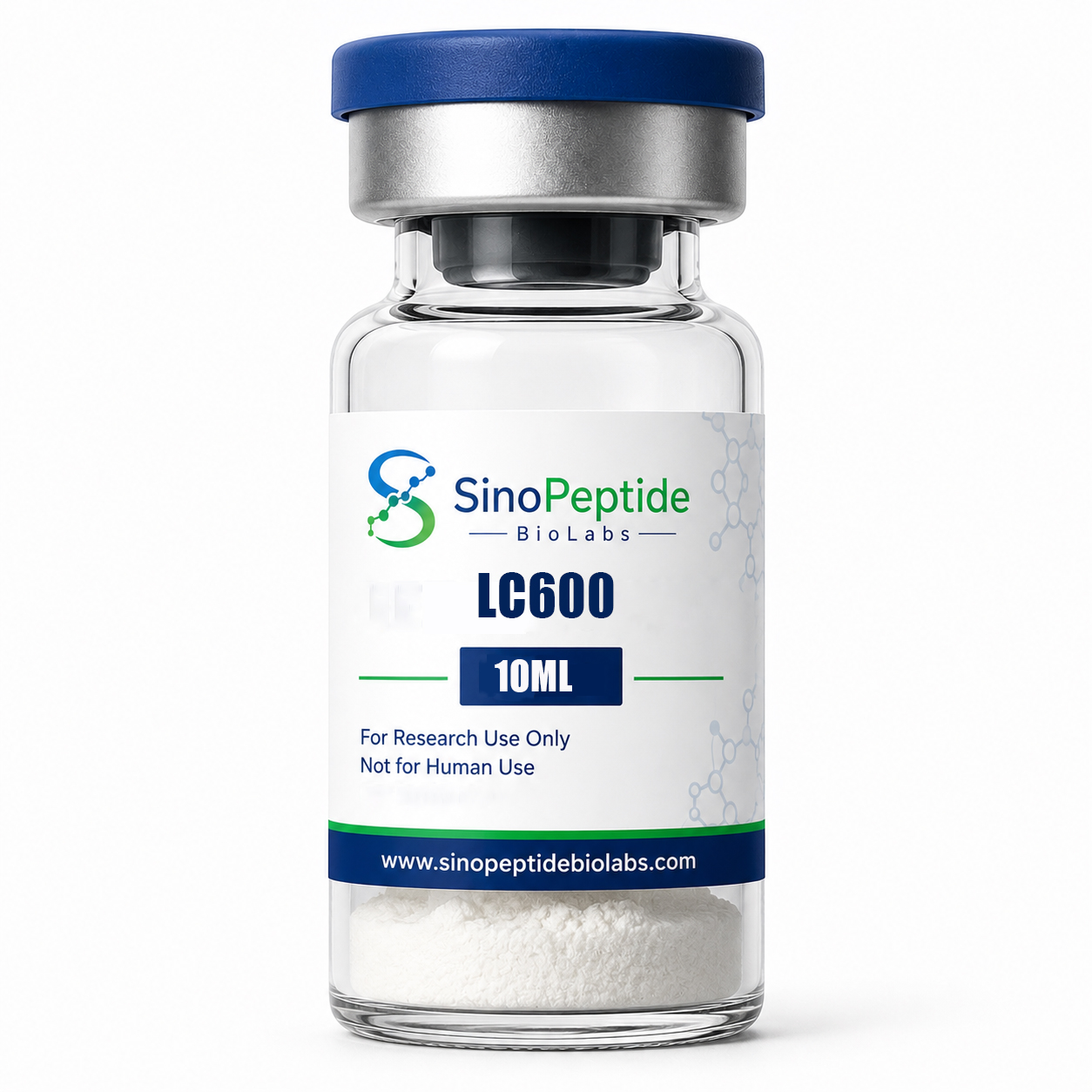
L-Carnitine 10ml
$75.00
10 Vials/ Kits
L-Carnitine 10ml: Benefits, Uses, Research, Safety & Product Guide
L-Carnitine 10ml: Understanding the Nutrient, Its Benefits and Research
L-Carnitine is a naturally occurring compound involved in energy metabolism and the transport of long-chain fatty acids into mitochondria. Because of this role, L-carnitine has attracted considerable interest in nutrition, exercise science, metabolic research, and weight-management research.
L-Carnitine 10ml generally refers to a liquid product containing L-carnitine in a 10-milliliter container or vial. However, an important distinction should be made between volume, concentration, and dose. The term “10ml” describes the volume of liquid in the product; it does not by itself tell you how much L-carnitine is contained in each milliliter or establish a clinical dose.
L-carnitine is also known as levocarnitine, particularly in pharmaceutical contexts. The human body can synthesize carnitine, and dietary sources—especially animal-derived foods—also provide it. According to the National Institutes of Health Office of Dietary Supplements, healthy adults generally synthesize enough carnitine to meet physiological requirements, meaning carnitine is not considered an essential dietary nutrient for healthy people.
Research nevertheless continues to investigate supplemental L-carnitine for areas such as exercise performance, body composition, recovery, and specific medical conditions associated with carnitine deficiency.
This article examines L-Carnitine 10ml from a scientific and product-information perspective, including its biological function, potential benefits, research evidence, safety considerations, and how to evaluate product quality.
What Is L-Carnitine?
L-carnitine is a naturally occurring compound derived from the amino acids lysine and methionine. It is synthesized primarily in the liver and kidneys and is stored in substantial amounts in skeletal and cardiac muscle.
Its most recognized physiological function involves the transport of long-chain fatty acids into mitochondria, where these fatty acids can undergo oxidation and contribute to energy production.
The mitochondria are often described as the energy-producing structures of cells. Fatty acids are an important energy substrate, but long-chain fatty acids require carnitine-dependent transport mechanisms to enter the mitochondrial matrix efficiently.
This makes carnitine particularly relevant to research involving:
- Energy metabolism
- Fatty-acid oxidation
- Skeletal muscle metabolism
- Mitochondrial function
- Exercise physiology
- Metabolic disorders
- Nutritional supplementation
L-carnitine should not, however, be described simply as a “fat burner.” Its biochemical role in fatty-acid transport is well established, but that does not mean taking supplemental L-carnitine automatically results in substantial fat loss.
What Does “L-Carnitine 10ml” Mean?
The 10ml designation refers to the volume of liquid contained in the product.
This distinction is important for accurate product descriptions.
For example:
10ml = product volume
It does not automatically mean:
- 10mg of L-carnitine
- 10g of L-carnitine
- A specific injection dose
- A specific concentration
- A standardized formulation
The actual amount of L-carnitine depends on the concentration stated on the product label.
Different pharmaceutical and compounded formulations can have substantially different concentrations. For example, an FDA-approved levocarnitine injection historically has been supplied as 1g in 5mL, while other products may have different concentrations or regulatory statuses.
Therefore, anyone evaluating an L-Carnitine 10ml product should check the label for:
- Active ingredient
- Concentration per milliliter
- Total volume
- Additional ingredients
- Route of administration stated on the label
- Manufacturer or compounder
- Lot number
- Expiration date
- Storage requirements
- Sterility information when applicable
This information provides much more useful information than the 10ml designation alone.
How Does L-Carnitine Work?
L-Carnitine and Fatty-Acid Transport
One of the most important functions of L-carnitine is helping transport long-chain fatty acids into mitochondria.
Inside mitochondria, fatty acids can undergo beta-oxidation, a metabolic process that generates acetyl-CoA and ultimately contributes to ATP production.
In simplified terms:
Fatty acids → mitochondrial transport → beta-oxidation → energy production
Carnitine participates in this transport system.
This is why L-carnitine is frequently associated with energy metabolism and fat utilization.
However, the body’s energy metabolism is complex. Increasing availability of a nutrient involved in one metabolic pathway does not necessarily mean that additional supplementation will produce proportionally greater fat oxidation or weight loss.
L-Carnitine and Mitochondrial Function
Mitochondria require multiple nutrients, enzymes, transport proteins, and metabolic pathways to produce energy efficiently.
Carnitine is one component of this system.
The physiological role of carnitine becomes particularly important when carnitine levels are abnormally low. Primary carnitine deficiency and certain forms of secondary carnitine deficiency can interfere with normal fatty-acid metabolism.
The NIH notes that secondary deficiency can occur in association with conditions such as end-stage renal disease and dialysis, while certain medications can also affect carnitine concentrations.
This is different from the situation in healthy individuals who already have adequate endogenous carnitine.
Potential Benefits of L-Carnitine
Research into L-carnitine has investigated a variety of potential applications. The strength of evidence varies considerably depending on the outcome being studied.
1. Supports Normal Energy Metabolism
The most established biological role of L-carnitine is its participation in fatty-acid transport and energy metabolism.
Because skeletal muscle has substantial energy requirements, carnitine has received considerable attention in sports and exercise research.
However, the presence of an important physiological function should not be confused with proof that supplementation improves energy levels in every healthy person.
Healthy people can generally synthesize sufficient carnitine themselves.
2. Research on Weight Management
One of the most common reasons L-carnitine appears in supplement and wellness discussions is its potential relationship with body weight and fat metabolism.
Clinical evidence has produced mixed but interesting results.
A 2020 systematic review and meta-analysis included 37 randomized controlled trials involving 2,292 participants. The researchers reported modest reductions in body weight, BMI, and fat mass among people receiving L-carnitine supplementation, although effects were not consistent across all measures and study quality influenced the interpretation.
Another meta-analysis involving 43 randomized controlled trials similarly reported modest reductions in weight and BMI, particularly among people with overweight or obesity. The researchers also noted considerable variation between studies.
More recent umbrella-level evidence has continued to examine this question. A 2025 publication synthesizing previous meta-analyses reported statistically significant reductions in weight, BMI, and waist circumference, but also noted substantial heterogeneity among the included evidence.
These findings support continued research but do not establish L-carnitine as a standalone weight-loss treatment.
What Does This Mean Practically?
The evidence is more consistent with the idea that L-carnitine may have a modest effect in some populations than with the claim that it produces dramatic or guaranteed fat loss.
Factors such as:
- Diet
- Physical activity
- Baseline body composition
- Health status
- Study duration
- Form of carnitine
- Supplementation protocol
can influence outcomes.
Therefore, responsible SEO content should avoid statements such as “L-carnitine melts fat” or “guarantees rapid weight loss.”
L-Carnitine and Exercise Performance
L-carnitine has also been studied extensively in sports nutrition.
Researchers have investigated whether supplementation can influence:
- Exercise performance
- Recovery
- Muscle soreness
- Exercise-induced muscle damage
- Oxygen utilization
- Fat oxidation
- Exercise capacity
A systematic review examining L-carnitine and related forms in exercise performance included 11 studies and found that results varied depending on exercise intensity, supplementation duration, and the specific carnitine form studied.
Another systematic review and meta-analysis examined exercise-induced muscle damage and found that clinical trial results varied substantially between studies.
This means L-carnitine should not automatically be marketed as a proven performance-enhancing compound.
Instead, the more scientifically accurate description is that it is a nutrient involved in energy metabolism that continues to be investigated for exercise and recovery applications.
L-Carnitine and Physical Activity
Physical activity increases energy demand and places greater metabolic demands on skeletal muscle.
Because carnitine participates in fatty-acid metabolism, researchers have examined whether supplemental carnitine can influence exercise-related outcomes.
Evidence suggests that responses may differ according to:
- Training status
- Exercise intensity
- Duration of supplementation
- Baseline carnitine status
- Dietary intake
- Type of carnitine used
Consequently, there is no single outcome that can accurately describe how L-carnitine affects every physically active person.
Exercise itself remains a major contributor to energy expenditure and body-composition changes. An overview of systematic reviews found that exercise training can contribute to reductions in body weight and fat while helping preserve lean mass under certain weight-loss conditions.
L-Carnitine and Carnitine Deficiency
While L-carnitine is widely marketed as a nutritional supplement, carnitine also has legitimate clinical relevance.
The body normally obtains carnitine from endogenous synthesis and dietary intake. Certain individuals, however, can develop insufficient levels.
Groups at increased risk include people with:
- Primary carnitine deficiency
- Certain metabolic disorders
- End-stage kidney disease
- Dialysis dependence
- Particular medication exposures
The NIH identifies primary and secondary carnitine deficiency as clinically relevant conditions that can affect energy metabolism and multiple organ systems.
In these situations, carnitine therapy may be medically appropriate under professional supervision.
This is different from using L-carnitine simply as a general wellness or weight-management product.
L-Carnitine 10ml: Product Considerations
When evaluating an L-Carnitine 10ml product, the first consideration should be the exact formulation.
Check the Concentration
A 10ml container does not provide enough information to determine the total quantity of active ingredient.
The label should identify the concentration, such as the amount of levocarnitine contained in each milliliter.
Do not infer concentration from the product name.
Check the Ingredient List
The product should clearly identify:
- L-carnitine or levocarnitine
- Concentration
- Vehicle or solvent
- Preservatives, if present
- Other excipients
- Total volume
The formulation of one L-carnitine product should not automatically be assumed to apply to another.
Check the Intended Route
L-carnitine exists in multiple formulations, including oral products and prescription injectable products.
These should not be treated as interchangeable.
For example, FDA-approved CARNITOR/levocarnitine injection labeling specifies intravenous use and clinical indications related to carnitine deficiency.
Other products may have different regulatory status and labeled routes.
Therefore, the route stated on the specific product’s official labeling is essential.
Is L-Carnitine 10ml FDA Approved?
The answer depends on the specific product and formulation, not simply on the ingredient name.
Levocarnitine has FDA-approved prescription products for specific medical indications. An FDA labeling document describes levocarnitine injection for the treatment of certain forms of carnitine deficiency, including deficiency associated with inherited metabolic disorders and end-stage renal disease requiring dialysis.
However, the existence of an FDA-approved levocarnitine product does not mean every L-Carnitine 10ml product is FDA approved.
This distinction is particularly important for compounded, custom-formulated, or differently labeled products.
Consumers and buyers should verify the regulatory status of the specific product rather than relying on the ingredient name alone.
L-Carnitine Safety
L-carnitine is generally well tolerated in many studies, but supplementation can cause adverse effects, particularly at higher amounts.
The NIH reports possible gastrointestinal effects including:
- Nausea
- Vomiting
- Abdominal cramps
- Diarrhea
- Fishy body odor
People with certain medical conditions may have additional concerns. For example, high amounts can contribute to muscle weakness in individuals with uremia and may increase seizure risk in people with seizure disorders.
For injectable products, safety considerations also include the formulation, sterility, route of administration, and manufacturing quality.
These factors make injectable L-carnitine fundamentally different from simply purchasing an oral nutritional supplement.
L-Carnitine and TMAO
One area of continuing scientific interest is the relationship between carnitine metabolism and trimethylamine N-oxide (TMAO).
Gut bacteria can metabolize unabsorbed carnitine into compounds that contribute to TMAO production.
Some observational research has associated higher TMAO levels with cardiovascular risk. However, the relationship between dietary or supplemental carnitine, TMAO, and long-term cardiovascular outcomes is complex and remains an area of active research.
The NIH notes that the implications of this pathway are not fully understood and require additional research.
This is another reason why L-carnitine should not be described as universally beneficial without considering context.
L-Carnitine Drug Interactions
Certain medications can affect carnitine levels or metabolism.
The NIH identifies interactions involving medications such as:
- Valproic acid
- Phenobarbital
- Phenytoin
- Carbamazepine
- Certain pivalate-containing antibiotics
These medications can affect circulating or tissue carnitine levels in different ways.
Anyone using prescription medication should discuss L-carnitine supplementation with an appropriate healthcare professional, particularly when considering a concentrated or injectable formulation.
Who Should Be Especially Careful With L-Carnitine?
Professional guidance is particularly important for people who:
- Have kidney disease
- Are receiving dialysis
- Have a seizure disorder
- Have a diagnosed metabolic disorder
- Are pregnant or breastfeeding
- Take anticonvulsant medications
- Take long-term antibiotics that may affect carnitine
- Have a history of significant medication reactions
- Are considering an injectable formulation
This does not mean L-carnitine is necessarily inappropriate for these individuals. It means that the appropriate formulation and clinical context should be evaluated by a qualified professional.
L-Carnitine 10ml vs Oral L-Carnitine
The term L-carnitine describes the active compound, while the formulation determines how it is delivered.
Oral L-Carnitine
Oral products include:
- Capsules
- Tablets
- Powders
- Liquid supplements
They are generally marketed as nutritional supplements.
Injectable Levocarnitine
Injectable levocarnitine is a pharmaceutical formulation with specific requirements concerning:
- Sterility
- Concentration
- Route
- Packaging
- Manufacturing
- Clinical indication
- Regulatory status
An FDA-approved levocarnitine injection is specifically labeled for intravenous use and for particular carnitine-deficiency indications.
Therefore, consumers should not assume that a 10ml liquid product has the same characteristics as an FDA-approved prescription injection.
How to Evaluate the Quality of an L-Carnitine 10ml Product
Quality assessment is particularly important for liquid products.
1. Confirm the Active Ingredient
The product should clearly identify L-carnitine or levocarnitine.
2. Verify Concentration
The concentration should be expressed clearly, normally as an amount per milliliter.
3. Review the Label
A professional product label should provide relevant information such as:
- Product name
- Active ingredient
- Strength
- Volume
- Lot number
- Expiration date
- Storage conditions
- Manufacturer or responsible facility
4. Look for Appropriate Quality Documentation
Depending on the product category, relevant documentation may include a certificate of analysis, manufacturing information, or other quality-control documentation.
A COA should correspond to the actual product or lot rather than simply being a generic document.
5. Do Not Confuse Volume With Strength
This is one of the most common sources of confusion.
10ml tells you the volume.
It does not tell you the concentration.
Always use the product label to determine the actual strength.
L-Carnitine 10ml for Weight Loss: What Does the Research Say?
Search demand around “L-carnitine for weight loss” is substantial, but SEO content should reflect the evidence rather than exaggerate it.
Multiple meta-analyses have reported modest reductions in body weight or BMI in some groups receiving L-carnitine. For example, a 2020 meta-analysis of 37 randomized controlled trials reported an average reduction in body weight of approximately 1.21kg compared with control groups, while effects on waist circumference and body-fat percentage were not statistically significant.
A separate analysis of 43 randomized controlled trials also reported modest reductions in body weight, BMI, and fat mass. The authors noted that effects appeared particularly relevant among overweight and obese participants.
These findings should be interpreted carefully.
L-carnitine is not a substitute for a balanced diet, physical activity, adequate sleep, or clinically appropriate obesity treatment.
The available evidence is more appropriately described as suggesting a potentially modest effect in selected populations rather than a dramatic standalone weight-loss effect.
L-Carnitine and Energy Levels
Because L-carnitine participates in energy metabolism, products containing it are frequently promoted for energy support.
However, “supports energy metabolism” and “guarantees more energy” are not equivalent claims.
Healthy individuals generally produce enough carnitine to meet their physiological requirements.
Individuals with true carnitine deficiency are a different clinical population and may benefit from medically supervised treatment.
Therefore, L-carnitine should not automatically be promoted as a treatment for unexplained fatigue.
Persistent or severe fatigue may have many possible causes and should be evaluated appropriately.
L-Carnitine and Sports Nutrition
Athletes and physically active individuals have shown considerable interest in L-carnitine because of its relationship with fatty-acid metabolism.
Research has examined whether supplementation influences:
- Endurance
- Exercise capacity
- Muscle recovery
- Muscle soreness
- Oxygen utilization
- Exercise-induced muscle damage
The results have not been uniform.
A systematic review of exercise-performance studies found variation across trials and highlighted differences related to exercise intensity and supplementation protocols.
This means the most accurate SEO language is:
“L-carnitine is being studied for exercise and recovery applications.”
Rather than:
“L-carnitine is proven to dramatically improve athletic performance.”
The first statement reflects the evidence; the second overstates it.
Frequently Asked Questions About L-Carnitine 10ml
What is L-Carnitine 10ml?
L-Carnitine 10ml generally describes an L-carnitine liquid product containing a total volume of 10 milliliters. The 10ml designation describes volume rather than concentration or dose.
What is L-carnitine used for?
L-carnitine participates in fatty-acid transport and energy metabolism. Clinically, prescription levocarnitine is used for specific forms of carnitine deficiency. Research has also investigated supplemental L-carnitine for body weight, exercise, recovery, and metabolic outcomes.
Does L-carnitine burn fat?
L-carnitine participates in fatty-acid metabolism, but this does not mean it automatically causes substantial fat loss. Clinical research suggests that supplementation may produce modest changes in body weight in some populations, while results vary between studies.
Is L-Carnitine 10ml a dose?
No. “10ml” describes liquid volume. The actual amount of L-carnitine depends on the concentration of the specific formulation.
Is L-carnitine naturally produced by the body?
Yes. The body synthesizes carnitine from amino acids, and dietary sources also provide carnitine. Healthy individuals generally produce sufficient amounts.
What foods contain L-carnitine?
Carnitine is naturally present in many foods, particularly animal-derived foods such as red meat. Fish, poultry, and dairy products also contain carnitine, while plant foods generally contain much smaller amounts.
Is L-carnitine safe?
L-carnitine is generally well tolerated, but side effects can occur. Gastrointestinal symptoms and fishy body odor are among the reported effects, while people with certain medical conditions may face additional concerns.
Can L-carnitine interact with medications?
Yes. Certain medications, including valproic acid and some anticonvulsants, can affect carnitine levels. Certain antibiotics can also influence carnitine metabolism.
Is injectable L-carnitine the same as oral L-carnitine?
No. Injectable and oral products can differ in formulation, concentration, route, regulatory status, and clinical use. Prescription levocarnitine injection has specific labeling and indications.
Does 10ml mean the product contains 10mg?
No. Milliliters measure liquid volume, while milligrams measure mass. A 10ml product can contain very different quantities of L-carnitine depending on its concentration.
Is L-carnitine FDA approved?
Specific levocarnitine prescription products are FDA approved for defined medical indications. That does not mean every product marketed as “L-Carnitine 10ml” is FDA approved. Product-specific regulatory status should be verified.
Final Thoughts on L-Carnitine 10ml
L-Carnitine 10ml is a product designation that combines the name of the active compound with a liquid volume. Understanding that distinction is essential when evaluating product information.
L-carnitine itself has a well-established biological role in transporting long-chain fatty acids into mitochondria and supporting normal energy metabolism. The body can synthesize carnitine, and dietary sources—particularly animal foods—also provide it.
Scientific research has investigated L-carnitine for weight management, exercise performance, muscle recovery, and metabolic health. Some meta-analyses have found modest effects on body weight and BMI, particularly in certain populations, but the evidence is not strong enough to characterize L-carnitine as a guaranteed or dramatic fat-loss product.
For anyone researching an L-Carnitine 10ml product, the most important factors are the exact concentration, ingredients, intended route, manufacturer, quality documentation, labeling, and regulatory status.
L-Carnitine 10ml L-Carnitine 10ml L-Carnitine 10ml L-Carnitine 10ml L-Carnitine 10ml L-Carnitine 10ml L-Carnitine 10ml L-Carnitine 10ml L-Carnitine 10ml L-Carnitine 10ml L-Carnitine 10ml L-Carnitine 10ml L-Carnitine 10ml L-Carnitine 10ml L-Carnitine 10ml L-Carnitine 10ml L-Carnitine 10ml
Be the first to review “L-Carnitine 10ml”
Related products
Pure Peptides
Pure Peptides
Pure Peptides
Pure Peptides
Pure Peptides
Pure Peptides
Pure Peptides
Pure Peptides
Reviews
There are no reviews yet.