

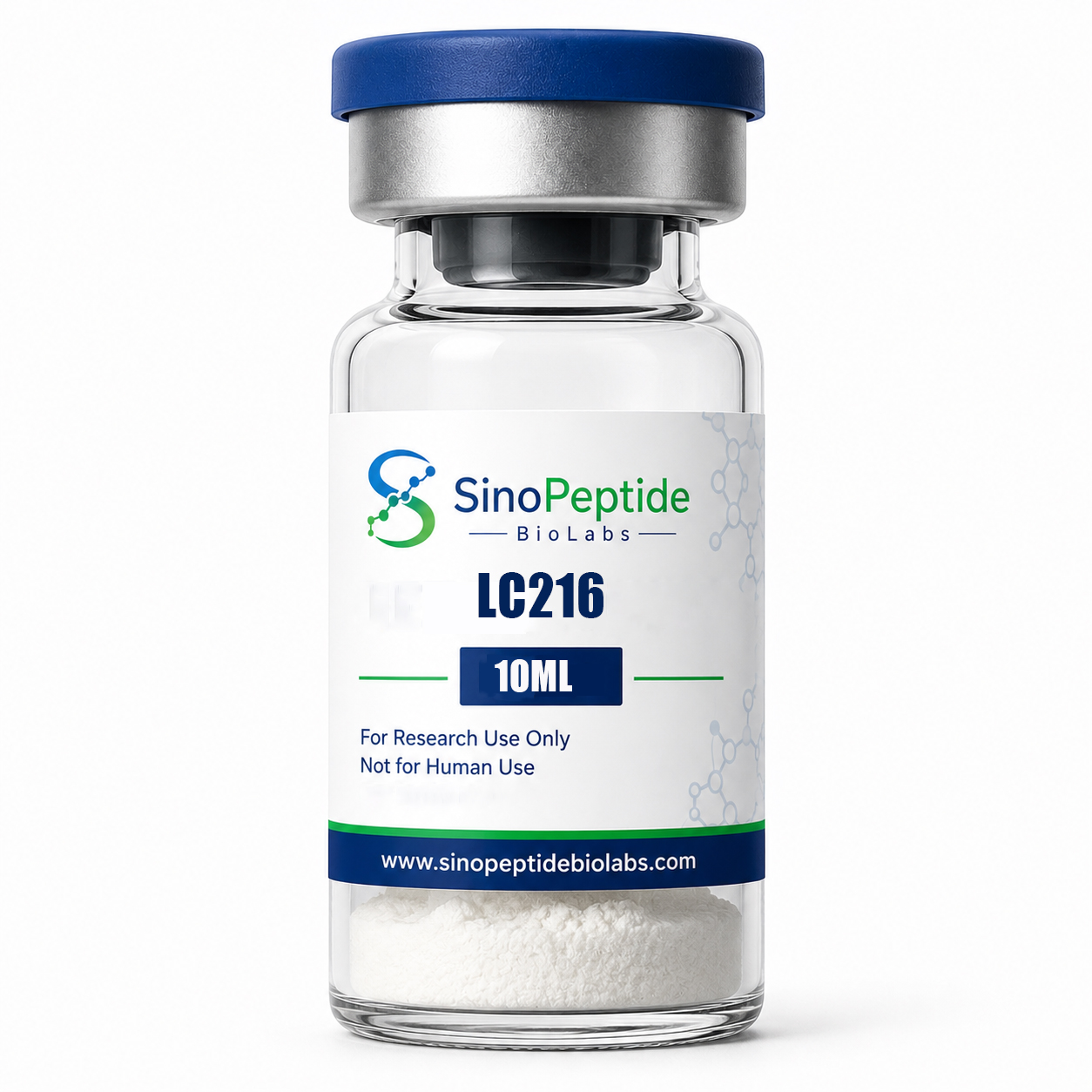
Lipo C with Vitamins B12 10ml
$100.00
10 Vials/ Kits
Lipo C with Vitamins B12 10ml: Ingredients, Benefits, Research & Safety
Introduction to Lipo C with Vitamins B12 10ml
Lipo C with Vitamins B12 10ml is a term commonly used for injectable formulations combining vitamin B12 with lipotropic compounds. Depending on the manufacturer or compounding pharmacy, a Lipo C formulation may contain ingredients such as methionine, inositol, choline, and vitamin B12, although the exact composition and concentrations can differ substantially between products.
This distinction is important.
“Lipo C” is not a single standardized pharmaceutical formulation with one universally fixed ingredient list. A product labeled Lipo C should therefore be evaluated according to its actual ingredient label, concentration, manufacturer, formulation, and quality documentation.
Lipotropic compounds have long been associated with pathways involved in lipid metabolism and liver function. Methionine, choline, and inositol are nutrients or nutrient-related compounds that have been studied in metabolic and nutritional research. Vitamin B12, meanwhile, is an essential vitamin involved in neurological function, red blood cell formation, and DNA synthesis.
The popularity of Lipo C injections is often connected with claims about:
- metabolism,
- energy,
- weight management,
- fat metabolism,
- and nutritional support.
However, these claims should be presented carefully. Evidence concerning individual ingredients does not necessarily establish that a particular injectable Lipo C formulation causes weight loss or produces other guaranteed outcomes.
Research on dietary lipotropes has identified compounds such as choline, betaine, myo-inositol, methionine, and carnitine as relevant to lipid metabolism, but a major review noted that human intervention evidence specifically demonstrating a broad “lipotropic” effect remains limited.
This article explains what Lipo C with Vitamins B12 10ml is, how its commonly used ingredients relate to metabolism, what the research says, and what consumers should know about product quality and safety.
What Is Lipo C with Vitamins B12?
Lipo C with Vitamins B12 generally refers to a lipotropic vitamin formulation containing vitamin B12 and one or more compounds associated with lipid or methyl-group metabolism.
Many formulations marketed as Lipo C use some combination of:
- Methionine
- Inositol
- Choline
- Vitamin B12
The abbreviation MIC is commonly used to describe methionine, inositol, and choline.
When vitamin B12 is included, a formulation may be described as:
- MIC + B12
- Lipo MIC
- Lipo C with B12
- Lipotropic B12
- MIC/B12 injection
However, terminology varies between manufacturers.
FDA records provide examples of compounded products containing combinations such as methionine, inositol, choline, and methylcobalamin, demonstrating that these ingredients have been used together in compounded injectable formulations.
That does not mean every product called “Lipo C” has the same formulation.
For SEO and product accuracy, the exact label should always take precedence over generic terminology.
What Does Lipo C 10ml Mean?
The 10ml designation refers to the volume of liquid contained in the vial or container.
It does not describe:
- the amount of each active ingredient,
- the concentration of vitamin B12,
- the amount of methionine,
- the amount of inositol,
- the amount of choline,
- or a recommended dose.
For example, two 10ml Lipo C products could contain different concentrations and therefore should not be assumed to be equivalent.
A product page should clearly distinguish between:
Volume: 10ml
and
Ingredient concentration: The amount of each component per ml, as specified on the product label.
This is particularly important for injectable products.
Common Ingredients in Lipo C Formulations
Methionine
Methionine is an essential sulfur-containing amino acid.
It participates in several important biochemical pathways, including methyl-group metabolism and the synthesis of other sulfur-containing compounds.
Methionine is also involved in the production of S-adenosylmethionine (SAMe), a major methyl donor in biological systems.
Because of these functions, methionine has been studied in relation to:
- methylation,
- amino-acid metabolism,
- liver physiology,
- antioxidant pathways,
- and cellular metabolism.
Its inclusion in lipotropic formulations is associated with the traditional concept of supporting lipid metabolism.
However, the presence of methionine in an injectable product should not be interpreted as proof that the formulation causes fat loss.
Inositol
Inositol is a naturally occurring carbohydrate-like compound involved in cellular signaling.
Myo-inositol is the form most commonly discussed in nutritional and metabolic research.
Inositol participates in phosphatidylinositol signaling pathways and has been investigated in relation to:
- insulin signaling,
- metabolic health,
- reproductive health,
- and body composition.
Clinical research has investigated oral inositol supplementation in several populations.
A systematic review and meta-analysis of controlled clinical trials reported an association between inositol supplementation and modest reductions in BMI, but the researchers also identified substantial heterogeneity between studies.
More recent research has continued to investigate these relationships, although evidence quality varies according to the population, formulation, dose, and outcome measured.
Importantly, evidence involving oral inositol supplementation cannot automatically be applied to an injectable Lipo C formulation.
Choline
Choline is an essential nutrient with several important physiological functions.
It contributes to:
- phospholipid synthesis,
- cell membrane structure,
- neurotransmitter production,
- methyl-group metabolism,
- and normal liver function.
Choline is particularly relevant to lipid metabolism because phosphatidylcholine is an important component of cell membranes and lipoproteins.
Choline deficiency can affect liver lipid metabolism.
However, this does not mean that providing additional choline to a person who already has adequate nutritional status necessarily produces substantial fat loss.
The scientific distinction between correcting a nutrient deficiency and producing a pharmacological weight-loss effect is important.
Vitamin B12
Vitamin B12 is an essential water-soluble vitamin.
It plays important roles in:
- red blood cell formation,
- DNA synthesis,
- neurological function,
- and normal cellular metabolism.
Vitamin B12 is naturally found in animal-derived foods and is also available through supplements and fortified foods.
Some people are at greater risk of vitamin B12 deficiency, including individuals with certain gastrointestinal conditions, people who have undergone some gastrointestinal surgeries, and people taking certain medications that interfere with B12 absorption.
Vitamin B12 supplementation can be medically appropriate when deficiency exists or when supplementation is otherwise clinically indicated.
However, vitamin B12 is not inherently a weight-loss medication.
If a person has normal B12 status, taking additional B12 should not automatically be expected to cause fat loss.
Why Is Vitamin B12 Added to Lipo C?
Vitamin B12 is commonly included in Lipo C-style formulations because of its recognized role in normal metabolism and neurological and hematological function.
Marketing sometimes describes B12 injections as providing an “energy boost.”
A more scientifically precise explanation is that vitamin B12 is necessary for normal cellular metabolism, but supplementation does not necessarily increase energy beyond normal physiological levels in people who already have adequate B12.
When B12 deficiency is present, correcting the deficiency can address associated symptoms and physiological abnormalities.
This is different from claiming that B12 itself functions as a stimulant or direct fat-burning ingredient.
What Are Lipotropic Compounds?
The term lipotropic generally refers to substances associated with lipid metabolism or the movement and processing of fats.
Commonly discussed lipotropic nutrients include:
- choline,
- methionine,
- inositol,
- betaine,
- and carnitine.
A scientific review of plant-derived lipotropes identified several of these compounds as relevant to lipid metabolism but also noted that evidence from human intervention studies is limited.
Therefore, the term “lipotropic” should not be interpreted as synonymous with “fat burner.”
A lipotropic compound may participate in biochemical processes involving lipids without producing clinically meaningful weight loss.
Lipo C and Metabolism
Metabolism refers to the network of chemical reactions that maintain life and allow cells to produce and use energy.
Several Lipo C ingredients have established roles in metabolic pathways.
Methionine
Participates in amino-acid and methylation pathways.
Inositol
Participates in cellular signaling pathways.
Choline
Supports phospholipid and methyl-group metabolism.
Vitamin B12
Supports DNA synthesis, red blood cell production, and neurological function.
Because these nutrients are involved in metabolism, Lipo C products are sometimes marketed as “metabolism support.”
That description should not be exaggerated into claims that the product dramatically increases metabolic rate.
Lipo C and Weight Loss
Weight loss is one of the most common reasons consumers search for Lipo C.
However, the evidence needs to be carefully interpreted.
A formulation containing methionine, inositol, choline, and vitamin B12 may have ingredients that participate in normal metabolic processes, but this does not establish that the injectable combination independently causes clinically meaningful weight loss.
Research on individual ingredients may show different results.
For example, clinical trials and meta-analyses have investigated oral inositol supplementation and anthropometric outcomes, but the findings have limitations, including heterogeneity and differences in study populations and interventions.
Therefore, responsible SEO content should avoid claims such as:
- “guaranteed fat loss,”
- “melts belly fat,”
- “burns fat instantly,”
- “causes rapid weight loss,”
- or “clinically proven fat-burning injection”
unless a specific formulation has appropriate clinical evidence supporting the claim.
Lipo C and Energy
Energy-related claims are another major part of Lipo C marketing.
Vitamin B12 is essential for normal cellular metabolism, and deficiency can cause fatigue and neurological or hematological problems.
However, people who already have adequate B12 do not necessarily experience an energy increase from receiving additional B12.
The scientifically defensible position is that B12 supports normal metabolic and neurological function, while correction of B12 deficiency may address deficiency-related problems.
This is more accurate than describing B12 as a universal energy enhancer.
Lipo C and Liver Metabolism
The liver plays a central role in lipid and nutrient metabolism.
Choline is particularly relevant to liver physiology because it is required for normal phospholipid metabolism.
Methionine is also involved in methylation and sulfur-amino-acid metabolism.
These biological roles have contributed to the historical use of “lipotropic” terminology.
However, Lipo C should not be marketed as a treatment for liver disease unless the specific product and indication have been evaluated and authorized for that purpose.
People with suspected liver disease should receive appropriate medical evaluation rather than relying on nutritional injections.
Lipo C and Fat Metabolism
The body stores, mobilizes, transports, and oxidizes fatty acids through highly regulated biochemical pathways.
Lipotropic nutrients can participate in some of these processes.
However, increasing the availability of one nutrient does not necessarily override the body’s broader energy-regulation systems.
Body fat changes depend on multiple factors, including:
- energy intake,
- energy expenditure,
- hormonal regulation,
- sleep,
- physical activity,
- genetics,
- medications,
- and underlying health conditions.
Consequently, Lipo C should not be represented as a standalone solution for obesity or excess body fat.
Lipo C vs. Standard Vitamin B12
Lipo C with B12 and a standard vitamin B12 injection are not necessarily equivalent.
A standard B12 product may contain a single cobalamin form such as:
- cyanocobalamin,
- hydroxocobalamin,
- or methylcobalamin.
A Lipo C formulation may combine B12 with other compounds such as methionine, inositol, and choline.
The purpose and composition are therefore different.
Consumers should check the actual ingredient list rather than assuming that all injectable B12 products have the same formulation.
Lipo C vs. MIC Injection
The terms Lipo C and MIC injection are sometimes used interchangeably.
MIC usually refers to:
M — Methionine
I — Inositol
C — Choline
A Lipo C product may contain these three ingredients plus vitamin B12.
However, there is no universal requirement that every product marketed under the name “Lipo C” contain exactly the same ingredients or concentrations.
For this reason, the product label and certificate of analysis, where applicable, are more reliable than the product name alone.
Research on Lipotropic Nutrients
Research into lipotropic compounds has existed for decades.
Scientific interest has focused on how nutrients such as choline, methionine, and inositol participate in:
- hepatic lipid metabolism,
- methylation,
- cell membrane synthesis,
- cellular signaling,
- and nutrient metabolism.
A review of dietary lipotropes concluded that several nutrients have plausible biological relationships with lipid metabolism, while emphasizing that human intervention evidence remains limited in some areas.
This provides useful context for Lipo C products.
The biological activity of individual nutrients is real, but the clinical effect of a particular injectable combination must be evaluated separately.
Is Lipo C FDA Approved?
There is no single FDA-approved drug category called “Lipo C.”
Many products marketed as Lipo C or MIC/B12 are compounded formulations.
FDA states that compounded drugs are not FDA-approved, meaning the agency does not review their safety, effectiveness, or quality before they are marketed.
FDA records have also documented compounded products containing combinations of methionine, inositol, choline, and methylcobalamin.
Therefore, a website should not state that a particular Lipo C 10ml product is FDA-approved unless there is specific regulatory documentation establishing that status.
Why Product Quality Matters for Injectable Lipo C
Injectable products require greater attention to quality than ordinary oral nutritional supplements.
A product intended for injection should be manufactured and tested under appropriate sterile conditions.
Potential quality concerns can include:
- microbial contamination,
- endotoxins,
- incorrect ingredient concentrations,
- incorrect labeling,
- degradation,
- impurities,
- and inadequate sterility assurance.
FDA has emphasized that components used to produce sterile drugs must be appropriate for sterile compounding because contamination with microbes or endotoxins can cause patient harm.
This makes supplier transparency and manufacturing controls important considerations.
Certificate of Analysis for Lipo C 10ml
A Certificate of Analysis (COA) can provide batch-specific analytical information.
Depending on the supplier, documentation may include:
- product name,
- batch number,
- manufacturing date,
- expiration date,
- ingredient testing,
- concentration,
- identity testing,
- purity,
- and microbiological testing.
However, not every COA provides the same information.
A high-quality COA should be traceable to the specific batch being sold.
FDA also emphasizes the importance of knowing the source and quality of active pharmaceutical ingredients and excipients used in compounded products, including appropriate supplier qualification and valid certificates of analysis.
Lipo C 10ml: Product Information to Check
Before publishing or purchasing a Lipo C 10ml product, the following information should be clearly documented:
1. Exact Ingredient List
Identify every active ingredient.
2. Concentration
State how much of each ingredient is present per ml.
3. Total Volume
Confirm that the vial contains 10ml.
4. B12 Form
Specify whether the formulation contains cyanocobalamin, methylcobalamin, hydroxocobalamin, or another cobalamin form.
5. Batch Information
The batch or lot number should be traceable.
6. Quality Documentation
Where applicable, provide a verifiable COA.
7. Manufacturer Information
The responsible manufacturer or compounding facility should be identifiable.
8. Storage Information
Use the manufacturer’s validated storage instructions rather than generic assumptions.
Lipo C Safety Considerations
The safety of a Lipo C product depends on its ingredients, concentrations, formulation, manufacturing process, route of administration, and the health of the individual receiving it.
Possible concerns with injectable products include:
- injection-site reactions,
- allergic reactions,
- contamination,
- dosing errors,
- ingredient interactions,
- and adverse reactions to individual components.
Vitamin B12 itself is generally considered safe when appropriately used, but injectable products can introduce risks that do not apply to ordinary oral supplements.
For compounded products, FDA emphasizes that lack of FDA approval means the agency has not reviewed their safety, effectiveness, or quality before marketing.
Who May Need Vitamin B12?
Vitamin B12 supplementation can be medically important for people with confirmed or suspected deficiency.
Risk factors can include:
- inadequate dietary intake,
- malabsorption disorders,
- certain gastrointestinal surgeries,
- pernicious anemia,
- and certain medications.
The appropriate form and route of supplementation depend on the underlying cause and clinical circumstances.
Lipo C should therefore not be promoted as a universal replacement for medical evaluation of B12 deficiency.
Lipo C and Nutrition
It is important to distinguish injectable nutritional products from a healthy diet.
Methionine, choline, and inositol-related nutrients can be obtained through food.
Sources of choline, for example, include:
- eggs,
- meat,
- fish,
- dairy products,
- legumes,
- and certain vegetables.
Vitamin B12 is naturally found primarily in animal-derived foods and is also available in fortified foods and supplements.
Nutritional status is therefore an important part of metabolic health.
A vitamin injection cannot replace a balanced diet, adequate physical activity, appropriate sleep, or medical treatment for an underlying disease.
Common Misconceptions About Lipo C
Myth 1: Lipo C Automatically Burns Fat
There is not sufficient evidence to describe every Lipo C formulation as a proven fat-burning medication.
Myth 2: Vitamin B12 Is a Fat Burner
Vitamin B12 supports normal metabolism, but this does not mean additional B12 automatically causes fat loss.
Myth 3: Every Lipo C Product Has the Same Ingredients
Formulations can vary. The actual label should be checked.
Myth 4: 10ml Means a Specific Dose
10ml describes volume, not dosage.
Myth 5: Lipo C Is Automatically FDA Approved
Compounded Lipo C products are not automatically FDA-approved. FDA states that compounded drugs are not FDA-approved.
Frequently Asked Questions About Lipo C with Vitamins B12 10ml
What is Lipo C with Vitamins B12 10ml?
Lipo C with Vitamins B12 10ml generally refers to a 10ml injectable formulation containing vitamin B12 and one or more lipotropic compounds. Common formulations may include methionine, inositol, and choline, but the exact ingredients and concentrations vary.
What does Lipo C stand for?
Lipo C is commonly used as a marketing or formulation term for lipotropic preparations. In many MIC-style products, the “C” refers to choline, while vitamin B12 may be added separately.
What is MIC in Lipo C?
MIC commonly stands for methionine, inositol, and choline.
Does Lipo C contain vitamin B12?
Many Lipo C formulations contain vitamin B12, but not every product has the same composition. The exact label should be checked.
What does the 10ml mean?
The 10ml designation refers to the total volume of liquid in the vial. It does not describe the amount of each active ingredient or a recommended dose.
Does Lipo C help with weight loss?
Lipo C products are commonly marketed for weight management, but evidence supporting weight loss from a particular injectable Lipo C formulation is limited. Research involving individual nutrients such as inositol should not automatically be interpreted as evidence for every Lipo C injection.
Does vitamin B12 give you energy?
Vitamin B12 is essential for normal cellular and neurological function. Correcting B12 deficiency can improve deficiency-related problems, but additional B12 does not necessarily produce an energy boost in people who already have adequate levels.
Is Lipo C FDA approved?
There is no universal FDA-approved product category called Lipo C. Many Lipo C/MIC-B12 products are compounded, and FDA states that compounded drugs are not FDA-approved.
What ingredients are usually found in Lipo C?
Commonly marketed ingredients include methionine, inositol, choline, and vitamin B12. Formulations vary, so the manufacturer’s ingredient label should always be checked.
Is Lipo C the same as a B12 injection?
No. A standard B12 injection may contain only a cobalamin ingredient, while Lipo C formulations can contain B12 together with lipotropic compounds.
What should I look for when evaluating Lipo C 10ml?
Check the complete ingredient list, concentration of each ingredient, vial volume, batch information, manufacturer details, expiration date, and appropriate quality documentation such as a verifiable COA where available.
Final Thoughts on Lipo C with Vitamins B12 10ml
Lipo C with Vitamins B12 10ml is commonly used to describe a 10ml injectable formulation combining vitamin B12 with lipotropic compounds such as methionine, inositol, and choline.
The individual ingredients have established biological roles.
Methionine participates in amino-acid and methylation pathways. Choline is important for phospholipid and methyl-group metabolism. Inositol participates in cellular signaling. Vitamin B12 is essential for normal neurological function, DNA synthesis, and red blood cell formation.
These biological functions help explain why Lipo C formulations have attracted interest in nutritional and metabolic settings.
However, it is important to distinguish biological function from proven clinical outcomes.
Research into lipotropic nutrients does not establish that every Lipo C injection produces weight loss or directly increases fat burning. Evidence involving oral nutritional supplements also cannot automatically be transferred to an injectable combination with different concentrations and pharmacokinetics. Reviews of lipotropic compounds have specifically noted limitations in human intervention evidence.
Product quality is another major consideration.
FDA states that compounded drugs are not FDA-approved and are not reviewed for safety, effectiveness, or quality before marketing. FDA has also emphasized the importance of appropriate ingredients and quality controls for sterile compounded products because microbial and endotoxin contamination can pose serious risks.
For that reason, a high-quality Lipo C 10ml product page should clearly disclose the exact formulation, ingredient concentrations, batch information, manufacturer, and available quality documentation rather than relying on broad claims such as “fat-burning injection” or “instant metabolism booster.”
For search visibility, the strongest content strategy is to provide useful information around Lipo C with Vitamins B12 10ml, MIC ingredients, vitamin B12, lipotropic compounds, metabolic research, product quality, safety, and regulatory considerations.
This provides readers with meaningful information while keeping the product description scientifically responsible and transparent.
Medical & Research Disclaimer: This article is intended for educational and informational purposes only. It does not constitute medical advice, diagnosis, treatment, dosing instructions, or instructions for self-administration. Lipo C formulations can differ substantially in their ingredients and concentrations. Compounded injectable products are not automatically FDA-approved, and product-specific safety, quality, and effectiveness should be established through appropriate regulatory, manufacturing, and clinical documentation. Consult an appropriately qualified healthcare professional for individual medical decisions.
Lipo C with Vitamins B12 10ml Lipo C with Vitamins B12 10ml Lipo C with Vitamins B12 10ml Lipo C with Vitamins B12 10ml Lipo C with Vitamins B12 10ml Lipo C with Vitamins B12 10ml Lipo C with Vitamins B12 10ml Lipo C with Vitamins B12 10ml Lipo C with Vitamins B12 10ml Lipo C with Vitamins B12 10ml Lipo C with Vitamins B12 10ml Lipo C with Vitamins B12 10ml Lipo C with Vitamins B12 10ml Lipo C with Vitamins B12 10ml Lipo C with Vitamins B12 10ml Lipo C with Vitamins B12 10ml Lipo C with Vitamins B12 10ml Lipo C with Vitamins B12 10ml Lipo C with Vitamins B12 10ml Lipo C with Vitamins B12 10ml Lipo C with Vitamins B12 10ml Lipo C with Vitamins B12 10ml Lipo C with Vitamins B12 10ml Lipo C with Vitamins B12 10ml Lipo C with Vitamins B12 10ml Lipo C with Vitamins B12 10ml Lipo C with Vitamins B12 10ml Lipo C with Vitamins B12 10ml Lipo C with Vitamins B12 10ml Lipo C with Vitamins B12 10ml Lipo C with Vitamins B12 10ml Lipo C with Vitamins B12 10ml
Be the first to review “Lipo C with Vitamins B12 10ml”
Related products
Pure Peptides
Pure Peptides
Pure Peptides
Pure Peptides
Pure Peptides
Pure Peptides
Pure Peptides
Pure Peptides
Reviews
There are no reviews yet.