

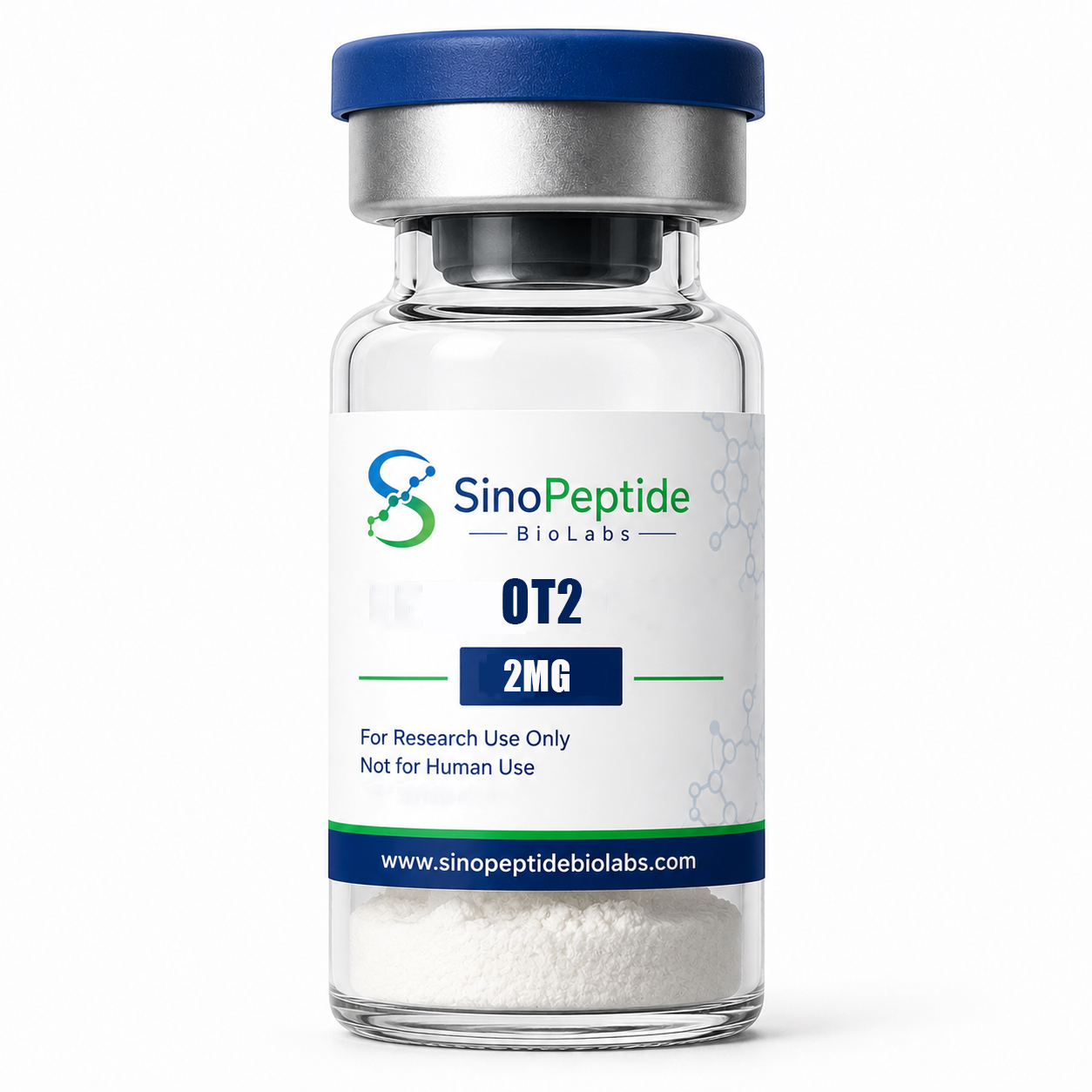
Oxytocin Acetate 2mg
$35.00
10 Vials/Kits
Oxytocin Acetate 2mg: Uses, Mechanism, Safety, Dosage & Research
Oxytocin Acetate 2mg: An Evidence-Based Overview
Oxytocin is a naturally occurring peptide hormone with important roles in reproductive physiology, childbirth, lactation, and social behavior. Synthetic oxytocin is also an established prescription medicine used in obstetric care, particularly when clinicians need to stimulate uterine contractions or reduce the risk of postpartum hemorrhage.
The phrase “Oxytocin Acetate 2mg” may be used in product listings or research-oriented contexts, but there is an important terminology issue to understand: approved injectable oxytocin products are generally labeled according to their oxytocic activity in international units (IU) rather than simply being described as a 2 mg dose. For example, current U.S. DailyMed labeling describes certain oxytocin injections as having an activity equivalent to 10 USP Oxytocin Units per mL.
For this reason, the exact formulation, concentration, salt designation, quantity, and intended use should always be verified from the manufacturer’s official product label or certificate of analysis rather than assuming that a stated “2mg” quantity corresponds to a standard clinical oxytocin dose.
This article explains what oxytocin is, how it works, its established medical applications, safety considerations, and why the Oxytocin Acetate 2mg terminology should be interpreted carefully.
What Is Oxytocin?
Oxytocin is a peptide hormone produced naturally in the body. It is synthesized primarily in the hypothalamus and released from the posterior pituitary gland.
The hormone has several physiological functions, particularly involving the reproductive system.
During labor, oxytocin acts on the uterus and promotes rhythmic contractions. After delivery, uterine contraction helps compress blood vessels at the placental site, contributing to the reduction of postpartum bleeding.
Synthetic oxytocin has pharmacological properties similar to naturally occurring oxytocin and is used clinically under appropriate medical supervision. U.S. product labeling describes synthetic oxytocin as acting primarily on uterine smooth muscle, especially near the end of pregnancy, during labor, and immediately after delivery.
Oxytocin is therefore fundamentally different from many experimental peptides marketed online for general wellness or anti-aging purposes. It is an established pharmacological agent with specific clinical indications and potentially serious risks when administered incorrectly.
What Does Oxytocin Acetate 2mg Mean?
The term Oxytocin Acetate 2mg appears to describe a quantity of oxytocin-associated material expressed in milligrams. However, the terminology requires careful interpretation.
Oxytocin injectable medicines are commonly standardized using international units, because the biological activity of the hormone is more clinically relevant than simply its mass.
For example, one current DailyMed oxytocin injection label states that each milliliter contains oxytocic activity equivalent to 10 USP Posterior Pituitary Units. Another current label describes synthetic oxytocin as having an activity equivalent to 10 USP Oxytocin Units per mL.
Therefore, a product described online as “Oxytocin Acetate 2mg” should not automatically be interpreted as equivalent to a particular clinical dose of oxytocin.
Important terminology considerations
Before using or describing a product, verify:
- The exact active ingredient
- The chemical or pharmaceutical form
- Total quantity
- Concentration
- Biological activity in IU or USP units where applicable
- Route of administration
- Sterility status
- Manufacturer
- Batch or lot information
- Intended clinical or research use
- Storage requirements
These details are especially important for injectable products.
How Does Oxytocin Work?
Oxytocin works by binding to oxytocin receptors, which are present in tissues including the uterus and mammary glands.
When oxytocin binds to receptors on uterine smooth muscle cells, it activates intracellular signaling pathways that increase intracellular calcium. This promotes contraction of the uterine muscle.
The effect is particularly significant during late pregnancy and labor, when uterine responsiveness to oxytocin increases.
Oxytocin also plays an important role in lactation. Stimulation of oxytocin release during breastfeeding causes contraction of specialized cells surrounding the milk-producing structures of the breast, helping move milk toward the ducts. This is commonly referred to as the milk-ejection or let-down reflex.
The pharmacological action of synthetic oxytocin reflects these physiological functions.
Oxytocin and Uterine Contractions
One of the most important clinical effects of oxytocin is stimulation of uterine contractions.
During labor, contractions help the cervix dilate and allow the fetus to progress through the birth canal.
When medically indicated, synthetic oxytocin may be used to induce labor or strengthen uterine contractions under appropriate clinical supervision.
However, oxytocin is not appropriate for every pregnancy or every labor situation. The decision to use it depends on factors such as maternal health, fetal condition, gestational age, cervical status, fetal position, and the presence or absence of contraindications.
Because excessive uterine stimulation can cause serious complications, oxytocin administration during labor requires appropriate monitoring.
The current U.S. labeling states that when oxytocin is used for induction or stimulation of labor, it should be administered intravenously with adequate medical supervision in a hospital setting.
Oxytocin for Labor Induction
One established medical application of synthetic oxytocin is medically indicated induction of labor.
Labor induction means intentionally initiating uterine contractions before spontaneous labor begins.
Oxytocin may be considered when there is a medical reason for delivery and the clinical team determines that induction is appropriate.
Examples of circumstances in which labor induction may be considered include certain maternal or fetal conditions. However, the precise indication depends on the patient’s individual circumstances and clinical guidelines.
Importantly, oxytocin should not be viewed as a general-purpose method for elective labor induction without medical indication.
Current product labeling specifically distinguishes medical induction from elective induction and notes that available data may be inadequate to establish the benefit-risk balance for elective induction in an otherwise uncomplicated term pregnancy.
Oxytocin and Postpartum Hemorrhage
Another major clinical application of oxytocin is the prevention of postpartum hemorrhage (PPH).
Postpartum hemorrhage can occur when the uterus does not contract adequately after delivery. This condition can result in significant blood loss and requires prompt medical management.
Oxytocin stimulates uterine contraction. After delivery, these contractions help compress blood vessels at the placental attachment site.
The World Health Organization recommends a quality-assured uterotonic for prevention of postpartum hemorrhage and identifies oxytocin as one of the recommended options. Its consolidated 2025 guidance recommends oxytocin at 10 IU intramuscularly or intravenously for prevention of postpartum hemorrhage in appropriate settings.
WHO guidance also emphasizes that the choice and administration of uterotonics should occur within appropriate clinical systems and with trained healthcare personnel for injectable agents.
This is an important distinction for SEO content: oxytocin’s established benefits relate to specific medical indications rather than general wellness or unrestricted self-administration.
Oxytocin and Postpartum Uterine Tone
After the placenta is delivered, the uterus normally contracts.
These contractions are physiologically important because they reduce blood flow from the placental attachment site.
When the uterus remains excessively relaxed, a condition known as uterine atony, significant postpartum bleeding can occur.
Oxytocin is therefore widely used in obstetric practice to promote adequate uterine contraction following childbirth.
WHO describes uterotonics such as oxytocin as medicines that increase uterine tone and contractions, thereby helping reduce blood loss following delivery.
Oxytocin and Breastfeeding
Oxytocin also has a natural role in breastfeeding.
When an infant suckles, sensory signals stimulate neuroendocrine pathways that promote oxytocin release.
Oxytocin then causes contraction of myoepithelial cells surrounding mammary alveoli. This helps move milk into the duct system.
This process is known as the milk-ejection reflex.
Although oxytocin is sometimes discussed online in relation to breastfeeding, it is important to distinguish normal physiological oxytocin release from medical administration of synthetic oxytocin.
A pharmaceutical oxytocin product should not be used as a self-treatment for lactation difficulties without appropriate medical assessment.
Oxytocin and the Nervous System
Oxytocin is also involved in the central nervous system.
Research has investigated its possible roles in:
- Social behavior
- Maternal behavior
- Pair bonding
- Stress responses
- Emotional processing
- Social recognition
- Human interaction
These areas have generated considerable scientific interest.
However, research into oxytocin’s neurological and behavioral effects should not be confused with established therapeutic indications.
Evidence regarding oxytocin and complex behavioral or psychiatric conditions is considerably more nuanced than some online marketing claims suggest.
Consequently, an SEO article should avoid describing oxytocin as a proven treatment for anxiety, depression, autism, social disorders, or other neurological conditions unless a specific approved indication and appropriate clinical evidence are being discussed.
Oxytocin Acetate 2mg Benefits
When discussing Oxytocin Acetate 2mg benefits, it is important to separate established pharmacological effects from speculative or experimental claims.
The clinically established effects of oxytocin include:
1. Stimulating uterine contractions
Synthetic oxytocin can stimulate uterine smooth muscle and increase uterine contractions.
2. Supporting medically indicated labor induction
Under appropriate medical circumstances, oxytocin may be used to initiate labor.
3. Supporting uterine contraction after childbirth
Oxytocin can promote uterine tone following delivery.
4. Helping prevent postpartum hemorrhage
WHO recommends oxytocin as a uterotonic option for prevention of postpartum hemorrhage in appropriate settings.
5. Supporting the physiological milk-ejection mechanism
Naturally released oxytocin contributes to milk ejection during breastfeeding.
These benefits should not be expanded into unsupported claims about weight loss, anti-aging, muscle growth, fertility enhancement, or general wellness.
Is Oxytocin Acetate 2mg FDA Approved?
This question requires careful wording.
The FDA regulates specific drug products rather than approving every possible product description or internet listing using the words “Oxytocin Acetate 2mg.”
There are FDA-listed oxytocin injection products. DailyMed, the National Library of Medicine’s drug-label resource, provides labeling for prescription oxytocin injection products and identifies clinical uses, administration requirements, contraindications, and warnings.
However, the regulatory status of a specific product marketed under the exact name “Oxytocin Acetate 2mg” depends on its formulation, manufacturer, jurisdiction, labeling, and intended use.
Therefore, website content should not state that every product sold under this wording is FDA-approved.
For a particular product, verify its regulatory status using authoritative regulatory databases and the manufacturer’s documentation.
Oxytocin Acetate 2mg Dosage
Because oxytocin is a potent prescription medicine, dosage should not be generalized from a product’s milligram quantity.
Clinical oxytocin dosing is commonly expressed in international units, and administration depends on the indication and clinical setting.
For example, WHO’s postpartum hemorrhage prevention guidance uses 10 IU oxytocin in specific clinical circumstances. This does not mean that 10 IU is a universal oxytocin dose for every indication.
Labor induction and augmentation involve different clinical protocols and require individualized titration and monitoring.
For this reason, a website should avoid publishing a generic “2mg dosage” that could encourage self-administration.
The appropriate dose and administration method must be determined by a qualified healthcare professional using the exact product labeling and the patient’s clinical circumstances.
How Is Oxytocin Administered?
Clinical oxytocin products may be administered through specific medical routes depending on the indication and formulation.
Current labeling includes intravenous infusion and intramuscular use for certain oxytocin products.
However, route selection is not simply a matter of personal preference.
During labor induction or stimulation, product labeling requires appropriate intravenous administration and medical supervision.
For postpartum hemorrhage prevention, WHO provides recommendations for intramuscular or intravenous administration in appropriate clinical settings and provides context-specific guidance regarding intravenous administration when IV access is already available.
Therefore, oxytocin should be administered by trained healthcare personnel according to the product’s approved labeling and applicable clinical guidelines.
Oxytocin Acetate 2mg Safety
Safety is particularly important when discussing oxytocin.
Oxytocin is not a supplement and should not be treated as an ordinary wellness peptide.
Its effects on uterine contractions can be clinically beneficial when appropriately used, but excessive uterine stimulation can be dangerous.
Potential complications associated with inappropriate or excessive oxytocin exposure may include:
- Excessively frequent uterine contractions
- Prolonged uterine contractions
- Abnormal uterine activity
- Fetal distress
- Maternal complications
- Fluid and electrolyte disturbances in certain circumstances
- Cardiovascular effects
- Serious complications associated with inappropriate labor induction
Because of these risks, intravenous oxytocin during labor requires appropriate monitoring by trained medical personnel.
Oxytocin Contraindications
Certain clinical situations can make oxytocin inappropriate.
Product labeling lists contraindications including significant cephalopelvic disproportion, certain fetal malpositions, fetal distress when delivery is not imminent, hypertonic uterine patterns, hypersensitivity, and circumstances in which vaginal delivery is contraindicated.
The exact contraindications may depend on the indication and product labeling.
This is one reason why oxytocin should only be used following a clinical assessment.
Oxytocin Drug Interactions and Precautions
Oxytocin may require special consideration when used alongside other medicines or during certain obstetric situations.
The clinical team must consider:
- Other uterotonic medications
- Anesthetic agents
- Cardiovascular conditions
- Fluid balance
- Electrolyte status
- Pregnancy complications
- Fetal status
- Uterine activity
The potential for excessive uterine stimulation means that oxytocin administration should be carefully controlled.
Patients should provide their healthcare professional with a complete list of medications, supplements, and relevant medical conditions before treatment.
Oxytocin Acetate 2mg Side Effects
Side effects vary depending on the dose, route, indication, patient characteristics, and clinical setting.
Possible adverse effects can include:
- Nausea
- Vomiting
- Headache
- Abdominal discomfort
- Changes in blood pressure
- Excessive uterine contractions
- Abnormal uterine activity
- Cardiovascular effects
- Fluid and electrolyte disturbances in certain circumstances
Some adverse reactions can be serious.
During obstetric use, monitoring is essential because the desired therapeutic effect—uterine contraction—can become harmful if uterine activity becomes excessive.
Patients should seek immediate medical attention for severe or unexpected symptoms following administration.
Why Product Quality Matters
If a website is describing an Oxytocin Acetate 2mg product, product quality information should be presented carefully.
Important quality characteristics include:
Identity
The product should be correctly identified and appropriately labeled.
Potency
For oxytocin medicines, biological activity is clinically important. Product documentation should clearly identify the relevant unit of activity where applicable.
Sterility
Injectable products must meet appropriate sterility and quality requirements.
Purity
Analytical testing should support the stated identity and purity of the product.
Batch information
A legitimate pharmaceutical product should have appropriate batch or lot identification.
Storage
Oxytocin formulations can have specific storage requirements. Users should follow the manufacturer’s official instructions rather than generic internet recommendations.
Documentation
Depending on the product and intended use, relevant documentation may include a certificate of analysis, product specification, manufacturing information, and regulatory documentation.
These considerations are especially important when purchasing or evaluating injectable pharmaceutical products.
Oxytocin Acetate 2mg vs Natural Oxytocin
Natural oxytocin and pharmaceutical synthetic oxytocin are closely related in pharmacological action.
The body produces oxytocin naturally through the hypothalamic-pituitary system.
Synthetic oxytocin is manufactured for controlled medical use.
The difference is primarily the source and pharmaceutical formulation rather than the fundamental physiological target.
However, natural hormonal release occurs through highly regulated biological pathways, while pharmaceutical administration introduces oxytocin from an external source.
This is why medical administration requires appropriate dosing, monitoring, and clinical judgment.
Oxytocin vs Other Uterotonics
Oxytocin is one of several medicines used in the prevention or treatment of postpartum hemorrhage.
Depending on the clinical setting, alternatives or additional uterotonics can include:
- Carbetocin
- Misoprostol
- Ergometrine or methylergometrine
- Oxytocin-ergometrine combinations
WHO guidance identifies oxytocin as a recommended uterotonic for prevention of postpartum hemorrhage in appropriate settings and discusses alternative agents when oxytocin is unavailable or its quality cannot be guaranteed.
The choice depends on factors such as availability, patient characteristics, contraindications, local protocols, and medicine quality.
Oxytocin and Postpartum Hemorrhage Prevention: What the Evidence Shows
The evidence supporting oxytocin in postpartum hemorrhage prevention is substantially stronger than evidence for many experimental peptide applications.
WHO’s consolidated guidance reports that oxytocin is associated with reductions in postpartum hemorrhage, severe postpartum hemorrhage, blood transfusion, and use of additional uterotonics compared with placebo or no uterotonic in the prevention setting.
This established clinical evidence is one of the main reasons oxytocin remains an important medicine in obstetric care.
However, the evidence applies to defined clinical circumstances and should not be generalized to unrelated uses.
Is Oxytocin a Peptide?
Yes.
Oxytocin is a nonapeptide, meaning it consists of nine amino acid residues.
It is structurally related to vasopressin, another peptide hormone.
Despite being a peptide, oxytocin differs substantially from experimental peptide products marketed for research, bodybuilding, or longevity.
Its established clinical role is primarily associated with reproductive and obstetric medicine.
Is Oxytocin Acetate 2mg a Research Peptide?
The answer depends on the specific product.
Oxytocin itself is an established pharmaceutical hormone with recognized medical applications. It is therefore misleading to automatically classify every oxytocin product as an experimental research peptide.
At the same time, products marketed outside approved pharmaceutical channels may have different regulatory status, quality standards, intended uses, and labeling.
A website should clearly distinguish between:
Approved pharmaceutical oxytocin
and
products sold for research or non-approved applications.
The exact status should be verified using the product’s manufacturer, jurisdictional regulator, labeling, and documentation.
Oxytocin and Social Behavior Research
Beyond obstetrics, oxytocin has been studied extensively in neuroscience and behavioral science.
Researchers have investigated possible relationships between oxytocin and:
- Social recognition
- Attachment
- Maternal behavior
- Trust
- Stress
- Social interaction
- Emotional processing
These studies have contributed substantially to scientific understanding of oxytocin biology.
However, research findings do not automatically establish oxytocin as an approved treatment for social, psychiatric, or behavioral disorders.
This distinction is important for accurate medical SEO content.
Can Oxytocin Be Used for Anti-Aging?
Oxytocin has been investigated in several areas of aging biology and metabolic research.
However, it should not be marketed as an established anti-aging treatment.
Claims that oxytocin reverses biological aging, extends lifespan, regenerates tissues, or reliably improves age-related conditions require strong clinical evidence before they can be presented as established medical benefits.
For an evidence-based website, it is preferable to describe such topics as areas of scientific investigation rather than proven therapeutic applications.
Can Oxytocin Help With Weight Loss?
Oxytocin has attracted research interest in metabolism and appetite regulation.
Some experimental studies have investigated its potential effects on energy balance and metabolic pathways.
However, this does not establish oxytocin as an approved weight-loss medication.
A website should therefore avoid claims such as:
- “Oxytocin burns fat”
- “Oxytocin guarantees weight loss”
- “Oxytocin replaces GLP-1 drugs”
- “Oxytocin is a proven obesity treatment”
unless such claims are supported by appropriate regulatory approval and high-quality human clinical evidence.
Who Should Not Use Oxytocin Without Medical Supervision?
Oxytocin should not be self-administered.
Particular caution is required in pregnancy because inappropriate uterine stimulation can create serious risks for both the pregnant patient and fetus.
Product labeling identifies multiple obstetric situations in which oxytocin is contraindicated.
Anyone considering oxytocin should discuss its use with a qualified medical professional who can evaluate the indication, formulation, dose, route, contraindications, and monitoring requirements.
How to Store Oxytocin Products
Storage requirements depend on the specific formulation and manufacturer.
Rather than providing one universal storage temperature for every oxytocin product, users should follow the official product label and manufacturer documentation.
This is particularly important because injectable medicines may be sensitive to temperature, light, contamination, or inappropriate handling.
If a product has been stored outside its labeled conditions, a pharmacist or healthcare professional should be consulted before use.
How to Evaluate an Oxytocin Acetate 2mg Product
If you are researching a product marketed as Oxytocin Acetate 2mg, consider checking the following:
- Manufacturer identity
- Exact active ingredient
- Product concentration
- Units of biological activity
- Lot or batch number
- Expiration date
- Sterility information
- Certificate of analysis
- Storage conditions
- Regulatory status
- Intended use
- Official prescribing or product information
A product description that provides only “2mg” without explaining concentration, biological activity, formulation, manufacturer, or intended use may not provide enough information to evaluate the product safely.
Frequently Asked Questions About Oxytocin Acetate 2mg
What is Oxytocin Acetate 2mg?
Oxytocin Acetate 2mg is a product description referring to a stated quantity of oxytocin-related material. However, oxytocin pharmaceutical products are commonly characterized by biological activity in international or USP units, so the exact formulation should be confirmed from official product documentation.
What is oxytocin used for?
Synthetic oxytocin is used in obstetric medicine for specific indications, including medically indicated labor induction or stimulation and prevention of postpartum hemorrhage.
Is oxytocin a hormone?
Yes. Oxytocin is a naturally occurring peptide hormone produced by the hypothalamus and released by the posterior pituitary.
Is oxytocin a peptide?
Yes. Oxytocin is a nine-amino-acid peptide hormone known as a nonapeptide.
Does oxytocin cause uterine contractions?
Yes. Oxytocin acts on uterine smooth muscle and promotes rhythmic contractions, particularly during late pregnancy and labor.
Can oxytocin prevent postpartum hemorrhage?
Yes. WHO recommends oxytocin as a uterotonic option for prevention of postpartum hemorrhage in appropriate clinical settings.
Is Oxytocin Acetate 2mg the same as 10 IU of oxytocin?
The milligram amount should not automatically be equated with a particular IU value. Oxytocin products are commonly labeled according to biological activity, and the exact relationship depends on the formulation and product documentation.
Can oxytocin be self-injected?
Oxytocin should not be self-administered. Its use, especially during pregnancy and labor, requires appropriate medical assessment and supervision.
Is oxytocin FDA approved?
Specific oxytocin injection products have FDA-recognized labeling and are listed in U.S. drug-label resources such as DailyMed. However, the regulatory status of a specific product marketed as “Oxytocin Acetate 2mg” must be verified separately.
Does oxytocin help with breastfeeding?
Naturally produced oxytocin plays an important role in the milk-ejection reflex. Pharmaceutical oxytocin should not be used for breastfeeding problems without professional medical guidance.
Can oxytocin be used for weight loss?
Oxytocin has been investigated experimentally in metabolic research, but it should not be presented as an established weight-loss medicine.
Is oxytocin an anti-aging treatment?
No established clinical indication should be inferred from experimental aging research. Claims about anti-aging effects require appropriate human clinical evidence.
Final Perspective on Oxytocin Acetate 2mg
Oxytocin Acetate 2mg is a keyword that requires particularly careful medical and pharmaceutical terminology.
Oxytocin itself is a well-characterized peptide hormone and an established prescription medicine. Its most important clinical applications are in obstetric care, including medically indicated labor induction or stimulation and prevention of postpartum hemorrhage.
The World Health Organization continues to recommend oxytocin as an important uterotonic for postpartum hemorrhage prevention, while pharmaceutical labeling emphasizes that its administration—particularly during labor—requires appropriate medical supervision.
The most important SEO correction is to avoid treating 2mg as a universal oxytocin clinical dose. Oxytocin products are frequently described by biological activity in IU or USP units, and the exact formulation should be verified from official product information.
For a trustworthy pharmaceutical website, the strongest approach is to combine accurate terminology, evidence-based medical information, transparent product specifications, and clear safety warnings. This improves both user trust and the quality of the content from an E-E-A-T perspective.
Most importantly, oxytocin should be treated as a prescription medicine requiring professional assessment rather than as a general-purpose peptide or wellness product.
Medical disclaimer: This article is for educational and informational purposes only. It does not replace professional medical advice, diagnosis, prescribing information, or treatment from a qualified healthcare professional. Oxytocin should only be used according to appropriate medical guidance and the official labeling for the specific product.
Oxytocin Acetate 2mg Oxytocin Acetate 2mg Oxytocin Acetate 2mg Oxytocin Acetate 2mg Oxytocin Acetate 2mg Oxytocin Acetate 2mg Oxytocin Acetate 2mg Oxytocin Acetate 2mg Oxytocin Acetate 2mg Oxytocin Acetate 2mg Oxytocin Acetate 2mg Oxytocin Acetate 2mg Oxytocin Acetate 2mg Oxytocin Acetate 2mg Oxytocin Acetate 2mg Oxytocin Acetate 2mg Oxytocin Acetate 2mg Oxytocin Acetate 2mg Oxytocin Acetate 2mg Oxytocin Acetate 2mg Oxytocin Acetate 2mg Oxytocin Acetate 2mg Oxytocin Acetate 2mg Oxytocin Acetate 2mg Oxytocin Acetate 2mg Oxytocin Acetate 2mg Oxytocin Acetate 2mg Oxytocin Acetate 2mg Oxytocin Acetate 2mg
Be the first to review “Oxytocin Acetate 2mg”
Related products
Pure Peptides

Pure Peptides
Pure Peptides
Pure Peptides
Pure Peptides
Pure Peptides

Pure Peptides
Pure Peptides
Reviews
There are no reviews yet.