

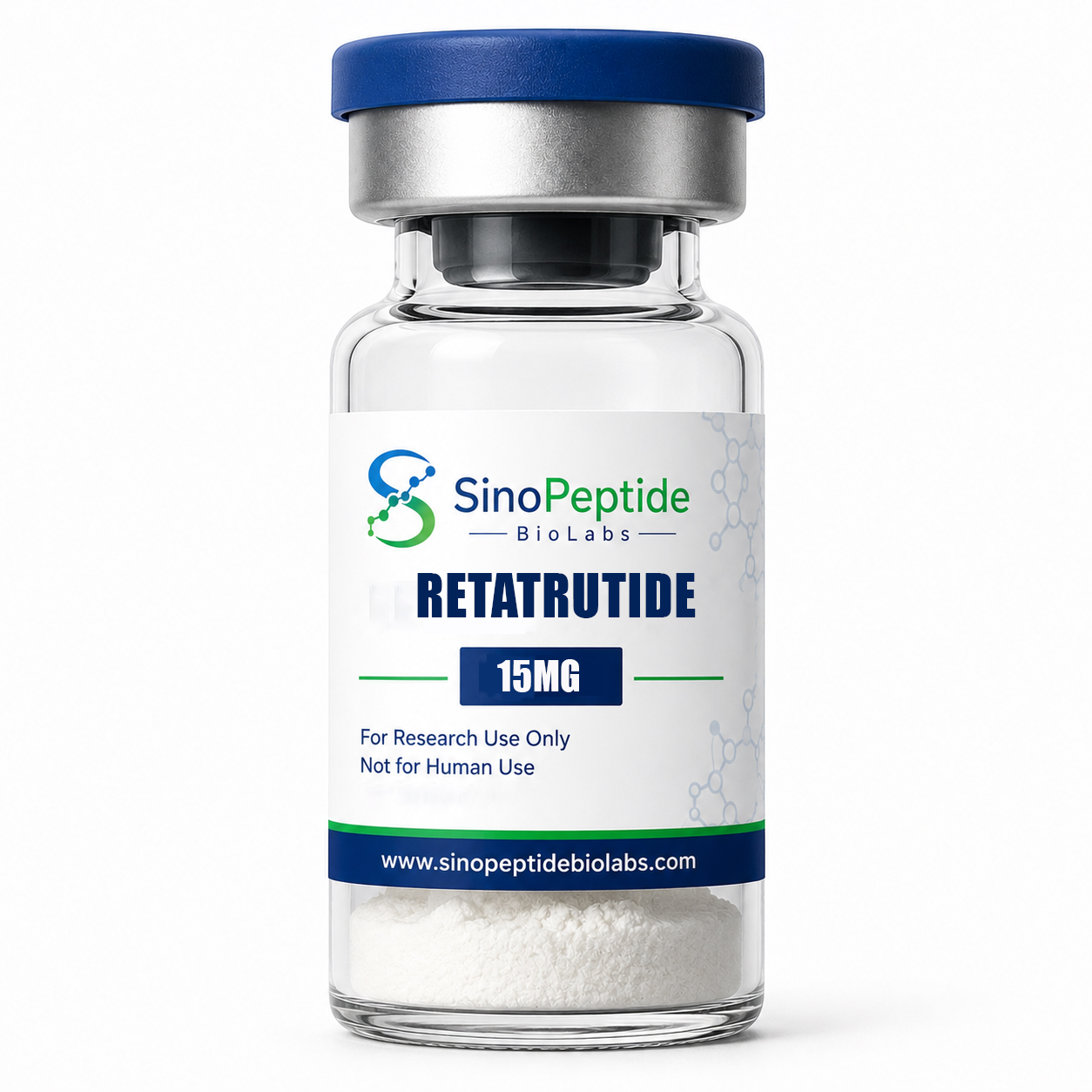
Retatrutide 15mg
$150.00
10Vials/ Kits
Retatrutide 15mg: Complete Research Peptide Guide, Mechanism, Clinical Research, Safety & Quality
Retatrutide 15mg is a product specification associated with retatrutide (LY3437943), an investigational peptide being developed by Eli Lilly. Retatrutide has become an important subject in metabolic research because it activates three hormone receptors involved in energy balance and glucose metabolism: GIP, GLP-1, and glucagon receptors.
Unlike conventional therapies that primarily target one metabolic receptor, retatrutide is designed as a triple hormone receptor agonist. Researchers are investigating how simultaneous activation of GIP, GLP-1, and glucagon pathways may affect body weight, appetite, glucose regulation, energy metabolism, and obesity-related complications.
The term Retatrutide 15mg generally describes the quantity associated with a product specification. It should not be interpreted as an FDA-approved dose or as evidence that 15mg is an established clinical treatment regimen.
This distinction is especially important because published clinical studies have evaluated retatrutide at several doses, including 1mg, 4mg, 8mg, 9mg, and 12mg. The Phase 3 programs reported by Lilly have used 4mg, 9mg, and 12mg studied doses. A 15mg product specification therefore should not be presented as though it were equivalent to a 15mg clinical-trial arm.
As of September 2026, retatrutide remains investigational. Lilly states that it has not been approved by any regulatory agency and is not available for public use outside clinical research. The FDA also states that retatrutide is not a component of an FDA-approved drug and cannot be used in compounding under federal law.
What Is Retatrutide 15mg?
Retatrutide 15mg refers to a product labeled as containing 15 milligrams of retatrutide research material.
Retatrutide itself is a synthetic peptide-based investigational molecule known by the development code LY3437943.
Its defining pharmacological characteristic is activity at three receptors:
- Glucose-dependent insulinotropic polypeptide receptor (GIPR)
- Glucagon-like peptide-1 receptor (GLP-1R)
- Glucagon receptor (GCGR)
For this reason, retatrutide is commonly described as a:
GIP + GLP-1 + glucagon triple agonist
The 15mg designation refers to the quantity of material. It does not establish:
- A recommended human dose
- A weekly treatment dose
- An FDA-approved dose
- A maintenance dose
- A starting dose
- A proven therapeutic dose
A well-optimized SEO product page should make this distinction clear rather than using “15mg” as a synonym for a clinical regimen.
Retatrutide and LY3437943
Retatrutide is the generic development name associated with LY3437943.
The molecule was developed to combine three metabolic signaling pathways in a single compound.
GIP, GLP-1, and glucagon each have different physiological functions. Retatrutide’s research significance comes from attempting to combine these activities within one molecule.
This makes retatrutide different from traditional single-receptor approaches and from dual GIP/GLP-1 receptor agonists.
How Does Retatrutide Work?
Retatrutide’s mechanism involves simultaneous activation of three hormone receptors.
GIP Receptor Activity
GIP stands for glucose-dependent insulinotropic polypeptide.
GIP is an incretin hormone associated with nutrient-dependent metabolic signaling. GIP receptor activation can influence insulin secretion and other metabolic processes.
Researchers are studying whether GIP activity can complement GLP-1 receptor activity in multi-receptor metabolic treatments.
GLP-1 Receptor Activity
GLP-1, or glucagon-like peptide-1, plays an important role in glucose and appetite regulation.
GLP-1 receptor signaling is associated with:
- Glucose-dependent insulin secretion
- Regulation of glucagon secretion
- Appetite-related signaling
- Gastrointestinal effects
- Glucose homeostasis
GLP-1 receptor activity is one of the major components of retatrutide’s pharmacological profile.
Glucagon Receptor Activity
Glucagon has a different biological role from GLP-1.
Glucagon receptor signaling can influence:
- Hepatic glucose metabolism
- Energy expenditure
- Lipid metabolism
- Substrate utilization
- Whole-body energy balance
The addition of glucagon receptor activity is one of the characteristics that distinguishes retatrutide from dual GIP/GLP-1 agonists.
Why Is Retatrutide Called a Triple Agonist?
Retatrutide is called a triple agonist because it activates three hormone receptors:
GIPR + GLP-1R + GCGR
Some websites and media sources use the term “GLP-3” when discussing retatrutide.
That terminology should be treated carefully.
According to Lilly, “GLP-3” is an informal and scientifically inaccurate nickname rather than an official receptor classification. The more accurate terminology is triple hormone receptor agonist.
For SEO purposes, websites can mention “GLP-3” as a search-related term but should clarify that retatrutide is scientifically classified as a GIP/GLP-1/glucagon receptor agonist.
Retatrutide 15mg and Obesity Research
Obesity research is one of the principal areas of retatrutide development.
A Phase 2 randomized, double-blind, placebo-controlled study published in the New England Journal of Medicine included 338 adults with obesity or overweight plus a weight-related condition.
The trial evaluated several retatrutide regimens, including 1mg, 4mg, 8mg, and 12mg groups.
At 24 weeks, mean body-weight changes ranged from approximately 7.2% reduction in the 1mg group to 17.5% in the 12mg group, compared with 1.6% in the placebo group. The study continued to 48 weeks, with greater weight reductions observed at the higher studied doses.
These findings helped establish the scientific basis for further clinical development.
However, the study did not establish 15mg as a clinical dose.
Therefore, a website should not state that “15mg retatrutide causes X% weight loss” based on the Phase 2 evidence. The available clinical results correspond to specific studied regimens and populations.
Retatrutide Phase 3 Research
Retatrutide progressed from Phase 2 into a large Phase 3 development program.
The TRIUMPH program has investigated retatrutide in adults with obesity and various obesity-related conditions.
Lilly reported that TRIUMPH-1 evaluated adults with obesity or overweight and at least one weight-related comorbidity without diabetes.
At 80 weeks, the 12mg group had an average body-weight reduction of 28.3%, while the 4mg group had an average reduction of 19.0%.
These results are notable because they demonstrate the level of weight reduction being investigated at the highest widely reported Phase 3 dose.
Again, however, 12mg is not the same as 15mg.
Clinical outcomes from a 12mg trial arm cannot simply be transferred to a product labeled 15mg.
Retatrutide and Type 2 Diabetes Research
Retatrutide has also been investigated in people with type 2 diabetes.
An earlier Phase 2 trial evaluated retatrutide in adults with type 2 diabetes and compared different retatrutide doses with placebo and dulaglutide.
At 36 weeks, the study reported dose-dependent reductions in body weight. The 12mg escalation group experienced approximately 16.94% mean body-weight reduction, compared with 3.00% with placebo and 2.02% with dulaglutide. HbA1c reductions were also observed.
These findings contributed to dose selection for subsequent Phase 3 studies.
They should not, however, be interpreted as evidence that a 15mg formulation is established for diabetes treatment.
Retatrutide and Phase 3 Diabetes Research
The later TRANSCEND-T2D-1 Phase 3 program evaluated retatrutide in adults with type 2 diabetes.
Lilly reported that the studied 12mg group achieved an average body-weight reduction of 16.8% at 40 weeks, while HbA1c reductions across studied doses ranged from approximately 1.7% to 2.0%.
These findings were subsequently presented as part of the Phase 3 development program.
For SEO content, the appropriate distinction is:
Retatrutide has demonstrated significant metabolic effects in clinical research, but retatrutide 15mg itself is not an approved treatment regimen.
Retatrutide 15mg and Metabolic Research
Retatrutide is being studied as a multi-pathway metabolic compound.
Research areas include:
- Body-weight regulation
- Glucose metabolism
- Insulin-related signaling
- Appetite regulation
- Energy expenditure
- Lipid metabolism
- Cardiometabolic health
- Obesity-related complications
- Type 2 diabetes
- Sleep apnea
- Knee osteoarthritis associated with obesity
The breadth of this research reflects the interconnected nature of obesity and metabolic disease.
Retatrutide and Obesity-Related Conditions
The Phase 3 development program has expanded beyond body-weight measurements.
Lilly has reported retatrutide research involving:
- Knee osteoarthritis pain
- Moderate-to-severe obstructive sleep apnea
- Type 2 diabetes
- Cardiovascular disease populations
- Other cardiometabolic outcomes
For example, Lilly reported improvements in knee osteoarthritis pain and obstructive sleep apnea measures in analyses associated with the TRIUMPH program.
These findings are part of an investigational development program and should not be presented as proof that a commercially labeled 15mg research product treats these conditions.
What Does 15mg Mean?
The 15mg in Retatrutide 15mg refers to the amount of material associated with a product specification.
This is a critical SEO and compliance distinction.
A product quantity is not automatically a clinical dose.
For example:
15mg = product quantity
It does not automatically mean:
15mg = recommended human administration
The clinical trials that generated the major published and Phase 3 evidence have used defined regimens, generally with studied doses up to 12mg in the major programs reported through 2026.
Consequently, a 15mg product page should not imply that 15mg represents a standard clinical dose.
Retatrutide 15mg Research Applications
Retatrutide may be relevant to several categories of scientific research.
Metabolic Signaling Research
Researchers can investigate interactions among GIP, GLP-1, and glucagon signaling.
Obesity Biology
Retatrutide provides a model for studying multi-receptor regulation of body weight and energy balance.
Glucose Metabolism
Research can examine changes in glucose regulation, insulin-related signaling, and HbA1c.
Appetite Research
The GLP-1 and GIP components provide opportunities to study appetite-related physiological pathways.
Energy Metabolism
Glucagon receptor activity makes retatrutide particularly relevant to research involving energy expenditure and substrate utilization.
Multi-Receptor Pharmacology
Retatrutide offers an example of how several hormone pathways can be targeted simultaneously through one molecule.
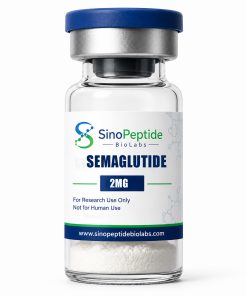
Retatrutide 15mg vs Semaglutide
Retatrutide and semaglutide are not interchangeable compounds.
| Characteristic | Retatrutide | Semaglutide |
|---|---|---|
| GIP receptor | Yes | No |
| GLP-1 receptor | Yes | Yes |
| Glucagon receptor | Yes | No |
| Receptor profile | Triple agonist | GLP-1 receptor agonist |
| Development status | Investigational | Approved for specific indications |
| Research focus | Multi-pathway metabolic research | GLP-1-related metabolic medicine |
The primary distinction is receptor activity.
Retatrutide combines GIP, GLP-1, and glucagon receptor activity, while semaglutide primarily acts through the GLP-1 receptor.
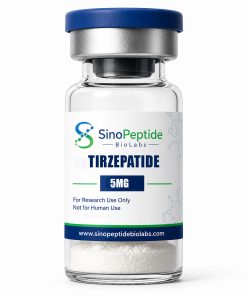
Retatrutide 15mg vs Tirzepatide
Tirzepatide and retatrutide are also different.
Tirzepatide activates:
GIP + GLP-1
Retatrutide activates:
GIP + GLP-1 + glucagon
This makes retatrutide a triple receptor agonist, whereas tirzepatide is generally classified as a dual GIP/GLP-1 receptor agonist.
This difference is central to ongoing metabolic pharmacology research.
Retatrutide 15mg Quality and Purity
Quality verification is particularly important when dealing with investigational research materials.
A product page should emphasize analytical transparency rather than unsupported claims such as “pharmaceutical grade” or “100% safe.”
HPLC Testing
High-performance liquid chromatography can help assess chromatographic purity and identify impurities.
Mass Spectrometry
Mass spectrometry can provide information supporting molecular identity.
Certificate of Analysis
A batch-specific Certificate of Analysis may provide:
- Product identification
- Batch number
- Purity
- Analytical method
- Testing date
- Laboratory information
- Physical characteristics
A useful COA should correspond to the actual lot being supplied.
Batch Traceability
Batch traceability helps researchers connect a material to its analytical documentation.
Identity Testing
For peptide research, identity confirmation is an important complement to purity testing.
A high percentage on an HPLC report alone does not necessarily prove every aspect of a product’s identity, sterility, endotoxin status, or suitability for human use.
Why HPLC Purity Alone Is Not Enough
One common misconception in peptide marketing is that an HPLC percentage automatically proves overall product quality.
It does not.
Different analytical methods answer different questions.
| Test | General purpose |
|---|---|
| HPLC | Chromatographic purity |
| Mass spectrometry | Molecular-mass/identity support |
| Peptide sequencing | Sequence confirmation |
| Endotoxin testing | Endotoxin assessment |
| Sterility testing | Microbial contamination assessment |
| Visual inspection | Physical appearance |
The appropriate testing depends on the intended research application.
Retatrutide 15mg Safety Considerations
Retatrutide remains investigational.
Clinical studies have reported gastrointestinal adverse events, including nausea, diarrhea, vomiting, and constipation. Changes in heart rate have also been observed during retatrutide development.
The Phase 2 obesity trial reported gastrointestinal adverse events that were more common with retatrutide than placebo, while heart-rate increases were observed in a dose-dependent pattern and later declined.
These findings are important because they demonstrate why investigational compounds should not be described as risk-free.
Long-term safety continues to be evaluated through clinical development.
Is Retatrutide 15mg FDA Approved?
No.
As of September 2026, retatrutide is not FDA-approved.
The FDA states that retatrutide is not a component of an FDA-approved drug and has not been found safe and effective for any condition. The agency also states that retatrutide cannot be used in compounding under federal law.
Lilly’s current public information similarly states that retatrutide has not been approved by any regulatory agency and is still being studied in clinical trials.
Lilly announced in July 2026 that it planned to submit a Biologics License Application to the FDA in the first quarter of 2027.
This means the regulatory position can change in the future, so websites should periodically update this section.
Retatrutide 15mg and Regulatory Compliance
Websites publishing information about retatrutide should distinguish educational research content from medical marketing.
The FDA has issued warning letters involving companies that marketed retatrutide as an unapproved drug. In 2026, FDA enforcement materials specifically addressed websites offering retatrutide products and described such products as unapproved new drugs.
Therefore, SEO content should avoid unsupported statements such as:
- “FDA-approved retatrutide”
- “FDA-approved 15mg retatrutide”
- “Guaranteed weight loss”
- “Clinically proven 15mg treatment”
- “Safe for everyone”
- “Approved obesity injection”
Instead, the content should accurately describe retatrutide as an investigational compound.
Common Misconceptions About Retatrutide 15mg
Is 15mg a Standard Retatrutide Dose?
No established FDA-approved 15mg regimen exists.
Major clinical studies have reported doses up to 12mg, making it inappropriate to describe 15mg as an established clinical dose.
Is Retatrutide the Same as “GLP-3”?
No.
“GLP-3” is an informal nickname. Lilly describes retatrutide as a triple hormone receptor agonist targeting GIP, GLP-1, and glucagon receptors.
Does 15mg Mean 15mg Per Week?
Not necessarily.
The amount stated on a product label and a clinical dosing regimen are different concepts.
Can Results From 12mg Studies Be Applied Directly to 15mg?
No.
Clinical research results should be interpreted according to the exact dose, formulation, population, treatment schedule, and study design evaluated.
Is Every Product Called Retatrutide Genuine?
No assumption should be made.
Research materials should be evaluated using appropriate identity and purity documentation.
How to Evaluate a Retatrutide 15mg Research Product
Researchers evaluating a Retatrutide 15mg material can consider several quality factors.
1. Confirm the Product Identity
The product should clearly identify retatrutide and, where appropriate, its development name LY3437943.
2. Review Batch-Specific Documentation
Analytical documents should correspond to the actual batch.
3. Review HPLC Results
HPLC data can provide information about chromatographic purity.
4. Review Mass-Spectrometry Data
Mass spectrometry can support molecular identity.
5. Check the COA
The COA should contain sufficient information to identify the material and batch.
6. Check Labeling
The website should accurately distinguish research material from an approved medicine.
7. Avoid Unsupported Medical Claims
A scientifically responsible product page should not promise treatment outcomes.
Retatrutide 15mg Storage and Stability
Peptide stability can depend on factors such as:
- Temperature
- Moisture
- Light
- Container conditions
- Formulation
- Physical state
- Storage duration
Storage recommendations should therefore be based on validated information supplied for the specific material.
A website should avoid presenting generic storage instructions as universally applicable to every retatrutide preparation.
Retatrutide 15mg FAQs
What is Retatrutide 15mg?
Retatrutide 15mg refers to a product specification associated with 15mg of retatrutide, an investigational GIP, GLP-1, and glucagon receptor agonist.
What is retatrutide also called?
Retatrutide is also known by the development code LY3437943.
What receptors does retatrutide activate?
Retatrutide activates GIP, GLP-1, and glucagon receptors.
Is Retatrutide 15mg FDA approved?
No. Retatrutide remains investigational as of September 2026.
Has retatrutide been studied in humans?
Yes. Retatrutide has been evaluated in multiple randomized clinical trials involving obesity, type 2 diabetes, and obesity-related complications.
What is LY3437943?
LY3437943 is the development code for retatrutide.
Is retatrutide a GLP-1 agonist?
Retatrutide activates the GLP-1 receptor, but it is more accurately described as a triple GIP/GLP-1/glucagon receptor agonist.
Is retatrutide the same as semaglutide?
No. Semaglutide is primarily a GLP-1 receptor agonist, while retatrutide targets GIP, GLP-1, and glucagon receptors.
Is retatrutide the same as tirzepatide?
No. Tirzepatide targets GIP and GLP-1 receptors, while retatrutide also activates the glucagon receptor.
Has 15mg retatrutide been studied in Phase 3 trials?
The major Phase 3 results reported by Lilly through 2026 have used 4mg, 9mg, and 12mg studied doses. A 15mg product specification should therefore not be presented as a Phase 3-established dose.
What does 15mg mean on a research product?
It indicates the amount of material associated with the product specification. It does not automatically establish a clinical dosing regimen.
What research areas involve retatrutide?
Research includes obesity, glucose metabolism, type 2 diabetes, appetite regulation, energy metabolism, cardiometabolic outcomes, knee osteoarthritis, sleep apnea, and other obesity-related conditions.
What should a Retatrutide COA contain?
A useful COA may include the product identity, batch number, purity results, analytical methods, testing date, and laboratory information.
The Future of Retatrutide Research
Retatrutide continues to represent an important area of metabolic drug development.
The compound’s defining feature is its ability to activate three hormone receptors simultaneously. This has led researchers to investigate whether combining GIP, GLP-1, and glucagon signaling can provide broader metabolic effects than single- or dual-receptor approaches.
The Phase 3 development program has expanded research into obesity, type 2 diabetes, cardiovascular disease populations, sleep apnea, knee osteoarthritis, and other conditions.
Lilly announced in July 2026 that it planned to submit a BLA to the FDA in Q1 2027.
Future regulatory decisions will depend on the complete evidence package, including efficacy, safety, manufacturing, and quality data.
For researchers and consumers reading online product information, the most important distinction remains the difference between clinical research evidence and regulatory approval.
Conclusion
Retatrutide 15mg is a product specification associated with retatrutide, also known as LY3437943, an investigational triple hormone receptor agonist targeting GIP, GLP-1, and glucagon receptors.
Research has generated substantial interest in retatrutide because of its effects on body weight, glucose regulation, appetite-related signaling, and broader metabolic pathways.
Phase 2 studies established important dose-response information, while Phase 3 trials have expanded research into obesity, type 2 diabetes, cardiovascular disease populations, sleep apnea, knee osteoarthritis, and other metabolic conditions.
However, Retatrutide 15mg should not be presented as an established clinical dose. The major clinical programs reported through 2026 have evaluated doses up to 12mg, and clinical-trial findings should not automatically be transferred to a product labeled 15mg.
As of September 2026, retatrutide remains investigational and is not FDA-approved. The FDA states that retatrutide cannot be used in compounding under federal law and is not a component of an FDA-approved drug.
For research-oriented content, the strongest approach is to emphasize accurate molecular identity, receptor pharmacology, clinical evidence, quality testing, batch documentation, safety considerations, and current regulatory status.
Research-use disclaimer: Retatrutide is an investigational compound. This article is intended for educational and scientific information only and does not constitute medical advice, a treatment recommendation, or instructions for human administration. Regulatory status and clinical evidence should be verified against current information from relevant regulatory agencies and peer-reviewed literature.
Retatrutide 15mg Retatrutide 15mg Retatrutide 15mg Retatrutide 15mg Retatrutide 15mg Retatrutide 15mg Retatrutide 15mg
Be the first to review “Retatrutide 15mg”
Related products
Pure Peptides
Pure Peptides
Pure Peptides
Pure Peptides
Pure Peptides
Pure Peptides
Pure Peptides

Pure Peptides
Reviews
There are no reviews yet.