
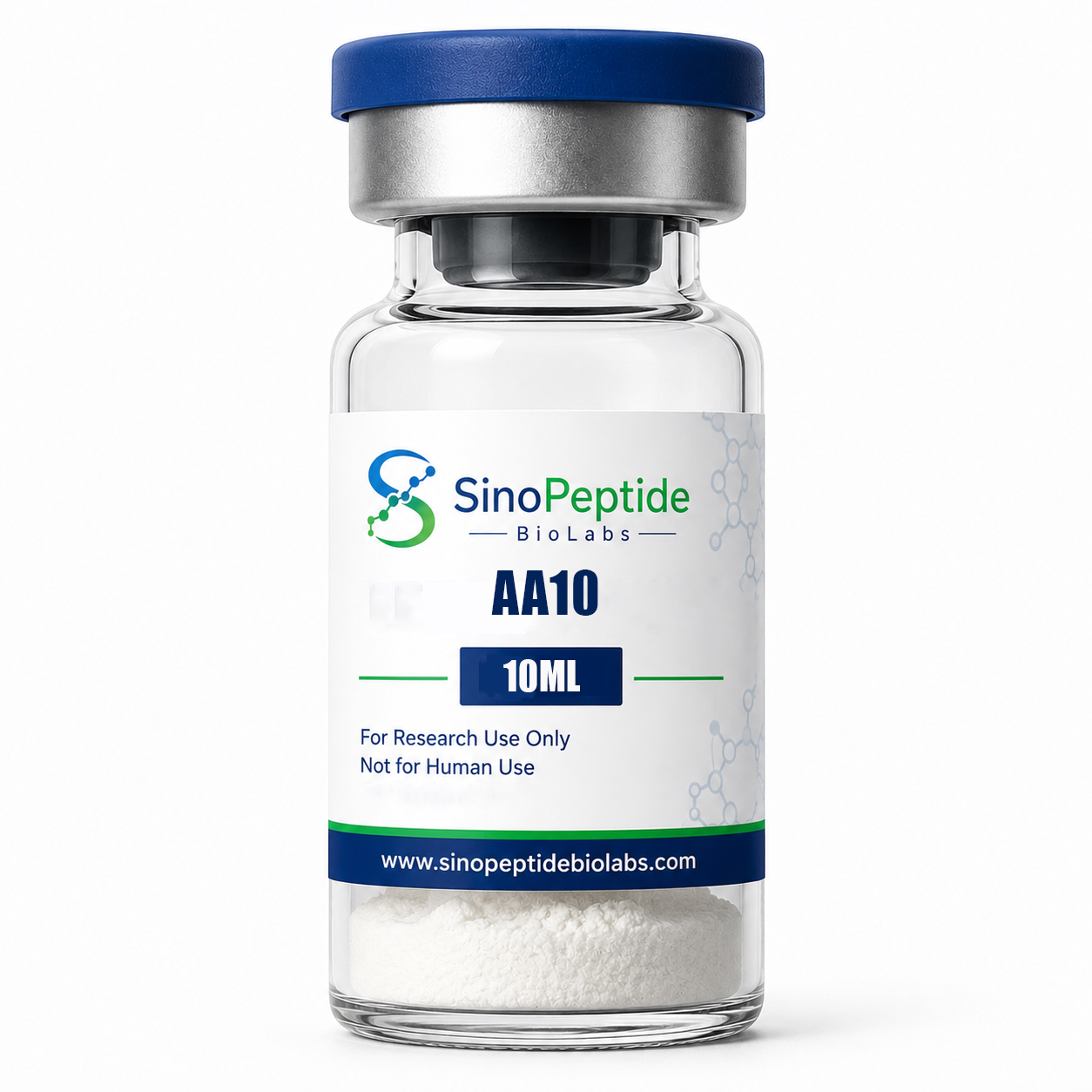
asetic acid water 0.9% 10ml
$10.00
Acetic Acid Water 0.9% 10mL: Uses, Research Applications, Specifications and Safety Guide
Acetic Acid Water 0.9% 10mL is a small-volume aqueous solution containing a stated 0.9% concentration of acetic acid and supplied in a 10 mL container. Depending on the manufacturer and product specification, dilute acetic acid solutions may be used in laboratory research, analytical procedures, formulation studies, and other controlled scientific applications.
The terms used to describe these products can sometimes cause confusion. Acetic Acid Water 0.9% 10mL is not the same as 0.9% sodium chloride, normal saline, sterile water, or bacteriostatic water. The number “0.9%” alone does not identify the chemical composition of a solution.
Acetic acid, also known as ethanoic acid, has the molecular formula C₂H₄O₂ and a molecular weight of approximately 60.05 g/mol.
This comprehensive guide explains what Acetic Acid Water 0.9% 10mL means, how the concentration and volume should be understood, potential research applications, differences from other aqueous solutions, product-quality considerations, storage, handling, and frequently asked questions.
Important: Always verify the exact product label and manufacturer’s documentation before use. A product labeled for research use only should not be used in humans or animals.
What Is Acetic Acid Water 0.9% 10mL?
Acetic Acid Water 0.9% 10mL is an aqueous formulation containing dilute acetic acid at a stated concentration of 0.9%, supplied in a 10 mL vial or container.
The product name can be divided into three important specifications:
- Acetic acid – the chemical component responsible for the acidic character of the solution.
- 0.9% – the stated concentration of acetic acid.
- 10mL – the approximate volume supplied.
Understanding these three components helps prevent confusion when comparing products online.
The 10mL designation is a volume specification. It is not a dosage recommendation. Likewise, the 0.9% concentration describes the composition of the solution and does not indicate that the product is equivalent to a medical solution with another active ingredient.
The exact meaning of the percentage should also be confirmed from the manufacturer’s specification because concentration may be reported on different bases, such as weight/volume or weight/weight.
What Is Acetic Acid?
Acetic acid is a naturally occurring organic acid and an important industrial and laboratory chemical. It is also known as ethanoic acid.
According to PubChem and the NIST Chemistry WebBook, acetic acid has the formula C₂H₄O₂, the molecular representation CH₃COOH, and a molecular weight of approximately 60.05 g/mol. Its CAS Registry Number is 64-19-7.
In concentrated form, acetic acid has substantially different handling characteristics from dilute aqueous solutions. PubChem notes that concentrated acetic acid can be corrosive to tissue and metals.
Dilution changes the practical properties of the material, but laboratory users should still follow the relevant Safety Data Sheet (SDS) and handling requirements for the specific product.
What Does 0.9% Acetic Acid Mean?
The “0.9%” in Acetic Acid Water 0.9% 10mL refers to the stated concentration of acetic acid.
It is important not to interpret this number in isolation.
For example:
- 0.9% sodium chloride = sodium chloride dissolved in water.
- 0.9% acetic acid = acetic acid dissolved in water.
- Bacteriostatic water = sterile water containing an antimicrobial preservative, depending on formulation.
- Sterile water = water meeting a particular sterility specification without necessarily containing acetic acid.
These are different products with different chemical and functional characteristics.
Therefore, a buyer should always check the active ingredient and complete formulation, rather than relying solely on the numerical concentration.
What Does the 10mL Size Mean?
The 10mL portion of the product name indicates the volume of solution supplied.
A 10mL presentation can be convenient for research laboratories that need a larger quantity than a 1mL, 2mL, or 3mL presentation while still working with a relatively small container.
The vial size does not establish:
- a human dose,
- an animal dose,
- an injection volume,
- potency,
- sterility,
- purity,
- or therapeutic suitability.
This distinction is particularly important when small-volume laboratory solutions are sold alongside peptide or pharmaceutical research materials.
Potential Laboratory Uses of Dilute Acetic Acid
Acetic acid is useful in laboratory environments because acidity can influence chemical reactions, solubility, molecular interactions, and sample behavior.
Depending on the exact formulation, dilute acetic acid solutions may be investigated for:
pH-related research
Acidic solutions can be used when a controlled acidic environment is needed during an experiment.
Chemical analysis
Acetic acid solutions may form part of analytical procedures where pH or acid-base conditions influence the analytical process.
Sample preparation
Some laboratory protocols use acidic aqueous media during sample preparation.
Solubility research
Changing the acidity of an aqueous environment can influence the solubility or behavior of certain compounds.
Formulation research
Researchers may evaluate how pH affects stability, compatibility, or other characteristics of experimental formulations.
The suitability of a particular 0.9% acetic acid solution depends on the experiment and should be established through the applicable laboratory protocol.
Acetic Acid Water 0.9% 10mL for Research
The search term Acetic Acid Water 0.9% 10mL may have commercial or research intent, particularly among laboratories looking for a small-volume acidic aqueous solution.
Research users should focus on the complete product specification rather than the product name alone.
Before using the solution, researchers should verify:
- Acetic acid concentration.
- Volume supplied.
- Formulation components.
- Purity specification.
- Intended use.
- Sterility status, if relevant.
- Lot or batch number.
- Certificate of Analysis.
- Safety Data Sheet.
- Manufacturer’s storage requirements.
These details provide considerably more information than the product name itself.
Acetic Acid Water vs. Normal Saline
One of the most important SEO and educational points for this product is the distinction between 0.9% acetic acid and 0.9% sodium chloride.
Normal saline contains sodium chloride at 0.9%.
Acetic Acid Water 0.9% contains acetic acid at a stated concentration of 0.9%.
They are chemically different.
Although both product descriptions contain “0.9%,” that does not make them interchangeable.
This distinction is particularly important in medical environments because normal saline has established pharmaceutical uses that do not apply automatically to an acetic acid solution.
Never substitute one solution for another based solely on the concentration number.
Acetic Acid Water vs. Sterile Water
Sterile water and acetic acid water are also different.
Sterile water is characterized primarily by its sterility specification and intended use.
Acetic Acid Water contains acetic acid and therefore has different chemical properties.
A laboratory product can be sterile without being suitable for injection, and a solution containing an acid should not be assumed to be a suitable pharmaceutical diluent simply because it is supplied in a vial.
The manufacturer’s label and regulatory classification determine the appropriate use.
Acetic Acid Water vs. Bacteriostatic Water
Another common search comparison involves bacteriostatic water.
Bacteriostatic water is generally a sterile water formulation containing a preservative, while Acetic Acid Water is an aqueous acetic acid formulation.
These products have different compositions and purposes.
Consequently, researchers should not automatically replace one with another when preparing an experimental compound.
The appropriate solvent depends on the chemical characteristics of the compound, the validated research protocol, and the manufacturer’s instructions.
Acetic Acid in Medical Products
Acetic acid itself has established medical applications, but this does not mean that every dilute acetic acid product is a medical product.
For example, Acetic Acid Irrigation is a specific pharmaceutical formulation. The United States Pharmacopeia describes it as a sterile solution of glacial acetic acid in Water for Injection, containing approximately 237.5–262.5 mg of acetic acid per 100mL.
Commercial acetic-acid irrigation products are commonly labeled as 0.25% Acetic Acid Irrigation, USP, for specified urinary bladder irrigation applications. The labeling also specifically states that the product is not intended for injection through usual parenteral routes.
This is important because it demonstrates that a pharmaceutical acetic acid formulation is defined by its complete composition, concentration, manufacturing standards, labeling, and intended use.
A product called Acetic Acid Water 0.9% 10mL should not automatically be considered equivalent to pharmaceutical acetic acid irrigation.
Is 0.9% Acetic Acid an Acetic Acid Irrigation Product?
Not automatically.
A 0.9% acetic acid solution and a pharmaceutical acetic acid irrigation solution may differ in concentration, volume, manufacturing standards, sterility, packaging, labeling, and intended application.
USP’s monograph identifies Acetic Acid Irrigation as a specific sterile pharmaceutical preparation.
Therefore, website content should avoid describing every 0.9% acetic acid product as “medical-grade irrigation” unless the exact product is actually manufactured and labeled for that purpose.
This distinction is important for both regulatory accuracy and search-engine trust.
Acetic Acid Water 0.9% 10mL and Peptide Research
Dilute acidic solutions are sometimes discussed in connection with research peptide preparation because the solubility of certain compounds can be influenced by the surrounding pH.
Some research protocols may specify an acidic solvent for a particular experimental compound.
However, there is no universal rule that all peptides should be reconstituted with 0.9% acetic acid.
Different peptides and research compounds have different physical and chemical properties.
Compatibility can depend on:
- peptide sequence,
- charge,
- hydrophobicity,
- formulation,
- concentration,
- pH,
- temperature,
- storage conditions,
- and experimental objectives.
For this reason, researchers should follow the specific protocol for the compound under investigation.
An online seller’s general statement that acetic acid water can be used for peptides should not replace validated laboratory documentation.
Why pH Matters
Acetic acid is a weak acid. When dissolved in water, it establishes an acidic aqueous environment.
The pH of a solution can influence:
- ionization,
- solubility,
- stability,
- molecular interactions,
- protein and peptide behavior,
- and chemical reaction rates.
For laboratory researchers, this makes pH an important consideration when selecting an aqueous solution.
However, concentration and pH are not identical concepts.
A stated 0.9% concentration does not by itself tell you the exact pH of every possible formulation. Additional factors, including formulation and measurement conditions, can influence the final pH.
A reliable product specification should therefore provide the relevant information when pH is critical to the intended application.
Product Quality and Certificate of Analysis
When purchasing Acetic Acid Water 0.9% 10mL, quality documentation should be considered as important as the product description.
A Certificate of Analysis (COA) may provide lot-specific information about the product.
Depending on the manufacturer and product type, a COA may include:
- product identity,
- concentration,
- appearance,
- pH,
- purity,
- testing results,
- lot number,
- manufacturing date,
- expiration or retest date.
Not every product will contain all of these specifications.
For research applications, lot traceability is particularly useful because it allows researchers to connect an experimental material with the documentation associated with that specific batch.
What to Look for When Buying Acetic Acid Water 0.9% 10mL
If your laboratory specifically requires this product, consider the following criteria before purchasing.
1. Confirm the concentration
Verify that the product is actually labeled as 0.9% acetic acid.
2. Confirm the volume
Check that the container contains 10mL.
3. Review the formulation
Determine whether the product contains only water and acetic acid or includes additional components.
4. Review the intended use
Check whether the manufacturer identifies the material as research-grade, analytical-grade, pharmaceutical, or another category.
5. Request documentation
A reputable supplier should provide appropriate technical documentation for the product.
6. Check the lot number
The batch or lot number should correspond to the documentation supplied.
7. Review storage conditions
Storage requirements should be taken directly from the manufacturer.
8. Check compatibility
Make sure the solution is chemically compatible with the material and experimental procedure.
Storage of Acetic Acid Water 0.9% 10mL
Storage requirements can differ between products.
It would therefore be inaccurate to state that every Acetic Acid Water 0.9% 10mL product must be refrigerated or stored at room temperature.
Instead, follow the manufacturer’s instructions.
General laboratory considerations may include:
- keeping the container properly closed;
- protecting the product from contamination;
- avoiding inappropriate temperatures;
- keeping it away from incompatible materials;
- monitoring the expiration or retest date;
- and maintaining appropriate labeling.
If the product has a special sterility requirement, maintaining container integrity is especially important.
Handling and Safety
Even dilute acetic acid should be handled according to the product’s SDS and applicable laboratory safety procedures.
Acetic acid in concentrated form is classified as a corrosive chemical, and PubChem identifies concentrated acetic acid as capable of causing tissue and metal corrosion.
Laboratory personnel should therefore use appropriate precautions for the specific formulation.
Depending on the workplace risk assessment, precautions can include:
- laboratory gloves,
- eye protection,
- appropriate laboratory clothing,
- avoiding unnecessary skin contact,
- preventing eye exposure,
- appropriate ventilation where required,
- and following institutional chemical-safety procedures.
Always consult the SDS for the exact product rather than relying solely on general information about acetic acid.
Can Acetic Acid Water 0.9% 10mL Be Injected?
Do not assume that it can be injected.
A small vial does not automatically mean that a product is injectable.
Likewise, a solution being clear, sterile, or packaged in a vial does not establish that it is appropriate for parenteral administration.
For a solution to be suitable for injection, its complete formulation, sterility, endotoxin specifications, manufacturing process, container system, labeling, and regulatory authorization must support that intended use.
If Acetic Acid Water 0.9% 10mL is labeled Research Use Only, it should remain within that stated research-use category.
It should not be marketed or presented as an injectable medicine without appropriate authorization.
Can It Be Used for Human Consumption?
A research-grade acetic acid solution should not be presented as a product for human consumption.
The fact that acetic acid occurs naturally in foods does not mean that every laboratory acetic acid solution is food-grade or suitable for ingestion.
Different grades of chemicals have different purity specifications, manufacturing controls, contaminants, and intended applications.
Therefore, laboratory-grade material should be used only for its documented purpose.
Acetic Acid Water 0.9% 10mL Price
The price of Acetic Acid Water 0.9% 10mL can vary according to:
- manufacturer,
- grade,
- concentration,
- purity,
- testing,
- documentation,
- packaging,
- geographic market,
- and shipping requirements.
Research-grade products with extensive lot-specific documentation may cost more than basic laboratory solutions.
When comparing prices, it is better to compare the complete specification rather than choosing solely according to the lowest advertised price.
A low-cost product without appropriate documentation may provide less value to a laboratory than a properly documented product with clear traceability.
Acetic Acid Water 0.9% 10mL for Sale
People searching for Acetic Acid Water 0.9% 10mL for sale should first determine the intended application.
Possible categories can include:
- laboratory research,
- analytical chemistry,
- formulation research,
- sample preparation,
- or regulated pharmaceutical applications.
These categories should not be treated as interchangeable.
Before purchasing, verify:
- concentration,
- volume,
- formulation,
- grade,
- intended use,
- manufacturer,
- lot information,
- COA,
- SDS,
- storage conditions,
- and regulatory status.
How Acetic Acid Water 0.9% 10mL Can Support Laboratory Work
A properly specified dilute acetic acid solution can be useful when a research protocol requires an acidic aqueous environment.
Its value comes from having a defined chemical composition and a manageable volume.
The 10mL presentation may be useful for laboratories that need more material than a very small vial while still avoiding unnecessarily large quantities.
For reproducible laboratory work, consistency is important. Using a product with clearly documented concentration and lot information can help researchers maintain consistent experimental conditions.
Common Mistakes When Choosing Acetic Acid Water
Mistake 1: Confusing it with normal saline
The concentration number does not identify the chemical.
Mistake 2: Assuming all acetic acid solutions are interchangeable
Different concentrations and formulations can have substantially different intended uses.
Mistake 3: Assuming a vial is injectable
Packaging does not establish a route of administration.
Mistake 4: Ignoring the COA
Lot-specific documentation can be important for research reproducibility.
Mistake 5: Ignoring the SDS
Chemical handling requirements should always be reviewed.
Mistake 6: Choosing solely by price
The cheapest product may not offer the documentation or specifications required by a laboratory.
Frequently Asked Questions
What is Acetic Acid Water 0.9% 10mL?
It is a 10mL aqueous solution containing a stated 0.9% concentration of acetic acid. The exact formulation and intended use depend on the manufacturer.
What is the chemical formula of acetic acid?
Acetic acid has the molecular formula C₂H₄O₂ and is also written as CH₃COOH. Its molecular weight is approximately 60.05 g/mol.
What does 10mL mean?
10mL describes the volume of solution supplied. It does not represent a medical dose.
Is 0.9% acetic acid the same as 0.9% saline?
No. 0.9% saline contains sodium chloride, while 0.9% acetic acid contains acetic acid.
Is Acetic Acid Water the same as sterile water?
No. Acetic acid water contains acetic acid, while sterile water is defined by its sterility and formulation requirements.
Is Acetic Acid Water the same as bacteriostatic water?
No. These are different formulations with different compositions and intended uses.
Is Acetic Acid Water 0.9% 10mL injectable?
Not necessarily. Do not inject a product unless it is specifically manufactured, labeled, and authorized for injection.
Is 0.9% acetic acid the same as acetic acid irrigation?
No. Pharmaceutical acetic acid irrigation is a specific formulation. USP describes Acetic Acid Irrigation at approximately 0.25%, not 0.9%.
Can acetic acid water be used in research?
Potentially, depending on the product’s specification and the research protocol. The exact concentration and formulation must be compatible with the intended experiment.
Can it be used for peptide research?
Some laboratory protocols may use acidic aqueous solutions with particular research compounds. However, compatibility is compound-specific and should be determined from appropriate research documentation.
How should Acetic Acid Water 0.9% 10mL be stored?
Follow the manufacturer’s storage instructions. Storage conditions can vary according to the specific formulation.
Does 0.9% indicate the pH?
No. Concentration and pH are different measurements. The manufacturer’s specification should be consulted for the product’s measured pH where relevant.
What should a buyer check before purchasing?
Check the concentration, volume, formulation, intended use, lot number, COA, SDS, storage instructions, and manufacturer information.
Final Thoughts
Acetic Acid Water 0.9% 10mL is a small-volume dilute acetic acid solution whose appropriate use depends on its exact formulation and manufacturer’s specifications.
The most important point for researchers and buyers is to distinguish this product from other solutions that may look similar based on their names or concentration numbers.
A 0.9% acetic acid solution is not the same as 0.9% sodium chloride. It is also not automatically equivalent to sterile water, bacteriostatic water, or pharmaceutical acetic acid irrigation.
Acetic acid itself is a well-characterized chemical with the molecular formula C₂H₄O₂ and molecular weight of approximately 60.05 g/mol. Its dilute solutions can be relevant to laboratory and research applications where controlled acidity is required.
At the same time, pharmaceutical applications require specifically formulated and labeled products. USP’s description of Acetic Acid Irrigation demonstrates why concentration, sterility, formulation, and intended use must all be considered rather than relying on the term “acetic acid” alone.
For anyone purchasing Acetic Acid Water 0.9% 10mL, the best approach is to verify the complete product specification, obtain appropriate documentation, follow the SDS, and use the material only for its stated purpose.
Research-use products should not be represented as approved medicines or injectable products without the appropriate regulatory authorization.
Product information checklist
Before publishing or purchasing an Acetic Acid Water 0.9% 10mL product, verify:
- Product: Acetic Acid Water
- Concentration: 0.9%
- Volume: 10mL
- Chemical: Acetic acid / ethanoic acid
- Formula: C₂H₄O₂
- CAS: 64-19-7
- Intended use: Verify manufacturer specification
- COA: Recommended for research products
- SDS: Recommended for chemical safety
- Storage: Follow manufacturer instructions
- Regulatory status: Verify before making medical claims
This approach provides useful information for researchers while avoiding unsupported therapeutic claims and confusing a research solution with a pharmaceutical preparation.
Be the first to review “asetic acid water 0.9% 10ml”
Related products
Pure Peptides
Pure Peptides
Pure Peptides
Pure Peptides
Pure Peptides
Pure Peptides
Pure Peptides
Pure Peptides
Reviews
There are no reviews yet.