

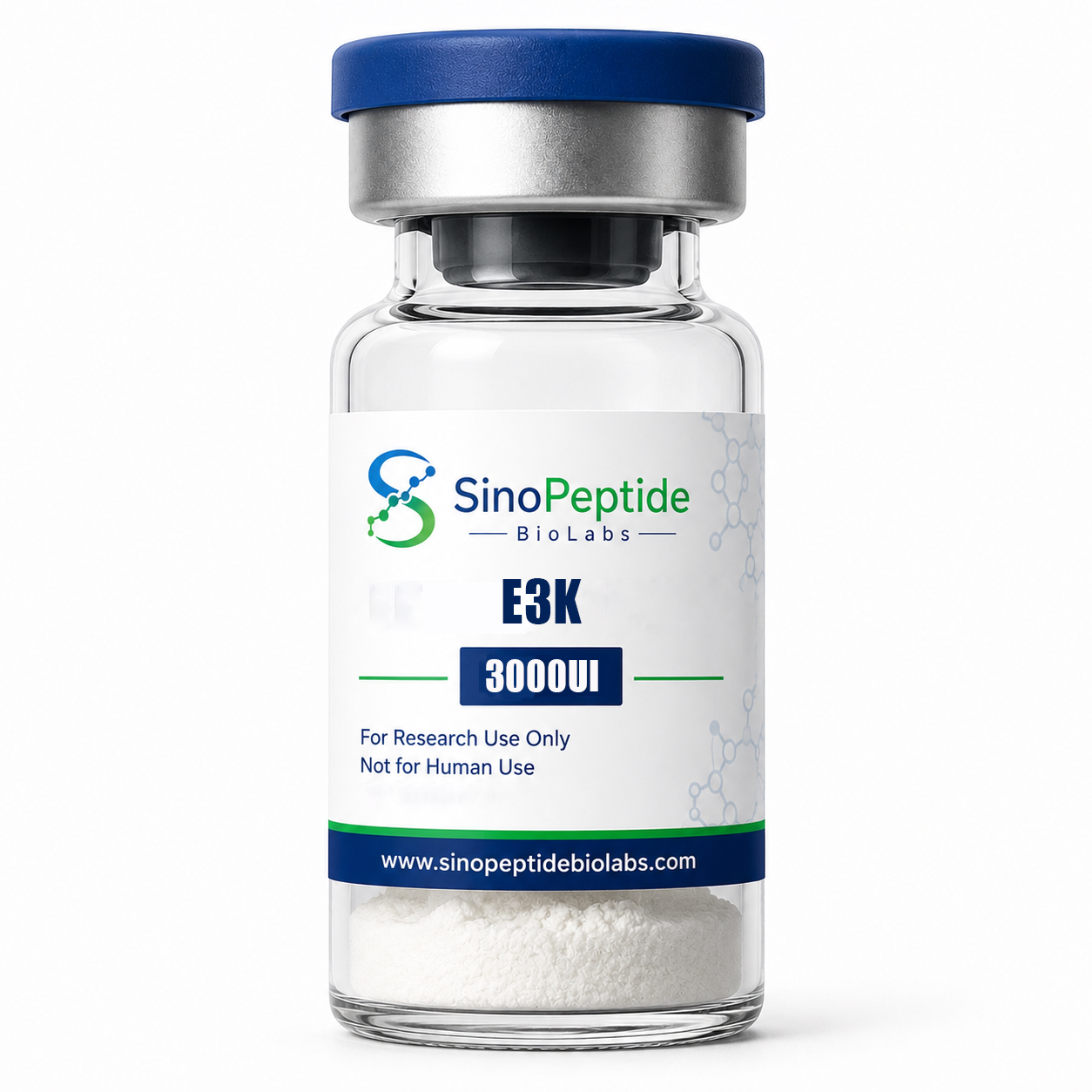
EPO-5 3000ui
$110.00
10 Vials/Kits
EPO-5 3000 IU: Erythropoietin Uses, Benefits, Safety and Complete Guide
Primary SEO Keyword: EPO-5 3000 IU
Secondary Keywords: EPO-5 3000 IU injection, EPO 3000 IU, erythropoietin 3000 IU, epoetin 3000 IU, EPO injection, erythropoietin injection, epoetin alfa, recombinant human erythropoietin, EPO for anemia, EPO research, erythropoietin benefits, EPO safety, EPO dosage, EPO 3000 IU vial, erythropoiesis stimulating agent, ESA therapy, red blood cell production, erythropoietin research
SEO Title: EPO-5 3000 IU: Erythropoietin Uses, Benefits & Safety Guide
Meta Description: Learn about EPO-5 3000 IU, erythropoietin, epoetin, medical uses, red blood cell production, safety, clinical research, dosing considerations and frequently asked questions.
Suggested URL Slug: /epo-5-3000-iu/
What Is EPO-5 3000 IU?
EPO-5 3000 IU is a product name that may be used in some markets for an erythropoietin-related preparation. However, the exact manufacturer, active ingredient, formulation, concentration and regulatory status of a product labeled “EPO-5” should always be confirmed from its packaging, official product information, batch documentation and local regulatory authority.
The term EPO commonly refers to erythropoietin, a naturally occurring glycoprotein hormone that plays a central role in red blood cell production. Pharmaceutical erythropoietins, such as epoetin alfa, are recombinant forms designed to reproduce the biological activity of human erythropoietin.
Erythropoietin stimulates erythroid precursor cells in the bone marrow, encouraging the production of red blood cells. Recombinant erythropoietin products are therefore classified as erythropoiesis-stimulating agents (ESAs).
A 3,000 IU presentation refers to the amount of biological activity contained in the particular product presentation. It does not, by itself, establish an appropriate treatment dose for a particular person.
FDA records confirm that epoetin alfa products have historically been marketed in multiple strengths, including a 3,000 Units/mL single-dose presentation. Other epoetin products and markets may use different concentrations and container formats.
This distinction is important because erythropoietin therapy is individualized according to the underlying cause of anemia, hemoglobin concentration, kidney function, treatment indication, iron status and other clinical factors.
EPO-5 3000 IU at a Glance
| Feature | Description |
|---|---|
| Common meaning of EPO | Erythropoietin |
| Pharmaceutical class | Erythropoiesis-stimulating agent |
| Common recombinant form | Epoetin |
| Main biological function | Stimulates red blood cell production |
| 3000 IU meaning | Product strength/activity, not automatically a treatment dose |
| Common clinical area | Certain forms of anemia |
| Administration | Depends on the specific approved product |
| Prescription status | Generally prescription-only |
| Monitoring | Hemoglobin, blood pressure, iron status and clinical condition |
| Main safety concern | Excessive erythropoietic response and thrombotic/cardiovascular complications |
| Sports status | EPO is prohibited under the WADA Prohibited List |
Understanding Erythropoietin and EPO-5
Erythropoietin is one of the body’s key regulators of erythropoiesis, the biological process through which red blood cells are produced.
In healthy adults, most endogenous erythropoietin is produced by specialized cells in the kidneys. When oxygen delivery is inadequate, the kidneys can increase erythropoietin production. The hormone then travels through the bloodstream to the bone marrow, where it promotes the survival, proliferation and maturation of erythroid precursor cells.
The final result is increased production of red blood cells.
Recombinant epoetin products reproduce this basic physiological signal. They are used clinically when the body’s natural erythropoietin response is insufficient or when stimulation of red blood cell production is appropriate for a specific medical indication.
This mechanism explains why EPO products can be valuable medicines in appropriately selected patients—but also why they should not be treated like ordinary nutritional supplements.
What Does 3000 IU Mean?
One of the most important points about EPO-5 3000 IU is understanding what “3000 IU” actually represents.
IU means International Units. For biological medicines such as erythropoietin, International Units describe biological activity rather than simply the physical weight of the substance.
Therefore:
3000 IU ≠ automatically 3000 IU as a prescribed dose for every patient.
A product can contain a particular strength while the medically appropriate regimen depends on the patient’s diagnosis and the specific product labeling.
For example, official product information for epoetin alfa includes different dosing approaches for different indications, while some products are supplied in presentations such as 3,000 IU in 0.3 mL.
Consequently, consumers should distinguish between:
- Product strength
- Concentration
- Individual prescribed dose
- Frequency of administration
- Total treatment duration
These are not interchangeable concepts.
How Does EPO Work?
Erythropoietin works primarily through the erythropoietin receptor (EPOR) on erythroid precursor cells.
After EPO binds to its receptor, intracellular signaling pathways are activated. These pathways help promote the survival and development of red blood cell precursors in the bone marrow.
The simplified process is:
EPO signal → erythropoietin receptor activation → erythroid precursor survival and proliferation → increased red blood cell production
This process ultimately increases the number of circulating red blood cells and can increase hemoglobin concentration.
The response is not instantaneous. Red blood cell production involves multiple developmental stages, which means changes in hemoglobin occur over time rather than immediately after administration.
What Is EPO-5 3000 IU Used For?
The medically established uses of epoetin products depend on the particular active ingredient, formulation, country and approved label.
Epoetin alfa and related ESAs are used in selected patients with anemia associated with conditions such as chronic kidney disease and, under specific circumstances, chemotherapy-associated anemia.
The European Medicines Agency describes epoetin alfa products as treatments for symptomatic anemia associated with chronic renal failure and for anemia associated with certain cancers receiving chemotherapy. Certain formulations also have approved uses around elective surgery and other specialized situations.
1. Anemia Associated With Chronic Kidney Disease
One of the most established applications of erythropoietin therapy is anemia associated with chronic kidney disease.
Healthy kidneys contribute significantly to the body’s production of erythropoietin. When kidney function becomes substantially impaired, endogenous EPO production may become insufficient to maintain normal red blood cell production.
This can contribute to anemia.
An ESA such as epoetin can provide an external erythropoietic signal, helping stimulate red blood cell production in appropriately selected patients.
However, anemia in chronic kidney disease is multifactorial. Iron deficiency, inflammation, blood loss and other factors can also contribute. Consequently, ESA treatment does not replace evaluation and management of other causes of anemia.
The EMA specifically notes that iron levels should be checked in patients receiving epoetin alfa, with supplementation where necessary.
EPO and Chemotherapy-Associated Anemia
Certain patients receiving chemotherapy can develop anemia.
In selected circumstances, erythropoiesis-stimulating agents may be used to reduce the need for red blood cell transfusions.
However, ESA therapy in cancer patients requires careful risk-benefit assessment. Regulatory authorities have issued important warnings concerning potential risks associated with inappropriate ESA use and excessively high hemoglobin targets.
For this reason, EPO should not be marketed as a general-purpose treatment for tiredness, poor athletic performance or unexplained anemia.
The underlying cause of anemia needs to be identified first.
EPO and Surgery
Certain epoetin formulations have also been used in selected surgical settings.
For example, epoetin alfa has been studied and authorized in some circumstances to reduce the need for allogeneic blood transfusion around major elective orthopedic surgery.
The exact indication depends on the approved product information and patient characteristics.
This is an important example of why EPO 3000 IU cannot be assigned one universal dosing schedule. Different indications require different treatment strategies and monitoring.
Potential Benefits of EPO Therapy
When prescribed appropriately for an approved indication, erythropoietin therapy can provide clinically meaningful benefits.
1. Increased Red Blood Cell Production
The principal pharmacological effect is stimulation of erythropoiesis.
2. Increased Hemoglobin
As red blood cell production increases, hemoglobin can rise.
3. Reduced Need for Transfusion
In appropriate clinical situations, ESA treatment can reduce the requirement for red blood cell transfusions.
4. Treatment of Certain Forms of Anemia
Epoetin is an established therapy for selected forms of anemia, particularly anemia associated with chronic kidney disease.
The benefit is highly dependent on correct patient selection, monitoring and management of contributing factors such as iron deficiency.
EPO-5 3000 IU Is Not a General Energy Booster
A common misconception surrounding EPO is that increasing red blood cell production automatically produces better health, greater energy or improved physical performance.
This is misleading.
Erythropoietin is a prescription biological medicine with specific medical indications.
It is not equivalent to:
- An iron supplement
- A vitamin
- A general energy supplement
- A sports-performance product
- A bodybuilding peptide
- A treatment for ordinary fatigue without diagnosed anemia
MedlinePlus specifically notes that epoetin products are not substitutes for red blood cell transfusion when severe anemia requires transfusion and have not been shown simply to improve tiredness or poor well-being caused by anemia.
EPO-5 3000 IU and Iron Status
Iron is essential for hemoglobin production.
A patient receiving an erythropoiesis-stimulating agent may not respond adequately if iron availability is insufficient.
This is why clinicians commonly assess iron status during ESA treatment.
The EMA states that iron levels should be checked and that iron supplementation should be provided when necessary.
This creates an important clinical distinction:
EPO stimulates red blood cell production, while iron supplies an essential raw material required for hemoglobin synthesis.
Using an ESA without addressing iron deficiency may therefore result in an inadequate response.
EPO-5 3000 IU Dosage: What You Should Know
Searches for “EPO-5 3000 IU dosage” can be misleading because 3,000 IU describes a product strength or presentation rather than a universal treatment regimen.
Epoetin dosing varies according to factors including:
- The underlying medical condition
- Patient age
- Body weight
- Hemoglobin concentration
- Kidney function
- Dialysis status
- Iron status
- Treatment response
- Route of administration
- Specific epoetin product
- Local regulatory labeling
For these reasons, an online article should not provide a one-size-fits-all EPO dosage.
Official product labeling demonstrates that different medical indications can involve different dosing strategies.
Patients should follow the regimen prescribed by their healthcare professional rather than attempting to calculate a personal EPO dose from the “3000 IU” number printed on a package.
Why Hemoglobin Monitoring Matters
Hemoglobin is one of the most important laboratory measurements used when managing ESA therapy.
The purpose of treatment is not simply to maximize hemoglobin.
Regulatory safety reviews have shown that targeting unnecessarily high hemoglobin concentrations can increase cardiovascular and thromboembolic risks in certain patient populations.
The EMA has previously emphasized that epoetins should be used according to approved indications and that treatment should not aim for unnecessarily high hemoglobin concentrations.
This principle remains important when discussing EPO products online:
More red blood cells are not automatically better.
The therapeutic goal is controlled correction or management of anemia appropriate to the patient’s clinical situation.
EPO-5 3000 IU Safety
Erythropoietin medicines have well-established clinical applications, but they also carry important risks.
The safety profile depends on the patient, indication, dose, treatment duration and response.
Potential adverse effects associated with epoetin therapy can include:
- Increased blood pressure
- Headache
- Nausea
- Fever
- Flu-like symptoms
- Injection-site reactions
- Thrombotic events
- Cardiovascular complications
- Rare immune-mediated complications
The EMA identifies uncontrolled hypertension as an important contraindication for epoetin alfa products and describes thrombotic and cardiovascular concerns associated with ESA therapy.
EPO and High Blood Pressure
Blood pressure monitoring is particularly important during ESA treatment.
Erythropoiesis-stimulating agents can contribute to increases in blood pressure, and uncontrolled hypertension can make treatment inappropriate.
Patients receiving EPO should therefore have their blood pressure monitored according to their healthcare professional’s recommendations.
Anyone with uncontrolled hypertension should not self-administer an erythropoietin product.
EPO and Blood Clots
One of the most important safety considerations is the potential for thrombotic complications.
Increasing red blood cell mass and altering blood viscosity can have clinically important consequences, particularly when hemoglobin is raised beyond appropriate treatment targets.
Potential complications may include:
- Deep-vein thrombosis
- Pulmonary embolism
- Stroke
- Myocardial infarction
- Vascular-access thrombosis in dialysis patients
This is why ESA therapy requires medical supervision rather than casual or performance-oriented use.
EPO and Cancer
Epoetin therapy requires special consideration in people with cancer.
Regulatory reviews have identified concerns regarding certain uses of ESAs in cancer patients, including risks associated with thromboembolic events and, depending on the clinical context, adverse effects on survival or tumor-related outcomes.
The EMA has specifically reviewed evidence concerning epoetin use in cancer and emphasized adherence to approved indications and appropriate hemoglobin targets.
Therefore, EPO should never be promoted as a cancer treatment itself.
Is EPO-5 3000 IU FDA Approved?
The answer depends on the exact product and manufacturer, not merely the words “EPO-5 3000 IU.”
Epoetin alfa is an established FDA-approved biological medicine. FDA records identify epoetin alfa products such as Epogen/Procrit and include a 3,000 Units/mL presentation.
However, that does not mean that every product marketed online as “EPO-5 3000 IU” is FDA approved.
A website should never imply regulatory approval solely because a product contains erythropoietin.
Before making regulatory claims, verify:
- Exact product name
- Active ingredient
- Manufacturer
- Marketing authorization
- National registration
- Product label
- Batch documentation
- Intended clinical use
This distinction is particularly important for SEO content because inaccurate claims such as “FDA-approved EPO-5” can create both medical and regulatory problems if the exact product has not been verified.
EPO-5 3000 IU vs Epoetin Alfa
The terms can sometimes be confused.
| Term | Meaning |
|---|---|
| EPO | Erythropoietin |
| Epoetin | Recombinant pharmaceutical erythropoietin |
| Epoetin alfa | A specific recombinant erythropoietin |
| EPO-5 | Product/brand terminology that requires verification |
| 3000 IU | Biological activity/strength of a particular presentation |
A product described as EPO-5 should therefore not automatically be assumed to be epoetin alfa without checking the official product documentation.
EPO-5 3000 IU vs Natural Erythropoietin
Natural erythropoietin is produced by the human body.
Pharmaceutical epoetin products are recombinant proteins manufactured using biotechnology.
The purpose of recombinant erythropoietin is to reproduce the biological activity of endogenous erythropoietin and stimulate erythropoiesis.
Epoetin alfa is a recombinant form of human erythropoietin and has been used clinically for decades.
EPO-5 3000 IU and Athletic Performance
EPO has attracted considerable attention in sports because increasing red blood cell mass can affect oxygen transport.
However, using erythropoietin to enhance athletic performance is prohibited under anti-doping rules.
The 2026 World Anti-Doping Agency (WADA) Prohibited List specifically includes erythropoietins and EPO receptor agonists under S2.1, prohibited at all times both in and out of competition.
Therefore, athletes subject to WADA rules should not use EPO unless the use is medically justified and appropriately managed under applicable therapeutic-use procedures.
A website should not market EPO as a sports-performance enhancer.
Is EPO a Peptide?
Erythropoietin is a glycoprotein hormone, not a conventional short peptide such as many research peptides discussed online.
EPO is considerably larger and structurally more complex than typical synthetic peptide products.
This distinction matters because online sellers sometimes use broad terminology such as “EPO peptide.”
Scientifically, recombinant epoetin products are better described as recombinant erythropoietin or erythropoiesis-stimulating agents.
EPO-5 3000 IU Storage and Handling
Storage requirements depend on the exact manufacturer and formulation.
Many epoetin products are temperature-sensitive biological medicines and require controlled storage.
For example, official product information for epoetin alfa preparations provides specific storage instructions and handling precautions. Some formulations must be protected from light and should not be shaken vigorously because proteins can be damaged by inappropriate handling.
Therefore, users should always follow the storage conditions printed on the specific product label.
A generic website should not invent a storage temperature for an unidentified “EPO-5” product.
How to Evaluate an EPO-5 3000 IU Product
If a website is publishing information about an EPO-5 3000 IU product, readers should look for transparent product documentation.
Important information includes:
Active Ingredient
Does the label identify epoetin alfa, epoetin beta, epoetin zeta, epoetin theta or another erythropoietin-related substance?
Strength
Does the product contain 3,000 IU per vial, per syringe or per milliliter?
Concentration
“3,000 IU” and “3,000 IU/mL” are not necessarily the same thing.
Manufacturer
A legitimate medicinal product should have an identifiable manufacturer or marketing authorization holder.
Batch Information
A batch or lot number helps with traceability.
Expiration Date
Biological medicines should not be used beyond the labeled expiration date.
Regulatory Information
Where applicable, registration or authorization information should be independently verifiable.
Who Should Not Self-Use EPO-5 3000 IU?
Self-administration of erythropoietin without medical supervision is inappropriate.
Particular caution is necessary for people with:
- Uncontrolled hypertension
- A history of serious cardiovascular disease
- Previous thrombotic events
- Certain cancers
- Conditions associated with abnormal blood viscosity
- Known hypersensitivity to epoetin products
- Previous ESA-associated pure red cell aplasia
- Unexplained anemia
- Iron deficiency that has not been addressed
The exact contraindications vary by product, so the official prescribing information should always be consulted. The EMA lists uncontrolled hypertension and previous antibody-mediated pure red cell aplasia associated with erythropoietin among important restrictions for epoetin alfa products.
EPO-5 3000 IU and Laboratory Monitoring
Medical supervision of ESA treatment commonly involves laboratory monitoring.
Depending on the indication, clinicians may assess:
- Hemoglobin
- Hematocrit
- Reticulocyte response
- Ferritin
- Transferrin saturation
- Blood pressure
- Kidney function
- Signs of bleeding
- Evidence of thrombosis
- Underlying causes of anemia
Monitoring allows clinicians to determine whether treatment is producing the intended response and whether adjustments are required.
What Happens if EPO Does Not Work?
A poor response to erythropoietin does not necessarily mean that a higher dose is appropriate.
Several factors can contribute to inadequate response, including:
- Iron deficiency
- Inflammation
- Infection
- Blood loss
- Nutritional deficiencies
- Chronic disease
- Inadequate dialysis
- Bone marrow disorders
- Incorrect diagnosis
- Medication-related effects
Consequently, clinicians generally investigate the underlying cause rather than simply escalating treatment without evaluation.
Frequently Asked Questions About EPO-5 3000 IU
What is EPO-5 3000 IU?
EPO-5 3000 IU appears to refer to an erythropoietin-related product or presentation. Because the exact identity of products marketed under this name may vary, the active ingredient, manufacturer and regulatory documentation should be checked before making product-specific claims.
What does 3000 IU mean?
It indicates the biological activity associated with the particular presentation. It should not automatically be interpreted as an individualized treatment dose.
Is EPO the same as epoetin?
EPO generally refers to erythropoietin. Epoetin refers to recombinant pharmaceutical forms of erythropoietin, including epoetin alfa.
What is erythropoietin used for?
Erythropoietin medicines are used for selected forms of anemia, particularly anemia associated with chronic kidney disease and, under specific conditions, chemotherapy-associated anemia. Some products have additional approved indications.
Can EPO be used for ordinary tiredness?
No. EPO is not a general energy supplement. Unexplained fatigue should be medically evaluated rather than treated with erythropoietin.
Does EPO increase red blood cells?
Yes. Erythropoietin stimulates the bone marrow to increase red blood cell production.
Is EPO-5 3000 IU safe?
Safety depends on the exact product, patient, indication, dose and monitoring. Erythropoietin products can cause serious complications, including hypertension and thrombotic events, so they require appropriate medical supervision.
Can EPO be used by athletes?
EPO is prohibited for athletes subject to WADA rules. The 2026 WADA Prohibited List includes erythropoietins under prohibited substances at all times.
Is EPO-5 3000 IU FDA approved?
Approval must be established for the exact product. FDA records confirm approved epoetin alfa products and include a 3,000 Units/mL presentation, but this does not automatically establish FDA approval for every product sold under an “EPO-5” name.
Does EPO replace iron?
No. Iron is necessary for hemoglobin production. Iron status should be evaluated when ESA therapy is being considered or administered.
How quickly does EPO work?
The response is not immediate. Red blood cell production involves several stages, so changes in hemoglobin develop over time and require laboratory monitoring.
Is EPO a peptide?
Erythropoietin is a glycoprotein hormone rather than a conventional short peptide.
EPO-5 3000 IU: Key Takeaways
EPO-5 3000 IU is a keyword that can refer to an erythropoietin-related product, but the exact identity of the product should be verified before describing its composition, regulatory status or clinical applications.
The underlying science is well established: erythropoietin stimulates red blood cell production in the bone marrow.
Recombinant erythropoietin products such as epoetin alfa have important medical applications, especially in selected patients with anemia associated with chronic kidney disease and certain other clinical conditions.
However, 3,000 IU is a strength/presentation, not a universal dose. Treatment depends on the patient’s condition, laboratory results, product formulation and approved indication.
EPO therapy also requires attention to blood pressure, hemoglobin, iron status and thrombotic risk.
For athletes, the distinction is especially important: EPO is prohibited under the 2026 WADA Prohibited List because it can affect erythropoiesis and oxygen-carrying capacity.
For website owners, the most accurate SEO approach is to provide useful information about EPO-5 3000 IU, erythropoietin, epoetin, medical uses, mechanism, safety and regulatory considerations without presenting the product as a universal treatment, sports-performance product or automatically approved medicine.
Be the first to review “EPO-5 3000ui”
Related products
Pure Peptides
Pure Peptides
Pure Peptides
Pure Peptides
Pure Peptides
Pure Peptides
Pure Peptides

Pure Peptides
Reviews
There are no reviews yet.