
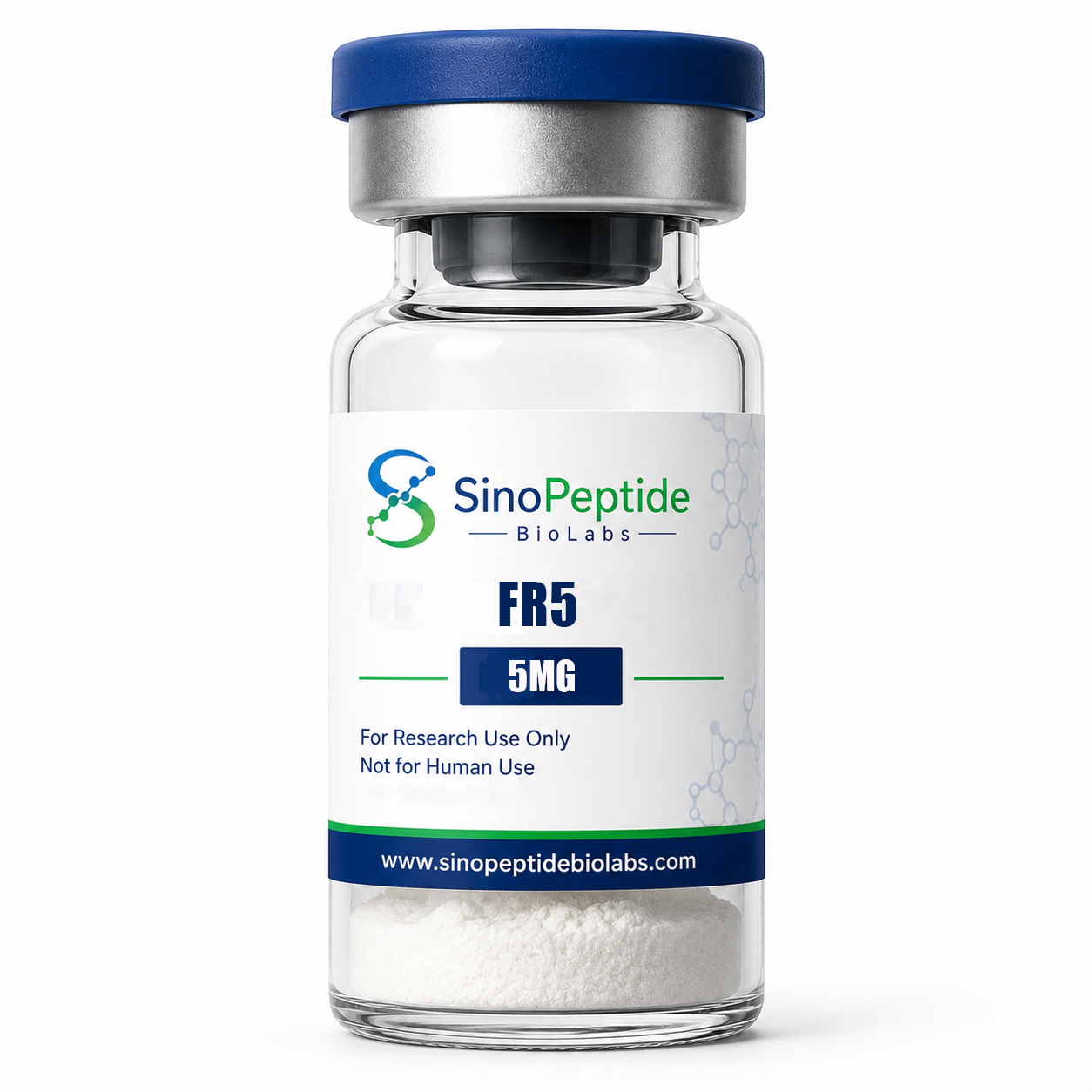
HGH Fragment 176-191 5mg
$85.00
10 Vials/Kits
HGH Fragment 176-191 5mg: Research, Benefits, Uses, Safety & Complete Guide
SEO Title: HGH Fragment 176-191 5mg: Research, Benefits, Uses & Safety
Meta Description: Learn about HGH Fragment 176-191 5mg, its relationship to human growth hormone, fat-metabolism research, potential benefits, safety considerations, AOD-9604, and frequently asked questions.
Suggested URL: /hgh-fragment-176-191-5mg/
Primary Keyword: HGH Fragment 176-191 5mg
Secondary Keywords: HGH Fragment 176-191, HGH 176-191 5mg, growth hormone fragment 176-191, human growth hormone fragment 176-191, HGH fragment peptide, HGH 176-191 peptide, GH fragment 176-191, 176-191 peptide, HGH fragment research, HGH fragment benefits, HGH fragment uses, HGH fragment safety, HGH fragment dosage, HGH fragment 5mg, AOD-9604, AOD9604, hGH fragment, growth hormone peptide research, lipolytic peptide research
What Is HGH Fragment 176-191 5mg?
HGH Fragment 176-191 5mg refers to a peptide product marketed around a short region of human growth hormone (hGH), rather than the complete growth hormone molecule.
The name “176-191” refers to amino-acid numbering within the C-terminal region of human growth hormone. This distinction is important because a growth hormone fragment is chemically and biologically different from full-length recombinant human growth hormone, commonly called somatropin.
Research into C-terminal growth hormone fragments has focused particularly on lipid metabolism, lipolysis, and pathways involved in the handling of stored fat. Some of the most frequently discussed research concerns AOD-9604, a modified synthetic peptide derived from the C-terminal region of human growth hormone. However, AOD-9604 should not automatically be treated as identical to every product marketed as HGH Fragment 176-191.
FDA documents describe AOD-9604 as a 16-amino-acid peptide corresponding to hGH residues 177-191 with an additional N-terminal tyrosine. This means terminology used in commercial peptide listings can be confusing, and the exact composition of a specific product should always be verified from its documentation.
The 5mg designation generally describes the amount of peptide contained in the product. It should not be interpreted as an established human dose or as evidence that 5mg is an appropriate amount for therapeutic use.
Understanding HGH Fragment 176-191
Human growth hormone is a peptide hormone involved in growth, metabolism, tissue development, and regulation of the growth hormone/IGF-1 system.
Researchers have investigated whether specific portions of hGH can produce biological effects that differ from the actions of the intact hormone.
The C-terminal region of hGH has received particular research attention because studies have associated related peptide sequences with effects on lipid metabolism and lipolysis.
This research eventually contributed to development of modified peptides such as AOD-9604. Early experimental work investigated whether these molecules could influence fat metabolism without reproducing all of the biological effects associated with full-length hGH.
For example, experimental studies in obese animals reported increased fat oxidation and lipolysis following treatment with AOD-9604. These findings helped establish scientific interest in C-terminal hGH-derived peptides.
However, animal research cannot be directly translated into a proven human weight-loss treatment. A peptide may demonstrate an interesting mechanism in laboratory or animal studies without ultimately becoming an effective or approved medicine.
This distinction is particularly important when evaluating online claims about HGH Fragment 176-191.
HGH Fragment 176-191 vs. Full HGH
One of the most common sources of confusion is treating HGH Fragment 176-191 as if it were simply a smaller dose of human growth hormone.
It is not.
Full-length human growth hormone is a much larger protein hormone with a broad range of physiological effects. Recombinant hGH is used clinically for specific approved medical indications under appropriate medical supervision.
A short hGH-derived fragment, by contrast, represents only a portion of the parent hormone. Its biological activity, receptor interactions, metabolism, and clinical effects can therefore differ substantially.
Research on AOD-9604 is particularly interesting because studies have reported lipolytic activity without the same growth-promoting receptor activity associated with intact hGH. In animal experiments, AOD-9604 did not compete for the hGH receptor and did not produce the same cell-proliferation response observed with hGH.
This does not mean that HGH Fragment 176-191 is a proven alternative to HGH.
It simply demonstrates why researchers study individual hormone fragments separately from the complete hormone.
Is HGH Fragment 176-191 the Same as AOD-9604?
No. The terms are related, but they should not be used interchangeably without verifying the exact molecular structure.
AOD-9604 is a specifically modified synthetic peptide derived from the C-terminal region of human growth hormone. FDA documentation identifies AOD-9604 as a 16-amino-acid peptide corresponding to residues 177-191 with an additional N-terminal tyrosine.
The phrase “HGH Fragment 176-191” can be used commercially to describe a peptide associated with the 176-191 region. However, commercial naming does not by itself establish the exact molecular sequence, modifications, salt form, purity, or formulation.
For this reason, anyone evaluating an HGH fragment product should check:
- Exact peptide sequence
- Molecular weight
- Purity percentage
- Salt or counter-ion form
- Certificate of analysis (COA)
- Batch or lot information
- Testing methodology
- Manufacturer documentation
- Storage requirements
A product name alone is not sufficient to establish chemical identity.
HGH Fragment 176-191 5mg and Fat Metabolism Research
One of the primary reasons HGH-derived fragments have attracted research interest is their potential relationship with lipid metabolism.
Lipolysis refers to the breakdown of stored triglycerides in adipose tissue into fatty acids and glycerol. Fat oxidation describes the use of fatty acids as an energy source.
Experimental research involving AOD-9604 has explored whether a peptide derived from the C-terminal portion of hGH could influence these processes.
In one animal study, obese mice treated with AOD-9604 experienced reduced body-weight gain accompanied by increased fat oxidation and increased plasma glycerol, which was interpreted as evidence of increased lipolysis. The study also reported that AOD-9604 did not produce the hyperglycemia associated with hGH in that experimental model.
Another study involving obese Zucker rats reported increased lipolytic activity and reduced body-weight gain after treatment with AOD-9604.
These results provide a scientific basis for studying hGH-derived peptides and fat metabolism.
They do not, however, prove that a commercially available HGH Fragment 176-191 5mg product causes clinically meaningful fat loss in humans.
That distinction should remain clear in responsible SEO content.
Potential HGH Fragment 176-191 Benefits
Online peptide marketing frequently presents HGH Fragment 176-191 as having a wide range of benefits. The available evidence requires a more careful interpretation.
Potential research areas include:
1. Lipolysis
C-terminal hGH-derived peptides have been investigated for their ability to influence lipolytic activity.
Animal research involving AOD-9604 demonstrated increased lipolysis under experimental conditions.
2. Fat Oxidation
Studies have investigated whether AOD-9604 can increase the oxidation of fatty acids.
This is one reason hGH fragment research has attracted interest in metabolic science.
3. Body-Weight Regulation
Some animal experiments reported reduced weight gain following AOD-9604 treatment. However, these findings should not be presented as proof of human weight-loss efficacy.
4. Metabolic Research
Researchers have investigated hGH-derived peptides as possible tools for understanding pathways involved in adipose tissue metabolism.
5. Alternative Mechanisms to Full hGH
Some experimental evidence suggests that AOD-9604 can produce metabolic effects without acting through the classical hGH receptor in the same way as intact hGH.
These areas represent research interests rather than established clinical benefits.
What Does the Human Research Show?
This is one of the most important questions for anyone researching HGH Fragment 176-191.
Early scientific development of AOD-9604 included investigation as a potential treatment for obesity. A 2004 PubMed-indexed review described AOD-9604 as being developed for potential obesity treatment.
However, later FDA review of the available evidence reached a much more cautious conclusion.
FDA materials reviewing AOD-9604 reported that most identified studies did not demonstrate a meaningful weight-reduction benefit compared with placebo. The agency also noted that a study involving 536 people with obesity did not demonstrate significant weight loss compared with placebo, and development for obesity was subsequently terminated.
Therefore, it would be inaccurate to describe HGH Fragment 176-191 or AOD-9604 as a clinically proven weight-loss medication.
The evidence is better described as experimental and investigational, with promising mechanistic and preclinical findings but insufficient evidence to establish routine clinical effectiveness.
Is HGH Fragment 176-191 FDA Approved?
Consumers should be particularly careful with claims such as “FDA approved HGH Fragment 176-191.”
FDA’s 2024 evaluation specifically addressed AOD-9604 free base and AOD-9604 acetate. FDA stated that neither form is a component of an FDA-approved drug and that there is no applicable USP/NF drug-substance monograph for these substances.
FDA also identified concerns involving peptide immunogenicity, aggregation, peptide-related impurities, and difficulties in adequately characterizing these substances.
This information should not be interpreted as a statement that every peptide marketed under the name “HGH Fragment 176-191” has exactly the same regulatory status as AOD-9604.
Instead, it highlights why buyers should distinguish between:
- Research peptides
- Compounded preparations
- Approved medicines
- Investigational substances
- Commercially marketed peptide products
A product being sold online does not automatically mean it is an approved medicine.
HGH Fragment 176-191 5mg: What Does 5mg Mean?
The “5mg” in HGH Fragment 176-191 5mg describes the labeled quantity of peptide in the product.
It does not establish:
- A medically validated dose
- A recommended treatment schedule
- Clinical effectiveness
- Safety
- Bioavailability
- Injection volume
- Reconstitution requirements
This is an important SEO and consumer-education distinction.
Different peptide products may have different concentrations, formulations, purity specifications, and intended research applications. Consequently, a product labeled “5mg” should not automatically be interpreted as a standard dose.
Anyone considering a peptide for personal use should obtain advice from a qualified healthcare professional rather than converting the vial quantity into a self-directed dosing regimen.
HGH Fragment 176-191 Dosage: What Should You Know?
Searches for HGH Fragment 176-191 dosage are common, but there is no universally established clinical dosing regimen that can be recommended simply from the product name.
The appropriate amount, route, frequency, formulation, and duration depend on the specific substance and clinical context.
Furthermore, the regulatory and clinical evidence surrounding hGH-derived research peptides does not support treating an online “5mg” product as though it were an approved prescription medicine.
For research purposes, laboratories should follow their validated protocols, product documentation, institutional requirements, and applicable regulations.
For medical treatment, dosing decisions should be made by a qualified healthcare professional using an approved product when an approved treatment is appropriate.
HGH Fragment 176-191 Safety
Safety is another area where online marketing can easily go beyond the scientific evidence.
FDA has specifically identified concerns related to AOD-9604, including potential immunogenicity, peptide-related impurities, and challenges associated with characterization. FDA also stated that available safety information was limited and that there was insufficient information to determine whether compounded use could cause harm to humans.
Potential concerns with inadequately characterized peptide products may include:
- Incorrect peptide identity
- Inadequate purity
- Peptide degradation
- Aggregation
- Contaminants
- Endotoxin or microbial contamination where applicable
- Unknown inactive ingredients
- Immunogenic reactions
- Product-to-product variability
This is why a reputable certificate of analysis (COA) and appropriate quality-control documentation are important when evaluating research peptides.
However, even a COA does not establish that a product is safe or effective for human therapeutic use.
HGH Fragment 176-191 and Side Effects
The side-effect profile of HGH Fragment 176-191 cannot be assumed to be identical to either full-length HGH or AOD-9604.
Full-length growth hormone has well-characterized biological effects, but a short peptide fragment may behave differently.
At the same time, limited clinical data mean that the long-term safety profile of unapproved HGH fragment products cannot be considered established.
Reported or theoretical risks may depend on:
- The exact peptide sequence
- Purity
- Manufacturing quality
- Route of administration
- Dose
- Duration
- Individual health factors
- Other medications or substances being used
Anyone experiencing unexpected symptoms after using a peptide should seek appropriate medical advice.
HGH Fragment 176-191 vs AOD-9604
| Feature | HGH Fragment 176-191 | AOD-9604 |
|---|---|---|
| Relationship to hGH | C-terminal hGH-related fragment | Modified hGH-derived peptide |
| Research focus | Peptide and metabolic research | Lipolysis and obesity research |
| Exact structure | Must be verified for the specific product | Specifically characterized in FDA documents |
| Full-length HGH? | No | No |
| Weight-loss evidence | Not established as a clinical treatment | Clinical evidence has not established effective obesity treatment |
| FDA-approved drug component | Product-specific status must be verified | FDA states it is not a component of an FDA-approved drug |
| Research status | Investigational/product-specific | Investigational |
FDA describes AOD-9604 as a 16-amino-acid synthetic hGH fragment with an additional N-terminal tyrosine, illustrating why it should not automatically be equated with every product called HGH Fragment 176-191.
HGH Fragment 176-191 vs Somatropin
Somatropin is recombinant human growth hormone used clinically for specific approved medical conditions.
HGH Fragment 176-191 is a much smaller peptide associated with the C-terminal region of hGH.
The two should not be considered interchangeable.
Somatropin has broad endocrine effects involving the growth hormone/IGF-1 system. A short hGH-derived fragment is investigated for more specific biological activities, particularly in metabolic research.
Using evidence from somatropin studies to make claims about HGH Fragment 176-191 would therefore be scientifically inappropriate.
For example, clinical trials of recombinant GH in people with obesity have produced mixed findings and have also identified metabolic concerns such as impaired glucose tolerance in some settings.
Those findings should not automatically be attributed to HGH Fragment 176-191.
Who Should Consider HGH Fragment 176-191?
From a research perspective, hGH-derived peptides may be of interest to laboratories investigating:
- Lipid metabolism
- Adipocyte biology
- Lipolysis
- Fat oxidation
- Growth hormone biology
- Peptide pharmacology
- Metabolic signaling
- Structure-function relationships in peptide hormones
For human therapeutic use, the situation is different.
Because the available evidence does not establish HGH Fragment 176-191 as an approved treatment for obesity, body composition, anti-aging, or athletic performance, consumers should not assume that a research peptide is appropriate for self-treatment.
How to Evaluate an HGH Fragment 176-191 5mg Product
If you are evaluating a product for legitimate research purposes, product quality and documentation are important.
Look for:
1. Certificate of Analysis
A COA should identify the batch and provide relevant analytical results.
2. Peptide Identity
The documentation should clearly identify the peptide sequence or chemical identity rather than relying solely on a marketing name.
3. Purity Testing
The supplier should explain how purity was determined.
4. Independent Testing
Where appropriate, third-party analytical testing can provide additional information about identity and purity.
5. Lot or Batch Number
The documentation should connect the test results to the specific product batch.
6. Storage Information
Follow the manufacturer’s documented storage requirements rather than assuming that all peptides have identical storage conditions.
7. Research-Use Documentation
A reputable supplier should clearly distinguish research materials from approved medicines.
These steps help reduce confusion between a scientifically characterized research material and an unverified online product.
Why Product Quality Matters for Peptides
Peptides are more complicated than simply checking the name printed on a vial.
A peptide can potentially undergo degradation, aggregation, or other chemical changes depending on its formulation and storage conditions. FDA specifically highlighted peptide aggregation, peptide-related impurities, immunogenicity, and characterization challenges in its evaluation of AOD-9604.
This is why responsible peptide sourcing involves more than looking at the advertised milligram quantity.
For a product labeled HGH Fragment 176-191 5mg, the quantity alone cannot tell you whether the material is correctly identified, sufficiently pure, appropriately manufactured, or suitable for any particular application.
HGH Fragment 176-191 Research: What Researchers Are Studying
Current scientific interest surrounding C-terminal hGH-derived peptides can broadly be grouped into several areas.
Lipolytic pathways
Researchers have examined how related peptides influence the breakdown of stored fat.
Fat oxidation
Animal studies have explored changes in substrate utilization and fat oxidation following treatment with AOD-9604.
Growth hormone signaling
Researchers are interested in determining which effects of hGH depend on the classical growth hormone receptor and which may involve alternative mechanisms.
Metabolic disease
AOD-9604 was investigated as a potential obesity treatment, although later clinical evidence did not establish sufficient efficacy for that indication.
Peptide design
Modified fragments provide researchers with a way to investigate specific regions of larger protein hormones.
These research areas help explain why HGH fragment peptides continue to receive attention despite the absence of established clinical indications for many commercially marketed versions.
Common Misconceptions About HGH Fragment 176-191
Myth 1: It is the same as HGH
Fact: A fragment is not the same molecule as full-length human growth hormone.
Myth 2: 5mg is a standard medical dose
Fact: “5mg” describes the labeled quantity of product. It does not establish a validated human dose.
Myth 3: All HGH Fragment 176-191 products are AOD-9604
Fact: AOD-9604 has a specific modified molecular structure. Product names should not be treated as proof of chemical identity.
Myth 4: Animal fat-loss research proves human weight loss
Fact: Animal findings are useful for understanding mechanisms but do not establish clinical efficacy in humans.
Myth 5: Research peptides are automatically safe
Fact: FDA has highlighted safety and characterization concerns for AOD-9604, including immunogenicity and peptide-related impurities.
Frequently Asked Questions About HGH Fragment 176-191 5mg
What is HGH Fragment 176-191?
HGH Fragment 176-191 is a short peptide associated with the C-terminal region of human growth hormone. It is studied primarily in the context of peptide biology and metabolism rather than being treated as full-length hGH.
What is HGH Fragment 176-191 5mg used for?
The 5mg designation indicates the amount of peptide in the product. Research interest in related hGH-derived peptides has focused on lipid metabolism, lipolysis, and fat oxidation. Clinical therapeutic use should not be inferred from these research findings.
Does HGH Fragment 176-191 burn fat?
Preclinical research involving related peptides such as AOD-9604 has demonstrated lipolytic and fat-oxidation effects in animal models. However, these findings do not establish HGH Fragment 176-191 as a proven human fat-loss treatment.
Is HGH Fragment 176-191 the same as AOD-9604?
No. AOD-9604 is a specifically modified hGH-derived peptide. The exact identity of any product marketed as HGH Fragment 176-191 should be verified from its technical documentation.
Is HGH Fragment 176-191 FDA approved?
Consumers should not assume that an HGH Fragment 176-191 product is FDA approved. FDA specifically states that AOD-9604 free base and AOD-9604 acetate are not components of an FDA-approved drug.
What does 5mg mean?
It refers to the labeled quantity of peptide contained in the product. It does not automatically represent a recommended or clinically validated dose.
Is HGH Fragment 176-191 the same as somatropin?
No. Somatropin is recombinant full-length human growth hormone, while HGH Fragment 176-191 refers to a much smaller peptide fragment.
Can HGH Fragment 176-191 increase growth hormone levels?
It should not be assumed to function as a growth hormone secretagogue. Its research profile is different from compounds specifically designed to stimulate endogenous GH release.
What are the benefits of HGH Fragment 176-191?
Research interest primarily concerns lipid metabolism, lipolysis, and related metabolic pathways. Strong claims about weight loss, muscle growth, anti-aging, or performance enhancement are not established by the available evidence.
What should I look for when buying HGH Fragment 176-191 5mg for research?
Look for clear chemical identity, batch-specific testing, a certificate of analysis, purity information, appropriate storage instructions, and transparent supplier documentation. A product’s advertised milligram quantity alone does not establish quality.
Final Thoughts on HGH Fragment 176-191 5mg
HGH Fragment 176-191 5mg is a peptide-related search term associated with research into the C-terminal region of human growth hormone and its potential role in metabolic processes.
The scientific background is particularly interesting because studies of related hGH-derived peptides, especially AOD-9604, have investigated lipolysis, fat oxidation, and body-weight changes in experimental models.
However, scientific interest should not be confused with established medical effectiveness.
AOD-9604 underwent investigation for obesity, but FDA’s review concluded that the available clinical evidence did not establish sufficient effectiveness for weight reduction. FDA also identified important concerns involving peptide characterization, immunogenicity, and impurities.
Another important point is that HGH Fragment 176-191 and AOD-9604 should not automatically be treated as identical substances. AOD-9604 has a specific modified structure, while commercial products using the HGH Fragment 176-191 name should be evaluated according to their actual chemical documentation.
For legitimate research, the most important considerations are accurate peptide identification, analytical testing, batch documentation, appropriate storage, and compliance with applicable research regulations.
For medical use, consumers should rely on qualified healthcare professionals and approved treatments rather than assuming that a research peptide is an established therapy.
As research continues, better-quality clinical studies may provide additional information about the biological activity and potential applications of hGH-derived peptides. Until then, HGH Fragment 176-191 should be described accurately as a research-focused peptide concept with an interesting scientific background, rather than as a proven weight-loss or performance-enhancing medicine.
HGH Fragment 176-191 5mg HGH Fragment 176-191 5mg HGH Fragment 176-191 5mg HGH Fragment 176-191 5mg HGH Fragment 176-191 5mg HGH Fragment 176-191 5mg HGH Fragment 176-191 5mg HGH Fragment 176-191 5mg HGH Fragment 176-191 5mg HGH Fragment 176-191 5mg HGH Fragment 176-191 5mg HGH Fragment 176-191 5mg HGH Fragment 176-191 5mgHGH Fragment 176-191 5mg HGH Fragment 176-191 5mg HGH Fragment 176-191 5mg HGH Fragment 176-191 5mg HGH Fragment 176-191 5mg HGH Fragment 176-191 5mg HGH Fragment 176-191 5mg HGH Fragment 176-191 5mg HGH Fragment 176-191 5mg HGH Fragment 176-191 5mg HGH Fragment 176-191 5mg HGH Fragment 176-191 5mg HGH Fragment 176-191 5mg HGH Fragment 176-191 5mg HGH Fragment 176-191 5mg
Be the first to review “HGH Fragment 176-191 5mg”
Related products
Pure Peptides
Pure Peptides
Pure Peptides
Pure Peptides
Pure Peptides
Pure Peptides
Pure Peptides
Pure Peptides
Reviews
There are no reviews yet.