
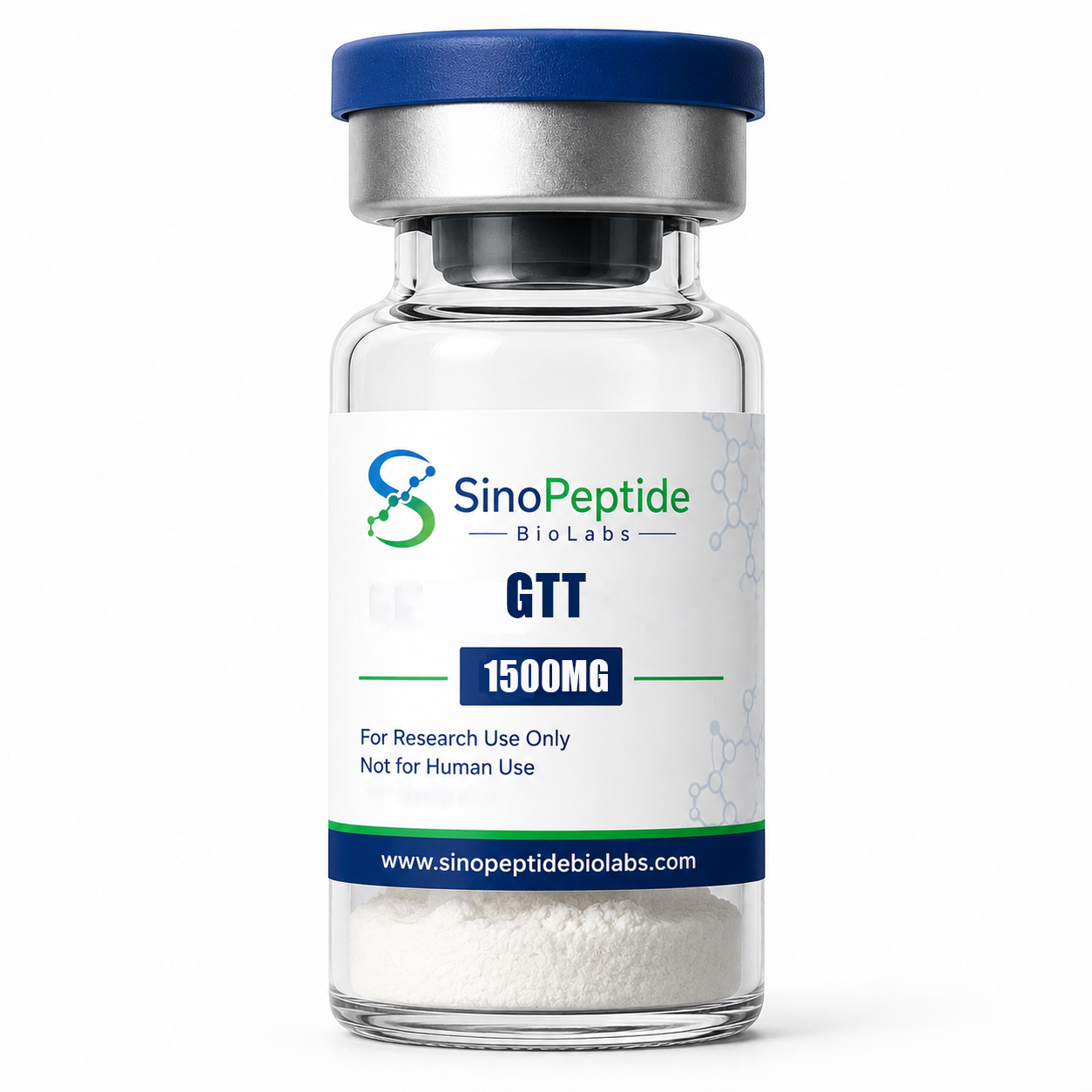
Glutathione 1500mg
$65.00
10Vials/ Kits
Glutathione 1500mg: Complete Guide to Glutathione, Benefits, Research, Quality, and Safety
Glutathione 1500mg is a high-quantity glutathione product specification that is commonly encountered in nutritional, cosmetic, pharmaceutical, and research contexts. Glutathione itself is a naturally occurring antioxidant molecule found throughout the body and consists of three amino acids: glutamate, cysteine, and glycine.
Because glutathione products are available in different formulations—including oral supplements, topical preparations, and compounded injectable products—the term “Glutathione 1500mg” does not by itself identify a specific dosage form, route of administration, formulation quality, or approved medical indication.
This distinction is particularly important for injectable products. In August 2026, the U.S. Food and Drug Administration (FDA) warned compounders not to use dietary-supplement-grade glutathione as an ingredient for injectable drugs after receiving reports of adverse events associated with compounded IV glutathione and concerns about elevated endotoxin levels.
This guide explains what glutathione is, what the 1500mg specification means, how glutathione functions biologically, its research applications, differences between formulations, quality considerations, current safety concerns, and common questions surrounding Glutathione 1500mg.
What Is Glutathione?
Glutathione, often abbreviated as GSH, is a naturally occurring tripeptide composed of:
- Glutamic acid
- Cysteine
- Glycine
It is present in cells and participates in several biological processes related to oxidative balance, cellular defense, and metabolism.
Unlike many conventional antioxidant compounds, glutathione is produced naturally by the body. Cells can synthesize glutathione from its constituent amino acids through enzymatic processes.
Glutathione exists primarily in two forms:
- Reduced glutathione (GSH)
- Oxidized glutathione (GSSG)
The relationship between these forms is important in cellular redox biology.
Reduced glutathione can participate in reactions involving reactive oxygen species and other oxidizing compounds. During these reactions, GSH can become oxidized to GSSG. Cellular enzymes then participate in maintaining the appropriate glutathione redox balance.
For this reason, glutathione is frequently studied in:
- Oxidative stress research
- Cellular biology
- Liver and metabolic research
- Pharmacology
- Dermatology
- Nutritional science
- Toxicology
- Redox biology
What Does Glutathione 1500mg Mean?
The term Glutathione 1500mg primarily identifies the stated quantity of glutathione associated with a particular product.
However, the meaning of “1500mg” depends on the formulation.
For example, a product could theoretically contain 1500mg of glutathione as a total quantity, while another product could use a concentration expressed in mg/mL.
Therefore, 1500mg should not automatically be interpreted as a dose, concentration, or recommended amount for human use.
A product label should be examined carefully to determine:
- Total glutathione quantity
- Glutathione chemical form
- Dosage form
- Concentration
- Intended route
- Excipients
- Manufacturer
- Lot number
- Expiration date
- Storage requirements
This is particularly important because oral supplements and injectable formulations have completely different quality and safety requirements.
Reduced Glutathione vs Oxidized Glutathione
Glutathione commonly exists in reduced and oxidized states.
Reduced Glutathione
Reduced glutathione, or GSH, is the form commonly discussed in antioxidant research and commercial glutathione products.
GSH contains a reactive sulfhydryl group that contributes to its role in redox reactions.
Oxidized Glutathione
Oxidized glutathione, or GSSG, forms when two glutathione molecules become linked through oxidation of their sulfhydryl groups.
The ratio between reduced and oxidized glutathione can be studied as an indicator of cellular redox conditions.
For a product marketed as Glutathione 1500mg, the exact chemical form should therefore be confirmed rather than inferred from the product name alone.
How Does Glutathione Work?
Glutathione participates in several biological pathways.
One of its best-known functions involves maintaining cellular redox balance.
Cells are constantly exposed to reactive molecules generated through normal metabolism and environmental factors. The body uses several antioxidant systems to manage these molecules.
Glutathione is one component of this complex antioxidant network.
Glutathione and Oxidative Stress
Oxidative stress occurs when the production of reactive molecules exceeds the body’s ability to neutralize or manage them.
Glutathione participates in enzymatic antioxidant systems that help maintain cellular homeostasis.
This does not mean that taking supplemental glutathione automatically prevents oxidative stress or treats a disease.
The biological role of a molecule and the clinical effect of administering that molecule are different scientific questions.
Glutathione and Glutathione Peroxidase
Glutathione works closely with enzymes such as glutathione peroxidase.
Glutathione peroxidase helps reduce certain reactive compounds, including hydrogen peroxide and lipid hydroperoxides.
During this process, reduced glutathione can be oxidized.
Other enzymes, including glutathione reductase, help regenerate reduced glutathione.
This creates an interconnected antioxidant system rather than a simple “antioxidant supplement” mechanism.
Glutathione and Cellular Defense
Glutathione is involved in several cellular processes beyond direct antioxidant activity.
Research has examined its role in:
- Redox regulation
- Detoxification pathways
- Cellular signaling
- Protein regulation
- Amino acid metabolism
- Oxidative stress
- Drug metabolism
Glutathione also participates in reactions involving glutathione S-transferases, a family of enzymes involved in the metabolism of various endogenous and exogenous compounds.
Glutathione 1500mg Research Applications
Glutathione is extensively studied in laboratory and clinical research.
Potential research areas include the following.
1. Oxidative Stress Research
Researchers investigate glutathione as part of the body’s antioxidant defense network.
Experimental models may examine changes in:
- GSH concentration
- GSSG concentration
- GSH/GSSG ratios
- Oxidative biomarkers
- Antioxidant enzyme activity
These measurements can help researchers understand changes in cellular redox status.
2. Liver Research
The liver is an important site of metabolism and detoxification, and glutathione is involved in several hepatic biochemical pathways.
Researchers study glutathione in relation to:
- Drug metabolism
- Oxidative stress
- Hepatic antioxidant systems
- Toxicology
- Environmental exposures
- Cellular protection mechanisms
However, the presence of glutathione in liver metabolism should not be interpreted as proof that a commercial glutathione product “detoxifies the liver” or treats liver disease.
3. Dermatology Research
Glutathione has received substantial attention in dermatological research because of its potential effects on melanogenesis.
Research has investigated whether glutathione can influence melanin production through several pathways.
Some studies have examined oral and topical glutathione preparations, while intravenous glutathione has also been promoted commercially for skin-lightening purposes.
However, evidence remains limited and formulation-dependent.
A systematic review found that the clinical evidence for glutathione’s effects on skin color remains uncertain, particularly because oral bioavailability and study designs vary.
4. Melanogenesis Research
One reason glutathione is frequently discussed in cosmetic research is its potential relationship with melanin synthesis.
Research has proposed several mechanisms through which glutathione may influence melanogenesis, including changes in oxidative pathways and interactions with melanin-related enzymes.
This has led to interest in glutathione in:
- Hyperpigmentation research
- Cosmetic science
- Melanin biology
- Dermatological research
- Skin pigmentation studies
However, marketing claims that glutathione produces permanent or guaranteed skin-lightening effects are not supported by sufficiently strong clinical evidence.
5. Nutritional Research
Glutathione has also been studied as a nutritional supplement.
Researchers have investigated whether oral glutathione supplementation can increase systemic glutathione availability.
Results have varied between studies.
Factors potentially affecting outcomes include:
- Formulation
- Dose
- Duration
- Absorption
- Individual metabolism
- Baseline glutathione status
A recent review likewise concluded that evidence surrounding glutathione supplementation and skin-lightening outcomes remains variable and that additional high-quality clinical research is needed.
Oral Glutathione vs Injectable Glutathione
One of the most important distinctions when discussing Glutathione 1500mg is the formulation.
Oral Glutathione
Oral glutathione is commonly available as:
- Capsules
- Tablets
- Powders
- Liquid supplements
Oral products are subject to nutritional supplement regulations that vary by jurisdiction.
Their absorption and bioavailability have been investigated in clinical research, but evidence is not completely consistent.
Injectable Glutathione
Injectable glutathione represents a substantially different category.
An injectable preparation must meet appropriate requirements for:
- Sterility
- Endotoxin control
- Identity
- Purity
- Manufacturing
- Container integrity
- Appropriate pharmaceutical-grade ingredients
A supplement-grade glutathione powder should not be assumed to be appropriate for injection.
This issue is particularly important because FDA issued a new warning on August 27, 2026, stating that dietary-supplement-grade glutathione is not an appropriate ingredient for making injectable drugs. The agency reported at least 30 patients experiencing adverse events following IV glutathione and noted concerns about elevated endotoxin levels in certain compounded products.
Current Safety Concerns With Injectable Glutathione
The current regulatory environment makes quality control especially important for injectable glutathione.
FDA has reported adverse events associated with compounded glutathione products and has also posted recalls involving compounded glutathione injections because of elevated bacterial endotoxin levels.
For example, in September 2026, FDA posted a recall involving compounded glutathione 200 mg/mL multidose vials because of elevated endotoxin levels.
Another August 2026 FDA-posted recall involved compounded glutathione 200 mg/mL multidose vials after pharmacy testing identified elevated bacterial endotoxin levels.
These reports do not mean that every glutathione product is contaminated.
They demonstrate why product-specific manufacturing quality and route-specific controls matter.
Why Endotoxin Testing Matters
Endotoxins are components associated with the outer membranes of certain Gram-negative bacteria.
They can produce serious inflammatory reactions when introduced into the bloodstream at excessive levels.
FDA’s earlier investigation into glutathione used in compounded sterile injections found excessive bacterial endotoxin in samples associated with reported adverse events. Reported symptoms included fever, chills, nausea, vomiting, hypotension, and other serious reactions.
Consequently, a Certificate of Analysis showing glutathione purity alone is not enough to establish that a material is appropriate for injection.
For sterile pharmaceutical applications, quality must encompass the entire manufacturing and release process.
How to Evaluate Glutathione 1500mg Product Quality
Whether evaluating glutathione for laboratory, nutritional, or pharmaceutical purposes, product documentation is important.
1. Product Identity
The documentation should clearly state the material’s identity.
This may include:
- Glutathione
- Reduced glutathione
- L-glutathione
- GSH
The precise chemical description should correspond with the actual material.
2. Purity
Analytical purity can be assessed through appropriate validated methods.
However, a high purity percentage does not automatically establish suitability for human use or injection.
3. Certificate of Analysis
A reliable COA should ideally include:
- Product name
- Batch or lot number
- Test date
- Test method
- Purity
- Identity
- Specification
- Results
- Laboratory/manufacturer information
4. Endotoxin Testing
For materials intended for sterile pharmaceutical manufacturing, endotoxin control is particularly important.
This should be supported by appropriate testing and manufacturing controls rather than inferred from ordinary supplement-grade purity testing.
5. Sterility
Sterility is a separate quality attribute from chemical purity.
A material can be chemically pure without being sterile.
Therefore, “99% pure glutathione” should never automatically be interpreted as “sterile injectable glutathione.”
Glutathione 1500mg and Skin Brightening Claims
Search interest around glutathione is strongly associated with skin tone and skin-lightening claims.
Glutathione has been investigated for its possible effects on melanogenesis, but clinical evidence remains limited.
A review of glutathione for skin lightening concluded that the evidence for intravenous glutathione was insufficient to establish efficacy and raised concerns about its safety.
A more recent review similarly noted that oral, topical, and IV formulations have different evidence profiles and that larger clinical studies are needed to establish long-term safety and standardized applications.
Therefore, an SEO product page should avoid claims such as:
- “Guaranteed skin whitening”
- “Permanent skin whitening”
- “Instant skin bleaching”
- “100% safe IV whitening”
- “Clinically proven permanent whitening”
These statements can overstate the evidence and create regulatory and consumer-safety problems.
Glutathione and Antioxidant Research
Antioxidant research is another major area associated with glutathione.
Researchers may examine glutathione alongside other antioxidant systems, including:
- Catalase
- Superoxide dismutase
- Glutathione peroxidase
- Vitamin C
- Vitamin E
- Thioredoxin
These systems interact rather than functioning independently.
Consequently, glutathione should be understood as one component of a broader biological network.
Glutathione 1500mg: Important Label Information
When reviewing a product labeled Glutathione 1500mg, consumers and researchers should look beyond the headline quantity.
Important questions include:
What form is it?
Is it reduced glutathione or another chemical form?
What is the dosage form?
Is it:
- Oral?
- Topical?
- Powder?
- Liquid?
- Compounded injectable?
What does 1500mg represent?
Is it the total amount per package, serving, container, or formulation?
What is the intended use?
A supplement product should not automatically be treated as a pharmaceutical ingredient.
Is there batch documentation?
A batch-specific COA is more informative than a generic marketing statement.
Glutathione 1500mg Storage Considerations
Storage requirements depend on the specific formulation.
Glutathione can be sensitive to environmental conditions, and manufacturers may specify particular requirements concerning:
- Temperature
- Moisture
- Light
- Oxygen exposure
- Container closure
- Reconstitution
- Shelf life
A general internet recommendation should not replace the manufacturer’s validated storage instructions.
For laboratory materials, the supplier’s technical documentation should be consulted.
For pharmaceutical products, the approved or product-specific labeling should take precedence.
Glutathione vs NAC
Glutathione and N-acetylcysteine (NAC) are often discussed together because cysteine availability is relevant to glutathione synthesis.
NAC is a precursor that can contribute to cysteine availability, while glutathione itself is the tripeptide produced from glutamate, cysteine, and glycine.
They are therefore chemically and pharmacologically different.
| Feature | Glutathione | NAC |
|---|---|---|
| Chemical type | Tripeptide | Cysteine derivative |
| Relationship | Endogenous antioxidant molecule | Glutathione precursor |
| Main research area | Redox biology | Cysteine/glutathione metabolism |
| Identical compounds? | No | No |
| Direct glutathione? | Yes | No |
This distinction is useful when developing educational SEO content around antioxidant research.
Common Misconceptions About Glutathione 1500mg
Myth 1: 1500mg is a universal glutathione dose
No. The 1500mg label does not establish a universally appropriate dose or route of administration.
Myth 2: All glutathione products are interchangeable
No. Oral, topical, research, and injectable formulations have different requirements.
Myth 3: High purity means injectable quality
No. Chemical purity does not establish sterility or acceptable endotoxin levels.
Myth 4: Glutathione guarantees skin whitening
Clinical evidence does not support a guarantee of permanent or predictable skin-lightening outcomes.
Myth 5: More glutathione always means better results
Biological systems are more complicated than simply increasing the quantity of a molecule.
Myth 6: Supplement-grade glutathione can be used for injection
FDA specifically warns against using dietary-supplement-grade glutathione as an ingredient in injectable drugs.
Frequently Asked Questions About Glutathione 1500mg
What is Glutathione 1500mg?
Glutathione 1500mg is a product specification indicating a stated quantity of glutathione. The exact meaning depends on the product’s formulation and labeling.
What is glutathione?
Glutathione is a naturally occurring tripeptide made from glutamate, cysteine, and glycine. It plays important roles in cellular redox balance and antioxidant systems.
What does 1500mg mean?
It identifies the stated amount of glutathione associated with the product. It should not automatically be interpreted as a recommended human dose.
Is glutathione an antioxidant?
Glutathione participates in the body’s antioxidant and redox systems. It works together with enzymes and other cellular defense mechanisms.
Is Glutathione 1500mg injectable?
The product name alone cannot establish this. A specific product’s dosage form and labeling must be checked.
Is injectable glutathione safe?
Safety depends on the specific formulation, manufacturing process, quality controls, route, patient factors, and clinical circumstances. FDA has recently reported serious concerns involving some compounded injectable glutathione products, including elevated endotoxin levels.
Does glutathione lighten skin?
Glutathione has been studied for effects on pigmentation, but clinical evidence remains limited and inconsistent. Injectable glutathione in particular raises significant safety concerns.
What is reduced glutathione?
Reduced glutathione is commonly abbreviated GSH and represents the reduced form of the glutathione redox couple.
How should glutathione product quality be evaluated?
Relevant factors include identity, purity, batch traceability, appropriate analytical testing, manufacturing standards, and—where applicable—sterility and endotoxin controls.
Can supplement-grade glutathione be used to make injectable products?
FDA specifically advises against using dietary-supplement-grade glutathione to compound injectable drugs because such ingredients may contain impurities or contaminants, including endotoxins.
Research and Product-Information Disclaimer
This article is provided for educational and research-information purposes. It does not establish that any particular Glutathione 1500mg product is safe, effective, sterile, or appropriate for human administration.
Glutathione products vary substantially by formulation, manufacturer, jurisdiction, and intended use.
Claims regarding disease treatment, intravenous administration, cosmetic skin lightening, detoxification, or other therapeutic outcomes should be evaluated using appropriate clinical and regulatory evidence.
For injectable products, qualified healthcare professionals and appropriately regulated pharmaceutical facilities should be involved. Product-specific labeling and applicable regulations should always take precedence over generalized online information.
Conclusion
Glutathione 1500mg refers to a stated quantity of glutathione, a naturally occurring tripeptide involved in cellular redox regulation and antioxidant defense.
Its scientific importance extends across oxidative-stress research, metabolism, toxicology, liver research, nutritional science, dermatology, and cellular biology.
However, the term “Glutathione 1500mg” alone does not identify a particular formulation or establish a clinical dose. Oral supplements, topical products, laboratory materials, and injectable preparations have substantially different quality and safety requirements.
This distinction is particularly important in 2026 because FDA has issued recent warnings concerning the use of dietary-supplement-grade glutathione in injectable drugs and has posted recalls involving certain compounded glutathione products with elevated endotoxin levels.
For consumers, researchers, and healthcare professionals, the most useful approach is therefore to evaluate the complete product specification rather than relying solely on the 1500mg label.
Important quality considerations include the precise chemical form, product identity, purity, batch documentation, intended route, manufacturing standards, and—where applicable—sterility and endotoxin controls.
From an SEO perspective, accurate explanations of these distinctions can make a Glutathione 1500mg page substantially more authoritative than content built around unsupported claims such as guaranteed detoxification, permanent skin whitening, or universal therapeutic benefits.
Glutathione 1500mg Glutathione 1500mg Glutathione 1500mg Glutathione 1500mg Glutathione 1500mg Glutathione 1500mg Glutathione 1500mg Glutathione 1500mg Glutathione 1500mg Glutathione 1500mg Glutathione 1500mg Glutathione 1500mg Glutathione 1500mg Glutathione 1500mg Glutathione 1500mg Glutathione 1500mg
Be the first to review “Glutathione 1500mg”
Related products
Pure Peptides
Pure Peptides
Pure Peptides
Pure Peptides
Pure Peptides
Pure Peptides
Pure Peptides
Pure Peptides
Reviews
There are no reviews yet.